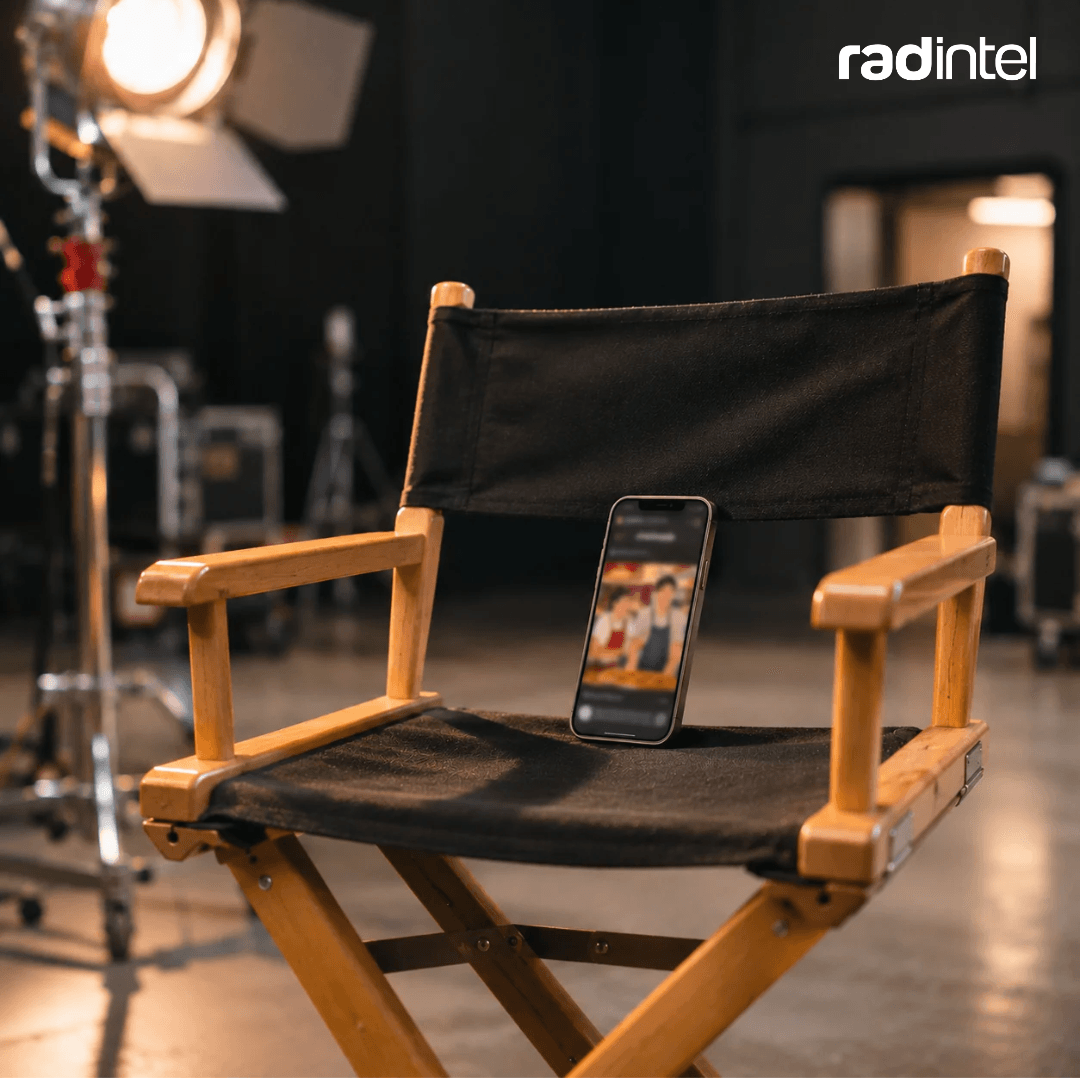

Netflix released the first 14 episodes of Minimum Wage, a workplace comedy about teenagers trying to run a local pizza shop, on October 26.
Seven performers from American High Shorts, a digital comedy channel, developed the original sketches and began publishing them on YouTube, TikTok, and Instagram in May 2024.
Those videos generated more than 30 million views. Netflix subsequently ordered 28 episodes featuring the original cast, turning a successful social series into a professionally produced show for its global streaming audience.
The deal shows how Hollywood's talent pipeline is changing. Comedy creators can now develop characters, test formats, and build audiences without waiting for a studio to approve a pilot. Once a show demonstrates that people want to watch it, companies like Netflix can provide the production budget and distribution needed to take it further.
Studios used to decide which new comedy talent got a shot. Now, creators can build an audience on social media before Hollywood ever gets involved.
From Social Sketches to Netflix
American High Shorts, a digital comedy channel whose videos have received billions of views, won a 2025 Webby People's Voice Award for social comedy. The Minimum Wage sketches used the quick pacing and improvisational style that performs well on social platforms.
Netflix retained the original ensemble when it expanded the concept into a longer series. American High produces the show, with founder Jeremy Garelick and president Will Phelps serving as showrunners. The creators remained closely involved in production. According to Press Publish, cast members pitched episode ideas, wrote scripts, and directed one another. Grace Reiter, one of the original performers, has since joined Saturday Night Live.
The format and its appeal were already established before Netflix got involved, giving the studio a foundation to build on rather than starting from scratch.
How Social Media is Changing Hollywood's Talent Pipeline
For decades, networks and studios decided which performers and ideas reached the public. A pilot might be commissioned, tested, and abandoned before most viewers ever saw it. Social platforms have opened that process.
Creators can publish a character, sketch, or series immediately. Audience response shows which ideas people want to watch again, which performers they connect with, and which formats can sustain attention.
In August 2026, YouTube accounted for a record 15.8 percent of all television viewing in the United States, compared with 7.7 percent for Netflix, according to Nielsen. That made it the largest individual streaming platform measured that month.
Creators are already competing with established entertainment companies for the same hours of attention, and Hollywood is taking notice. Shane Gillis self-financed the first season of Tires before Netflix acquired the comedy. Benito Skinner built an audience through characters published online before creating, writing, and starring in Overcompensating, which reached No. 1 on Prime Video within days of its 2025 release. Both creators had already built an audience by the time major streaming platforms came calling.
Money is Following the Attention
Brands are making similar bets on creators who've already built an audience. U.S. creator advertising spending is expected to reach $44 billion in 2026, up from $13.9 billion in 2021, according to the IAB. Brands increasingly treat creators as a permanent part of their media strategies rather than an experimental channel.
Creators are also moving beyond sponsorships. Cat Goetze, known online as CatGPT, recently took an ownership stake in her management company, Smooth Media, and Alix Earle took an equity stake in Poppi before PepsiCo agreed to acquire the brand. Brands are finding that a creator's value extends beyond the post to product ideas, customer insight, and a direct line to a community that trusts them.
Much of today's culture takes shape within communities organized around shared interests, where trust plays a major role in shaping influence. Creators often become the most visible and credible people inside those communities.
What Marketers Should Take From This
Minimum Wage shows what audience evidence looks like when it exists before the investment decision. By the time Netflix ordered 28 episodes, the show had more than 30 million views, a cast people followed, and a format that held attention.
Studios used to pay for pilots to find out what audiences wanted. Social made the pilot public, and audiences delivered their verdict first. Brands can apply the same discipline by looking at what an audience responds to before committing the budget.
That’s the kind of signal we focus on at RAD Intel. Which ideas people return to, which personalities they follow, and what holds their attention say more about where to invest than reach alone. As creators become partners, advisers, and owners, the cost of choosing wrongly rises, and brands need to read those signals before they spend.
Hollywood will still play a major role in bringing shows like Minimum Wage to larger audiences. But more of those shows may start with creators who’ve already built a following on their own, and with audiences that have already voted.