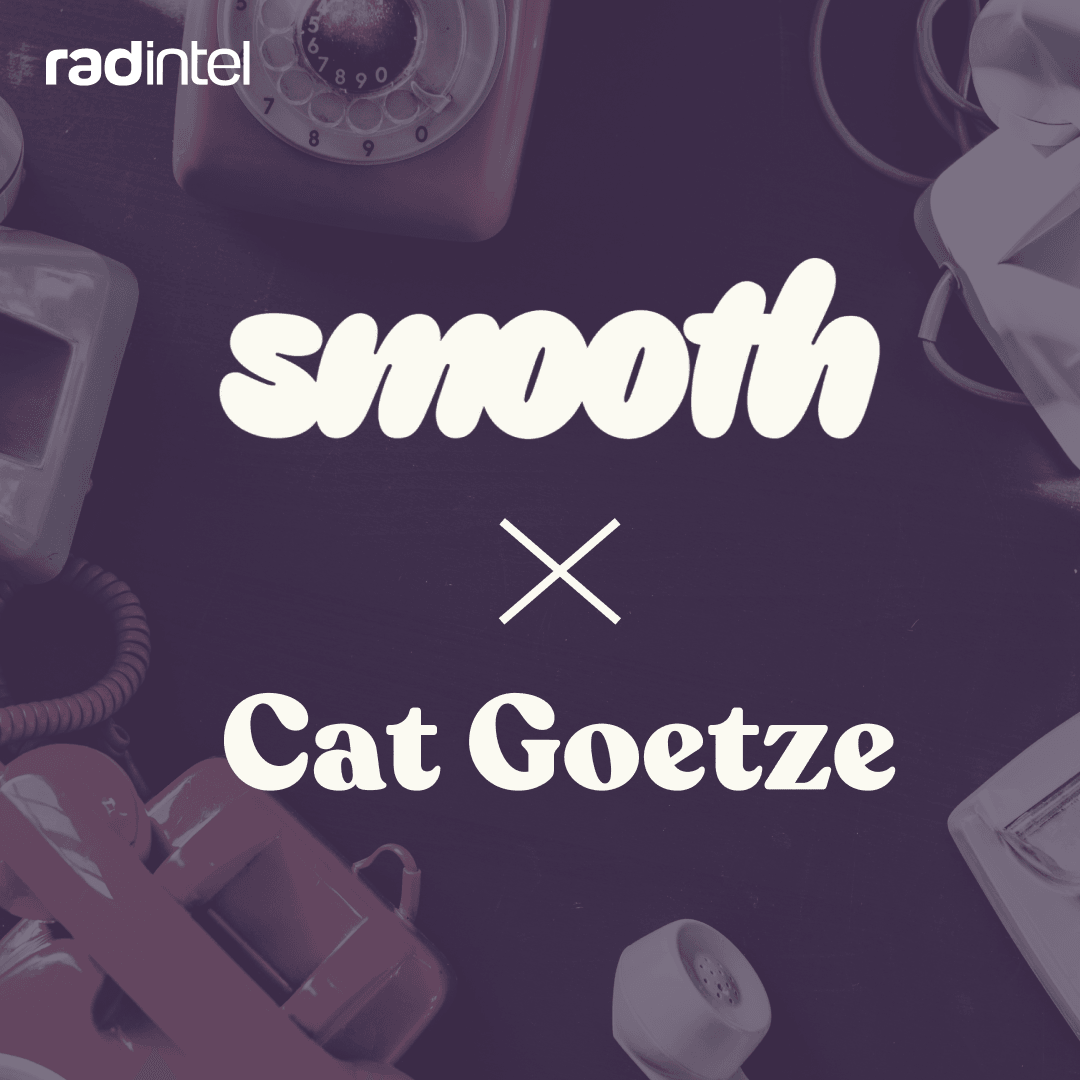

Creator Cat Goetze, known online as CatGPT, took an ownership stake in creator management company Smooth Media, becoming its first outside shareholder. Goetze also joined the company as a strategic adviser, where she'll work with its founders on new services, branding, technology and the company's management business.
Smooth already represents Goetze and more than 70 other creators, but her ownership stake means both sides now have a financial interest in what the company becomes.
She isn't the only creator moving in that direction. Lifestyle creator Alix Earle took an equity stake in Poppi before PepsiCo agreed to acquire the brand, and a growing number of creators are building products, investing in companies and negotiating for ownership rather than earning only from individual sponsorships.
Creator Partnerships Are Expanding Beyond Reach
Brands have traditionally paid creators for access to an audience. The creator makes the content, the campaign runs and the relationship may end once the deliverables are finished.
That model is expanding as creators build businesses around the audiences they've developed. Goetze has more than 1.4 million followers across Instagram and TikTok, but her business now includes products and a new creator-first product studio called Cat Labs. Her Physical Phones line has already passed $1 million in sales. Her business generates roughly $3 in brand partnership revenue for every $1 in product revenue, with money reinvested in product R&D.
Smooth co-founder Jenny Rothenberg framed the Goetze deal as a departure from the norm. Most creator equity deals, she said, are struck for distribution and brand. Smooth wanted Goetze "way more" for her brain and perspective.
As creators become more involved in the businesses they work with, their value can extend beyond distribution. They can bring product ideas, customer feedback, industry knowledge and a direct relationship with a specific community.
Choosing a Creator Now Looks More Like Due Diligence
Smooth says most of its business still comes from brand partnerships, but those relationships are already widening into events, speaking and consulting. The company has grown from nine employees in 2024 to 35, and says revenue has increased 2.5 times year over year since 2024.
But the deeper the relationship, the harder a bad fit can be to undo. A sponsored campaign has a defined endpoint. Equity stakes, advisory roles and multiyear product collaborations create commitments that can last well beyond one campaign.
At that level of commitment, creator evaluation looks more like business due diligence. Brands need to understand more than audience size before deciding which relationships deserve a larger commitment.
Longer-Term Partnerships Require Better Creator Intelligence
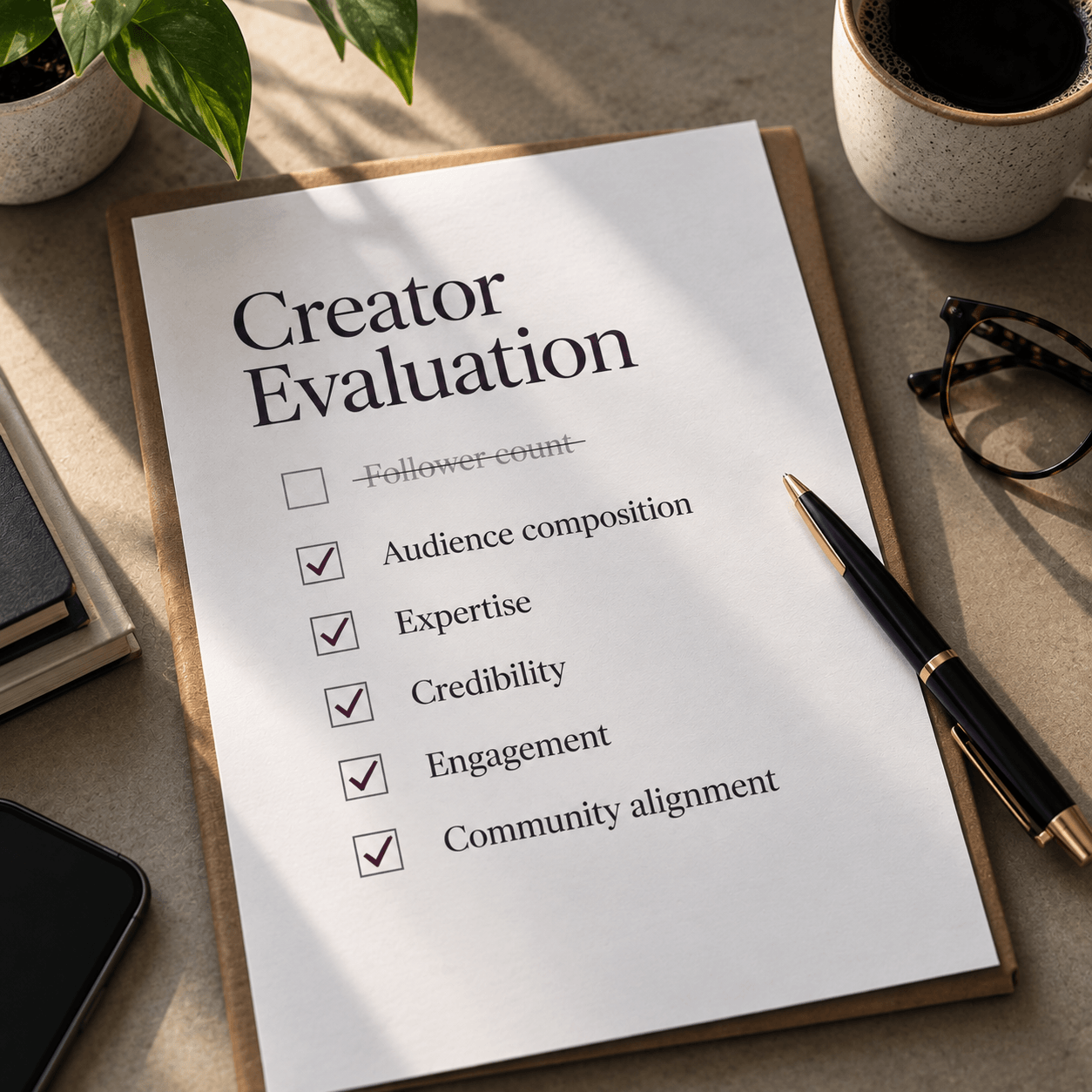
Audience composition, expertise, credibility, engagement and community alignment become more consequential when a creator could become an adviser, product collaborator or owner.
A creator may be a good fit for one campaign without being the right fit for a longer-term role.
That also changes the role of creator intelligence. Lickly, for example, weighs creators on audience alignment, expertise and engagement rather than follower count alone. Those inputs can help marketers decide who fits a campaign and which relationships may be worth deepening.
Goetze becoming an owner of the company that represents her is one deal, but it reflects a broader change in creator economics. Sponsorships are increasingly one part of relationships that can extend into products, events, consulting, advisory roles and ownership.
For brands and agencies, that raises the stakes of creator selection. With more permanent relationships, brands need to understand who a creator reaches, what they’re trusted for and what they can contribute beyond the post.