
During this year's primary race for California governor, billionaire Tom Steyer's campaign paid dozens of online creators to post in his support, in some cases six-figure sums. Many of those posts went up with no sign that money had changed hands, and the posts drew complaints to the state's campaign watchdog.
Under the rules at the time, though, the creators who left the disclosure off faced little real consequence. Assembly Bill 1130 changes that.
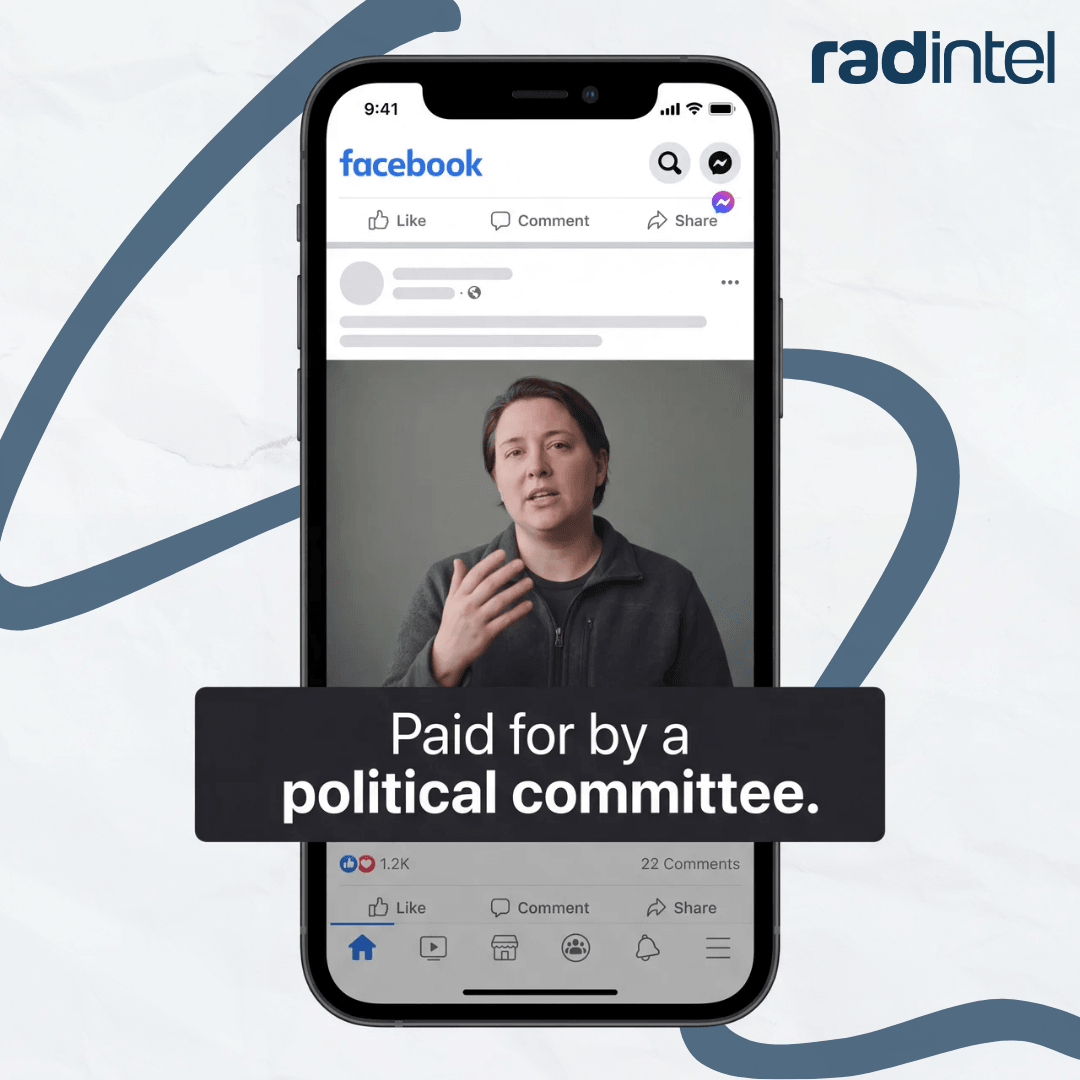
Governor Gavin Newsom signed the bill on September 19. Creators who are paid by a political committee and fail to disclose it can now face fines of up to $5,000 per violation, and cases can be referred to law enforcement as potential misdemeanors.
The law covers content paid for by a political committee that supports or opposes a candidate or ballot measure in California's state and local elections. Creators sharing their own political views without being paid by a committee aren't subject to the requirement. If the required disclosure is missing, the creator and the committee that paid them can both be held responsible.
What California’s AB 1130 Changes
California already required disclosures on paid political posts before AB 1130. A 2023 law required people paid by political committees to disclose that relationship when posting content supporting or opposing a candidate or ballot measure. What it lacked was the same enforcement mechanism available for other violations of the Political Reform Act.
The state's campaign watchdog could seek a court order requiring someone to add a disclosure, but the creator was generally exempt from the administrative, civil, and criminal penalties available under the Political Reform Act.
That process could take months. By then, the post may have already reached its audience and the election may have ended. AB 1130 removes that exemption, so the Fair Political Practices Commission can now impose those penalties rather than relying only on a court order.
The disclosure must appear when the content is published and it has to be readable to an average viewer or clearly audible if the content is in an audio format.
The law provides a model statement: "The author was paid by [name of committee and committee identification number] in connection with this posting."
Campaigns were already required to tell creators about the disclosure requirement. Now they must also warn creators that leaving it out can lead to penalties, and identify the expense as payment for a paid third-party post in their campaign reports.
Political Advertising Is Moving Into Creator Feeds
Campaigns are using creators for many of the same reasons brands do. Creators have established audiences, recognizable voices, and credibility within specific communities.
A political message delivered by a familiar creator can look very different from a television commercial or a promoted post from a campaign account. It may appear alongside videos about food, fashion, sports, or someone's daily life. Without a disclosure, the person watching may have no idea the creator was paid to post it.
California’s law brings paid political creator content closer to the disclosure standards applied to traditional campaign advertising, while putting more responsibility on the creators, campaigns and agencies producing it. The format may feel more personal, but the financial relationship now has to be visible.
What AB 1130 Means for Creators and Campaigns
For creators and campaigns, AB 1130 turns disclosure from a publishing detail into a compliance requirement with financial consequences.
For creators, disclosure now needs to be treated as part of producing the content. Before accepting political work, creators should know which committee is paying them, what language must appear in the post, and where the disclosure needs to be placed. They should also keep copies of their contracts, payment records, and published posts.
A vague hashtag or a disclosure buried at the bottom of a long caption may create unnecessary risk when the law already provides clear wording.
Campaigns and agencies need a similar process. Contracts should explain the requirement, and every post should be checked before and after publication. That becomes especially important when content is edited, reposted, or published across several platforms.
For users, the law should make the source of paid political messages easier to identify.
A disclosure doesn’t say whether a political claim is accurate or whether the creator personally agrees with it. It provides one important piece of context: the creator was paid by a political committee to publish the message.
Political Influencer Disclosure Rules Are Expanding
California and Texas now require disclosures on paid political creator content. New York lawmakers have considered similar legislation.
There’s currently no federal disclosure requirement. Senator Adam Schiff introduced the Promoting Authenticity with Influencer Disclaimer Act, also called the PAID Act, on July 27. The bill would establish a federal disclosure requirement for certain communications purchased by political committees. It remains with the Senate Committee on Rules and Administration.
Paid political content is already part of creator feeds. California’s new law makes it easier for users to see who paid for it.