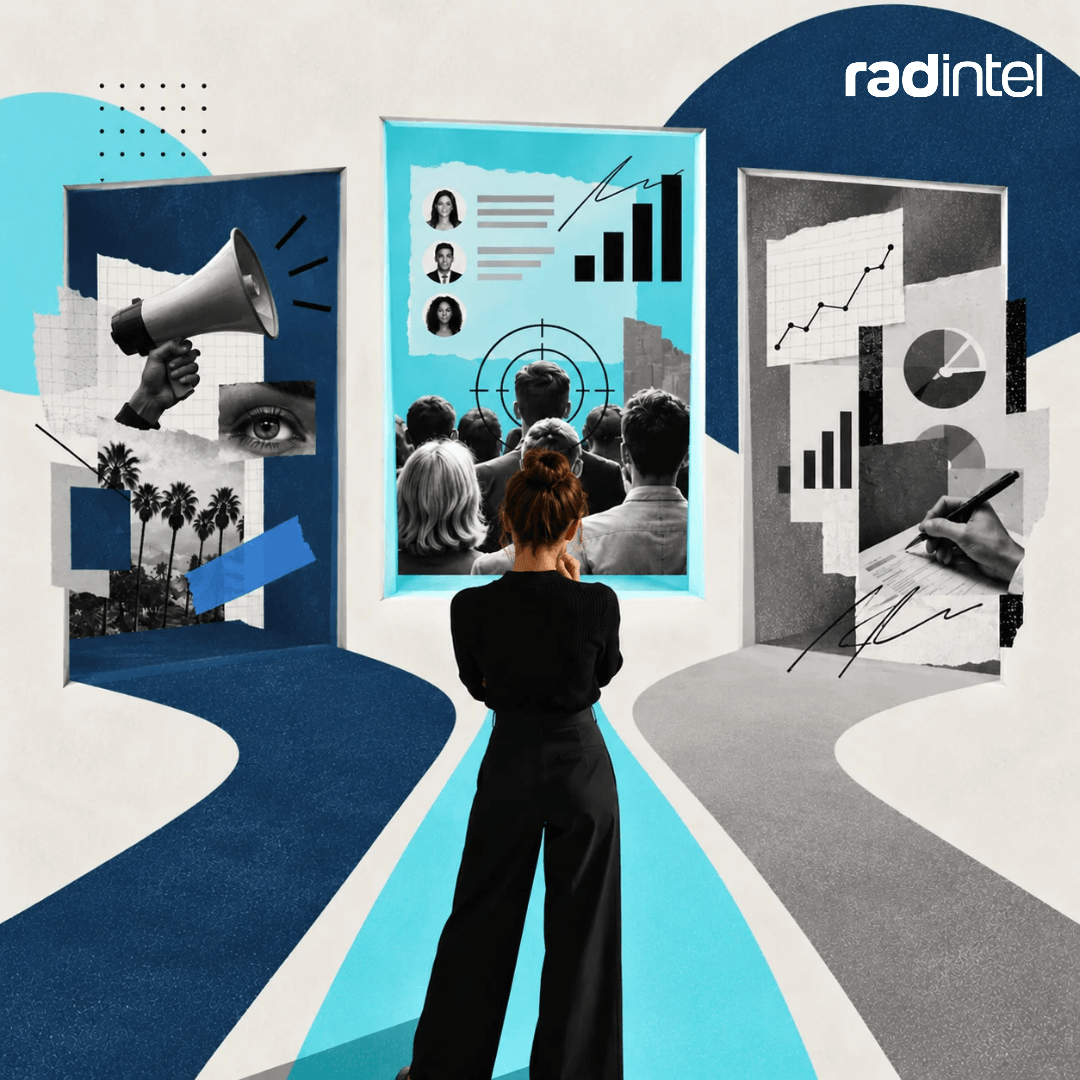

Using the most powerful AI model for every task is like using a flamethrower to light a candle. It works, but the power and money you burn have little to do with the problem you're solving.
That was easy to ignore during the first phase of enterprise AI. Companies handed employees the best models they could buy and told them to experiment. The point was to figure out what the technology could do, not to optimize every dollar spent.
Now the bills are getting bigger. Companies need to move from simply giving people AI access to helping them choose models based on the complexity, risk and value of the task.
Match AI Model Capability to the Task
Model selection usually starts with a practical rule: use the least expensive model that can handle the task reliably.
Every major AI provider now sells its models in tiers, and the ladder looks roughly the same whether you're buying from OpenAI, Google or Anthropic. At the bottom are small, fast models built for repetitive work like classification, extraction, tagging and summaries. In the middle are the everyday workhorses that handle most writing, coding, research and analysis. Above those sit reasoning-heavy models that earn their keep on complex problems. At the top are frontier models built for demanding, long-running agentic work, where top-end capability may justify top-end cost.
The price gaps between those tiers are big. Take Anthropic's lineup as of September 2026: output from Fable 5.1, its most capable generally available model for coding and knowledge work, costs ten times as much as output from Haiku 4.5, its fastest and most cost-efficient model.
That premium might be worth it when a model is analyzing a major strategic decision, navigating a complex codebase or finishing a valuable multistep workflow. It's a lot harder to justify when the job is cleaning up a spreadsheet column or summarizing meeting notes.
How to Decide Which AI Model to Use
Companies have spent the last couple of years teaching employees how to prompt. But model selection usually hasn’t been part of that training. That's the next skill to build.
Choosing an AI model can start with three questions: How complex is the task? What happens if the answer is wrong? Does a more capable model produce enough additional value to justify its higher cost?
This isn't about turning employees into token accountants. Companies should provide simple guidance and sensible defaults. Routine work should go to faster, cheaper models. Premium models should be saved for when complexity, uncertainty or risk makes the extra capability worth paying for.
It won't always be as simple as picking a name from a dropdown, either. Many enterprise tools now route requests between models automatically, and some providers let you dial a single model's reasoning effort up or down. Those are useful defaults, but someone still has to decide what the company is optimizing for.
Measure AI Costs by Results
Companies should be looking at whether their AI spending matches the value they're getting from it, and raw token counts can't tell them that. A better measure is cost per accepted deliverable, completed workflow or resolved customer issue. That math should include the time people spend checking and fixing the output.
List prices don't tell the whole story either. Features like prompt caching and batch processing can shrink the real gap between tiers, especially on long agentic runs that reread the same context over and over. Anthropic, for example, cut cache-read pricing by 75% when it released Fable 5.1.
A cheap answer that needs a lot of repair can cost more than a strong answer from a premium model. But paying premium prices for routine work doesn't create premium value.
AI maturity comes down to whether a company can consistently pick the right amount of intelligence for the job, rather than defaulting to the most powerful model available.