
More of a campaign now runs without a marketer approving each move. Systems recommend audiences, adjust targeting, shift spend, and optimize placements on their own, against whatever target they've been handed.
That shifts the pressure onto measurement. When fewer decisions happen by hand, the only real check on an automated campaign is the quality of the signal marketers feed back into it. Nielsen's planned $2.15 billion acquisition of DoubleVerify is one indication of where the advertising industry is heading. Nielsen has traditionally focused on understanding who media reaches, while DoubleVerify verifies areas such as viewability, invalid traffic, brand suitability, and campaign performance.
Nielsen says bringing those capabilities together will support advertising as AI plays a larger role in planning, activation, and optimization. For marketers, the combination points to a practical challenge.
Automation Needs a Feedback Loop
Marketing platforms already make thousands of decisions that most teams would never handle individually. They adjust bids, choose placements, test creative variations, and decide which users are most likely to respond based on the information available to them.
AI can take that further by connecting more of those decisions. A system might promote whichever creative variant is winning early and silently retire the rest. It might steer bids toward the placements and times of day where conversions come cheapest.
Those decisions can help teams move faster, but the system still needs a clear definition of what it’s trying to improve. A campaign optimized for clicks may become very good at finding people who click frequently, even if those people aren’t the audience the brand originally wanted to reach.
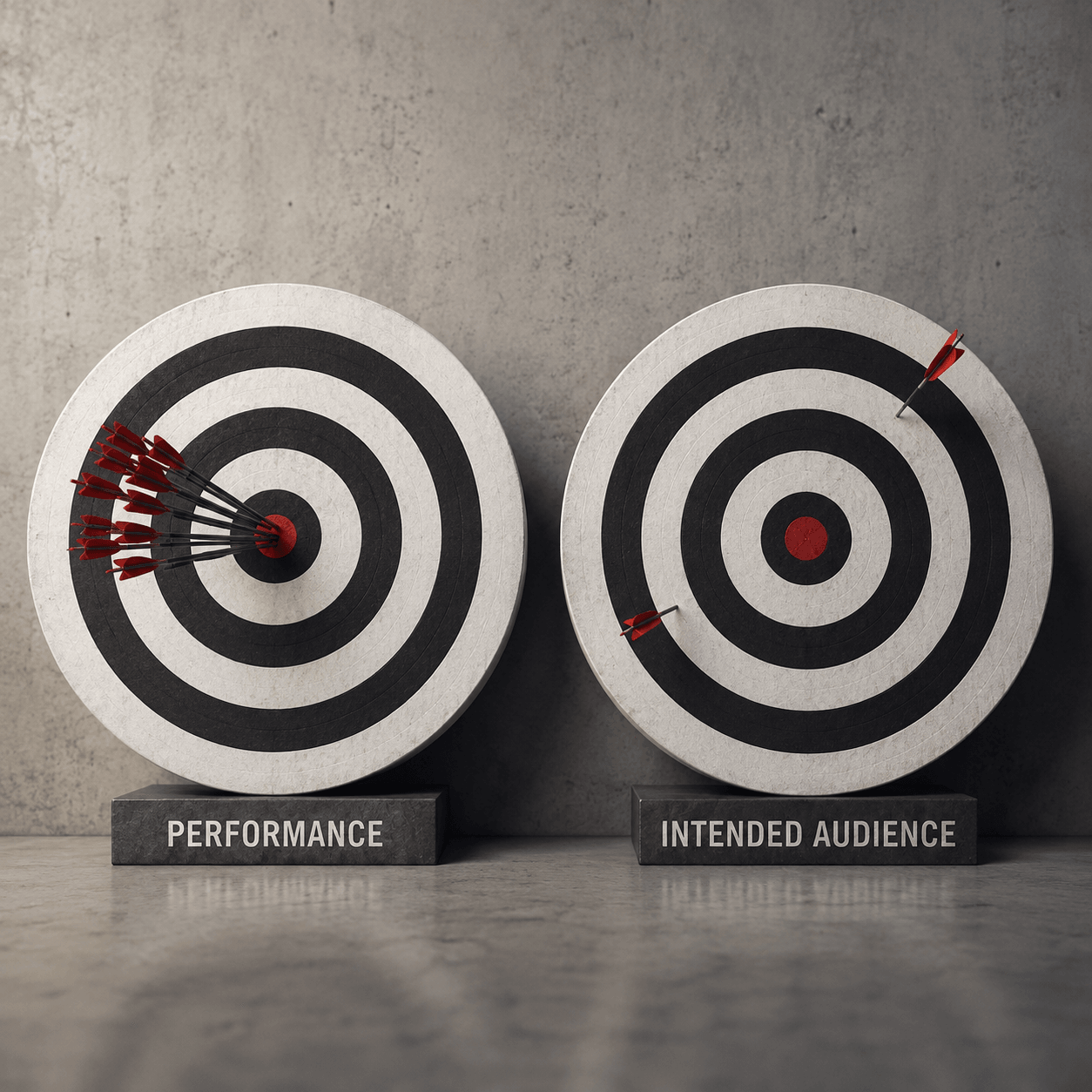
That creates a gap between improving a metric and improving the campaign. The feedback going into the system needs to reflect the result marketers actually care about, not simply the result that is easiest for a platform to measure.
Reach Needs More Context
The Nielsen and DoubleVerify deal is interesting because it brings different parts of campaign measurement closer together. Nielsen provides information about audiences and media consumption, while DoubleVerify focuses on areas such as media quality, brand suitability, fraud, and whether an advertisement had the opportunity to be seen.
Combining those types of information can provide a clearer picture of what happened during a campaign. An ad might technically reach a large number of people and appear in suitable environments, but marketers still need to understand whether it reached the people the campaign was intended to influence.
As AI makes more decisions based on campaign performance, understanding the audience behind those numbers becomes more important.
Audience Data Adds Context
Audience intelligence can add another layer to campaign measurement by showing who sits behind the performance numbers. For example, RAD Intel's platform identified Performance Growth Executives as a high-value audience for Adobe. This group showed strong interest in marketing attribution, revenue measurement, performance analytics, and return on advertising spend. A campaign could generate efficient clicks without necessarily reaching the decision-makers actively evaluating those capabilities.
That information can shape a campaign before any budget is spent. A brand might discover that its target audience follows a different group of creators than expected or that the topics earning attention are different from the ones appearing in the original campaign brief. Those findings give marketers better inputs before AI begins recommending audiences, creators, or placements.
The same information becomes useful once the campaign is running. Performance data might show that one creator generated more engagement or one audience segment produced cheaper clicks. Audience intelligence can help determine whether those results are coming from the people the brand actually wanted to influence.
Instead of only asking whether the system improved performance, marketers can look at whether it improved performance with the audience that mattered to the campaign.
Better Metrics Create Better Decisions
Marketing teams have access to more performance data than ever, but more numbers don’t always make the answer clearer. An automated campaign might report lower costs, higher click rates, or more impressions while moving further away from the audience the brand originally wanted to reach.
This is why teams need to define success before giving AI more control over campaign decisions. If the goal is reaching a specific buyer, building credibility with a particular community, or finding creators who already influence an audience, the measurement should reflect that goal.
Clearer goals also give AI better information to work with. A system that knows which audience matters and which outcome the team values can make decisions within those parameters rather than simply chasing whichever metric improves fastest.
Measurement Keeps Automation Accountable
Nielsen's acquisition of DoubleVerify comes as advertising platforms are automating more of the work involved in planning and optimizing campaigns. Bringing audience measurement, media quality, and campaign outcomes closer together reflects how much information marketers now need to understand what happened after automated decisions were made.
As AI takes on more campaign decisions, measurement becomes part of how marketers keep those systems focused on the right outcome. The technology can decide how to optimize within a campaign, while marketers remain responsible for defining what the campaign should accomplish and whether the results were actually worth repeating.