
There’s a specific kind of expensive that nobody budgets for.
It’s not the creator fee that came in over rate. It’s not the paid amplification that didn’t convert. It’s not even the campaign that flatlined and had to be explained in a recap that sales was afraid to open.
It’s the moment when a highly activated audience decides you don’t belong and starts to get loud about it. That’s the cost most brands aren’t accounting for, and it shows up after the fact in postmortems. Live moments like the PGA Championship are where those gaps surface most visibly, most publicly, and most permanently.
We’ll be there this year as a sponsor, hosting clients, investors, and the RAD team. It’s a big moment for us. It’s also a useful one to study, because live moments change how people behave. Behavior shifts fast, and the audience becomes the show.
Bigger Reach Doesn’t Mean Easier Fit
Here’s what most event strategies miss.
When a major moment arrives, whether it’s a tournament, a cultural event, or a seasonal peak, the assumption is that the audience is bigger and therefore more valuable to reach. More eyeballs. More opportunity. More reason to spend.
That’s true. It’s also only half the picture.
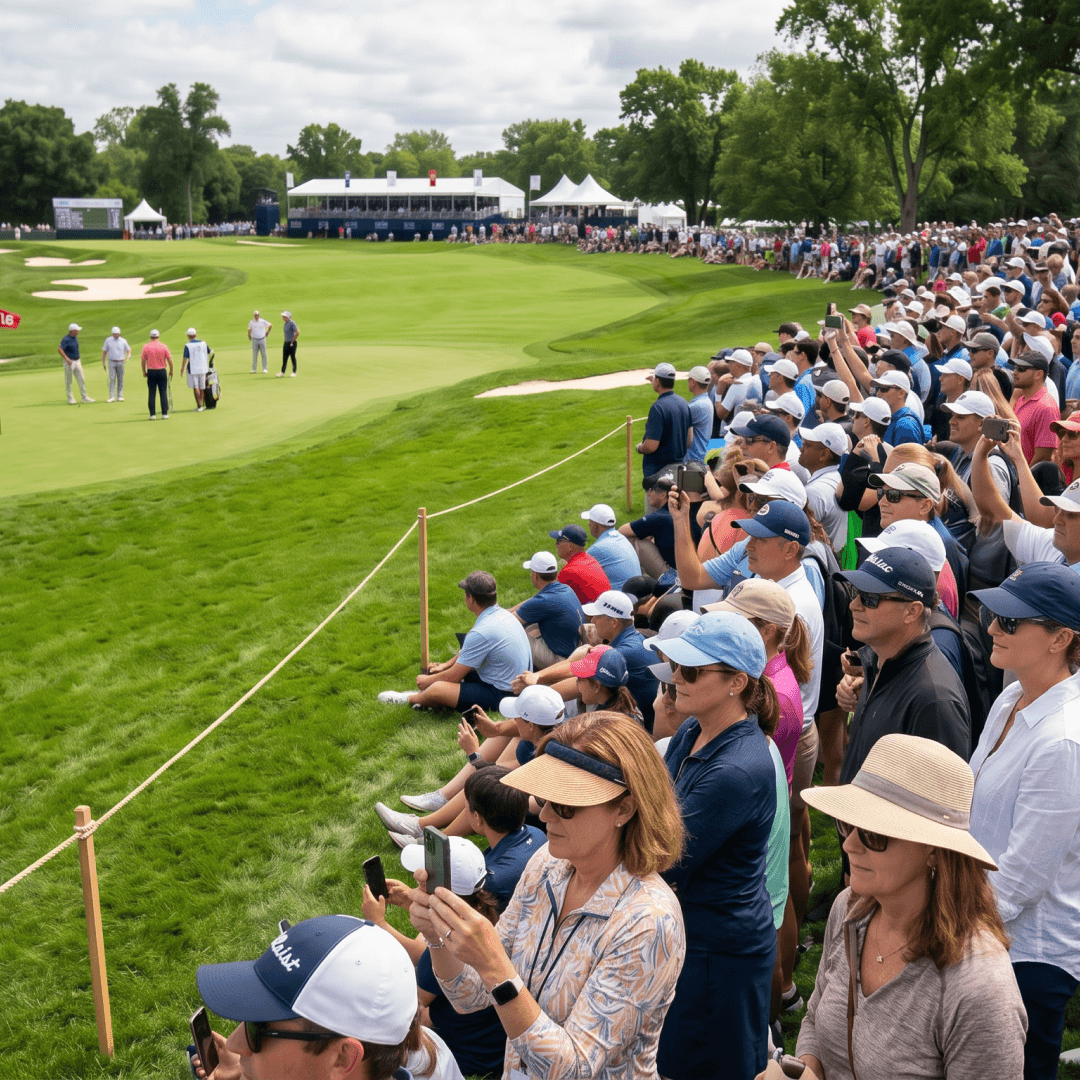
What also happens is that the community becomes more activated and more selective at the same time. The people who care about golf aren’t casually scrolling during tournament week. They’re deep in it. They know the equipment, the players, the creators, and who actually belongs in that world.
They can tell when something feels off because a community at peak activation has its filters fully on. Reach goes up. The cost of getting the fit wrong goes up with it.
A misaligned partnership that might produce mild indifference in a normal week creates visible friction during a moment like this. In comments, in tone, in the way the audience responds without needing to say it directly. The signal shows up in real time. Most teams ignore it.
Credibility Shows Up in Small Decisions
The flip side is where this gets interesting. A brand that shows up already aligned with how the community thinks doesn’t have to force anything.
The content moves more easily. The creator doesn’t have to explain why the partnership makes sense. The audience doesn’t have to convince itself to care. It feels obvious. This is built through a series of small decisions.
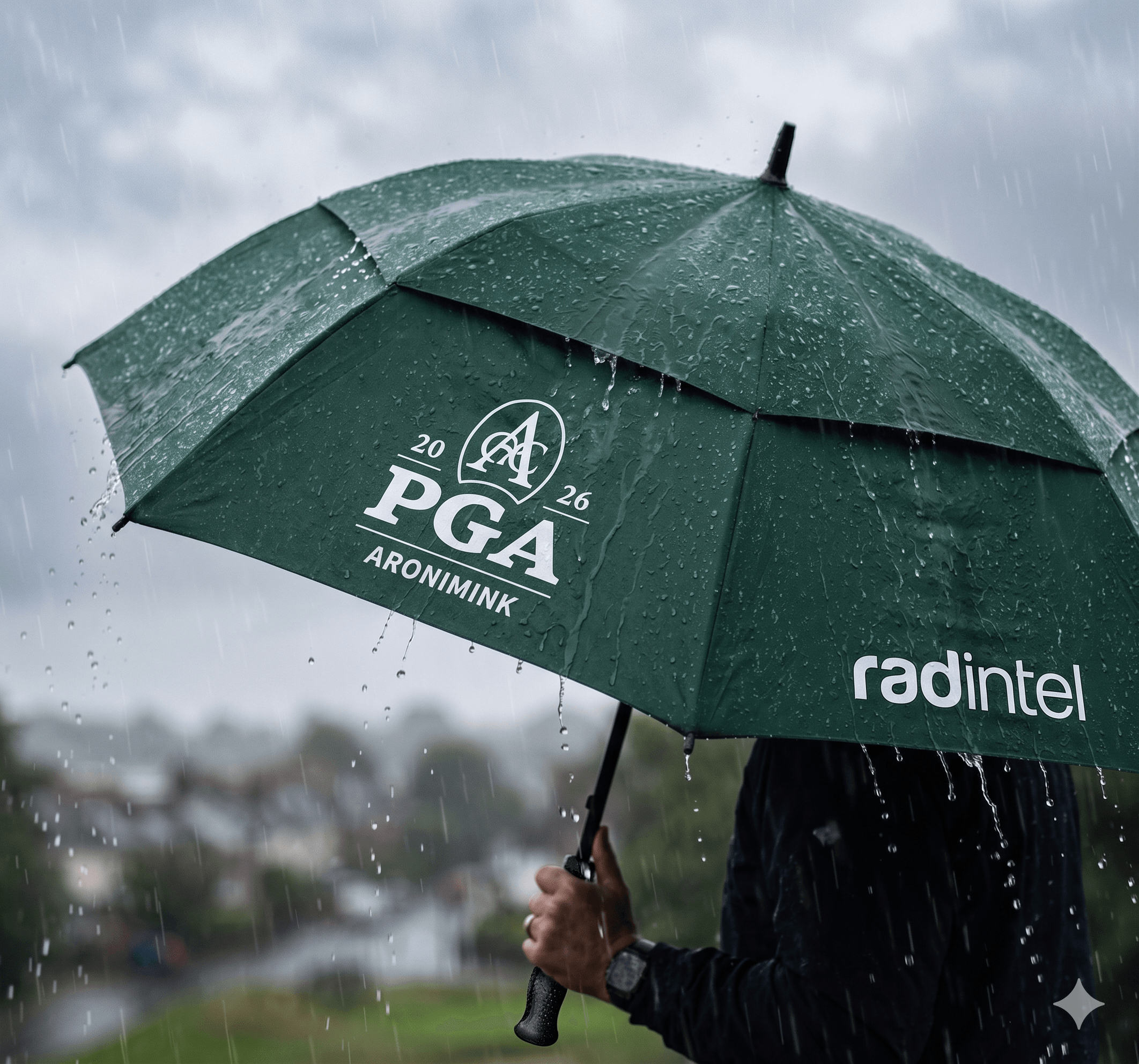
We bought umbrellas to give out during the week. Not as a flashy activation, but because Philadelphia weather is unpredictable and the audience will feel it immediately. That’s a small example, but it reflects a bigger idea: understanding the environment the audience is actually in, not the one you planned for.
That same logic runs through how our platform reads golf audiences specifically. Golf isn't one community. It's a set of overlapping ones with very different behavior patterns. The audience that quietly saves equipment content and never comments is a completely different group from the one posting bag setups and tagging the brand. Both have value. Neither responds to the same thing.
During a high-activation week, mistakes don’t go unnoticed. The community reads them as a lack of understanding.
RAD Intel reads those behavioral differences. That's what Return on Intelligence actually looks like in practice. Not after the campaign, when it shows up in your metrics, but before the spend goes out, when it can still change the decision.
The Window Isn’t During the Event
The decisions that determine whether a brand shows up with credibility get made weeks earlier—when the audience is defined, creator partners are selected, and assumptions get locked in.
If those decisions are made with incomplete understanding, the event just makes the gap visible. At higher cost. In front of a more activated, more discerning audience than you'll face at any other point in the year.
That's what makes live moments the most expensive place to discover you don't understand your audience. And the highest-return place to show up when you do.
Return on Intelligence Shows Up Before the Moment
The core question behind event strategy is how well you understand the community before you decide to show up in it.
That requires a different layer of data. Reach and engagement from the last campaign won't cut it. A generic list of creators in a category won't either. You need behavioral signal, cultural signal, the language the audience actually uses, the trust structure inside the community: who carries credibility, who gets ignored, who gets questioned.
This is the layer RAD Intel reads. By the time tournament week starts, the community has already decided whether you belong. What you measure after the event is the confirmation of a decision that was already made, in the weeks before, in every small call about audience, creator, and fit.
The difference between showing up and being received comes down to what you knew before you got there.