

Meta recently launched Forum, a standalone app built around Facebook Groups, deeper discussions, and community-driven answers.
At first glance, it looks like another Reddit competitor (that's where I thought this story was headed). But the product itself is less interesting than what it suggests about where audience intelligence is heading.
Meta already has access to massive amounts of engagement data, behavioral signals, and user activity. Viewed through that lens, Forum raises a different question: why create another environment designed to capture discussions?
The same pattern is appearing across AI platforms, search engines, social networks, and online communities. For decades, organizations learned about people by observing what they did. More and more, people are explaining what they want in their own words.
For Years, Companies Had To Infer Intent
For most of the internet's history, organizations learned about people by tracking behavior. A click on an advertisement, a visit to a product page, a video view, or an abandoned shopping cart all created signals that teams could analyze. The logic was very straightforward. If enough actions were collected, patterns would eventually reveal what people cared about.
That model shaped much of modern marketing, research, and customer intelligence. Teams built dashboards around engagement, conversion, retention, and attribution because those were the clearest indicators available. Behavior became the evidence base for decisions.
The challenge was that intent remained partially hidden. A click could suggest interest, but it rarely explained motivation. A purchase could confirm preference, but it didn't always reveal the tradeoffs behind the decision. Organizations could see what happened, but they still had to work backward to understand why.
People Are Starting To Explain Themselves
Many digital experiences now work differently. People increasingly interact with technology through language — whether they’re using AI assistants, asking questions in communities, searching conversationally, writing reviews, posting in forums, or comparing options in public discussions.
A person asking, "What's the best CRM for a 20-person sales team?" is telling you more than which software category they're researching. The question contains context about company size, business need, and decision-making criteria before a single purchase takes place. A discussion about switching from one platform to another can expose frustrations, priorities, budget concerns, implementation fears, and peer influence long before those factors appear in traditional reporting.
Language is becoming one of the richest sources of audience intelligence available to organizations.
When people explain their goals, concerns, priorities, and tradeoffs, they produce a richer form of audience intelligence than many traditional behavioral signals can provide on their own.
Why Community Platforms Matter More Now
Thinking about it this way, Meta's Forum launch becomes more than another product test. It reflects a broader platform-level interest in environments where people verbalize intent, seek advice, compare experiences, and make decisions through conversation.
Historically, online communities were valued for engagement. More posts, more comments, more time spent, and more recurring participation made a community valuable to the platform hosting it. But a different asset is becoming more important.
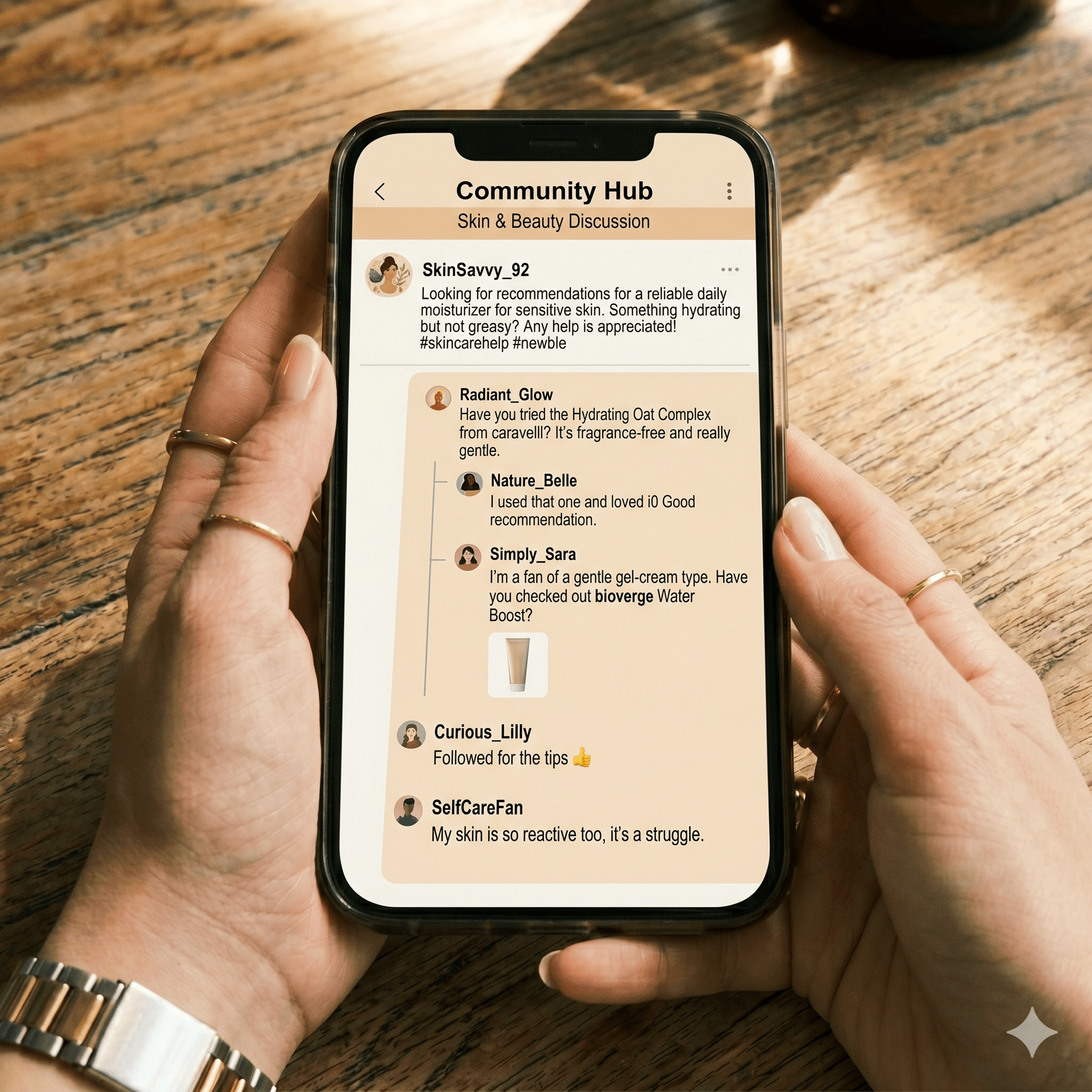
Communities generate ongoing language about what people need, question, reject, prefer, and recommend. Those conversations reveal decision-making in motion. They show how people evaluate categories, how trust forms, which objections keep repeating, and which needs are emerging before they become obvious in dashboards or quarterly reports.
At RAD Intel, we spend a significant amount of time studying the signals audiences generate before decisions become visible in performance metrics. Historically, many of those signals had to be inferred from behavior. Increasingly, they are being expressed directly through language.
The Bottleneck Is Moving
For years, companies competed on access to information. Today, access is becoming less of a constraint. Most organizations already have more data than they can reasonably process, and more dashboards rarely solve the underlying problem.
As language becomes a richer source of behavioral data, the bottleneck shifts from collection to interpretation. Which questions keep appearing? Which concerns emerge before purchase decisions? Which tradeoffs matter most? Which assumptions are changing inside a market?
Those answers often exist before they show up in performance metrics. They're embedded in conversation.
The Bigger Shift
At the end of the day, Forum may become a major platform or remain a niche product. But the broader trend extends far beyond Meta.
Across AI platforms, search engines, social networks, and community spaces, people are becoming more comfortable expressing intent directly through language. Searches, purchases, discussions, questions, and comparisons now sit side by side as signals of intent.
So, are your tools actually reading that language, or just measuring how much of it exists?