
For years, brands have relied on agencies to guide their creator marketing strategies, from identifying the right partners and audiences to negotiating fees and managing campaigns.
Agencies have spent years building relationships, developing expertise and learning the nuances of the creator economy, often in ways internal marketing teams don't have the resources to replicate.
But I've been thinking about how brands and agencies can work more closely on the decisions behind those partnerships. If I'm the CMO approving a creator marketing budget, I want to understand why we're investing in a particular creator, who we're trying to reach and how the partnership fits into our broader strategy.
An agency can help me make those decisions, but I want my own team to understand the reasoning behind them, too.
As audience intelligence becomes more accessible, brands have an opportunity to take greater ownership of their creator strategies. And I think that could change the relationship between brands and agencies.
How brands and agencies can improve creator selection
Creator marketing has historically depended heavily on relationships and experience. An agency knows which creators are reliable, which partnerships have worked before and who might fit a particular campaign.
Even with an experienced agency partner, brands benefit from understanding the audience insights behind a creator shortlist.
The creators might have strong engagement rates or experience working with similar brands. Those credentials can be compelling, but they don't necessarily tell me whether they're reaching the people my business needs to influence.
What brands should bring to the agency relationship
I don't think brands need to eliminate agencies or build enormous internal influencer teams to take greater control of creator marketing. Brands should have a clear understanding of their audiences and work with agencies to translate those insights into creator strategies, partnerships and campaigns.
Knowing how to identify an opportunity is different from knowing how to turn it into a successful partnership.
A brand should understand which communities it wants to reach, what motivates those people and how different creators might connect with them. That knowledge shouldn't disappear when an agency contract ends or a new partner takes over.
This is especially relevant for mid-market companies without large internal research teams. AI-driven audience intelligence can make sophisticated analysis more accessible, allowing brands to develop their own perspective before briefing an agency.
They can evaluate recommendations more confidently and participate directly in creator selection, while agencies focus on the expertise and execution that make partnerships successful.
Creator selection should start with the audience
One thing I've become increasingly convinced of is that creator marketing often starts too far downstream. A brand decides it wants an influencer campaign, develops a brief and starts looking for creators. Before long, the conversation turns to follower counts, engagement rates and fees. I'd rather start by understanding who we're trying to influence.
Understanding people's interests, the communities they participate in and the voices they trust can lead us to creators we might otherwise overlook, while challenging our assumptions about who belongs in our target audience in the first place.
Take Okapa, a premium luxury water bottle brand we recently analyzed. The obvious starting point for creator selection would be wellness: yoga instructors, fitness communities and lifestyle accounts. Those audiences make sense for the product, but our analysis surfaced another group worth considering.
We identified consumers with engineering, technology and product-design interests who paid close attention to materials, construction and durability. They were researching how products were made, comparing specifications and seeking out independent reviews. The creators they followed were more likely to focus on product teardowns, engineering and design than fitness or wellness.
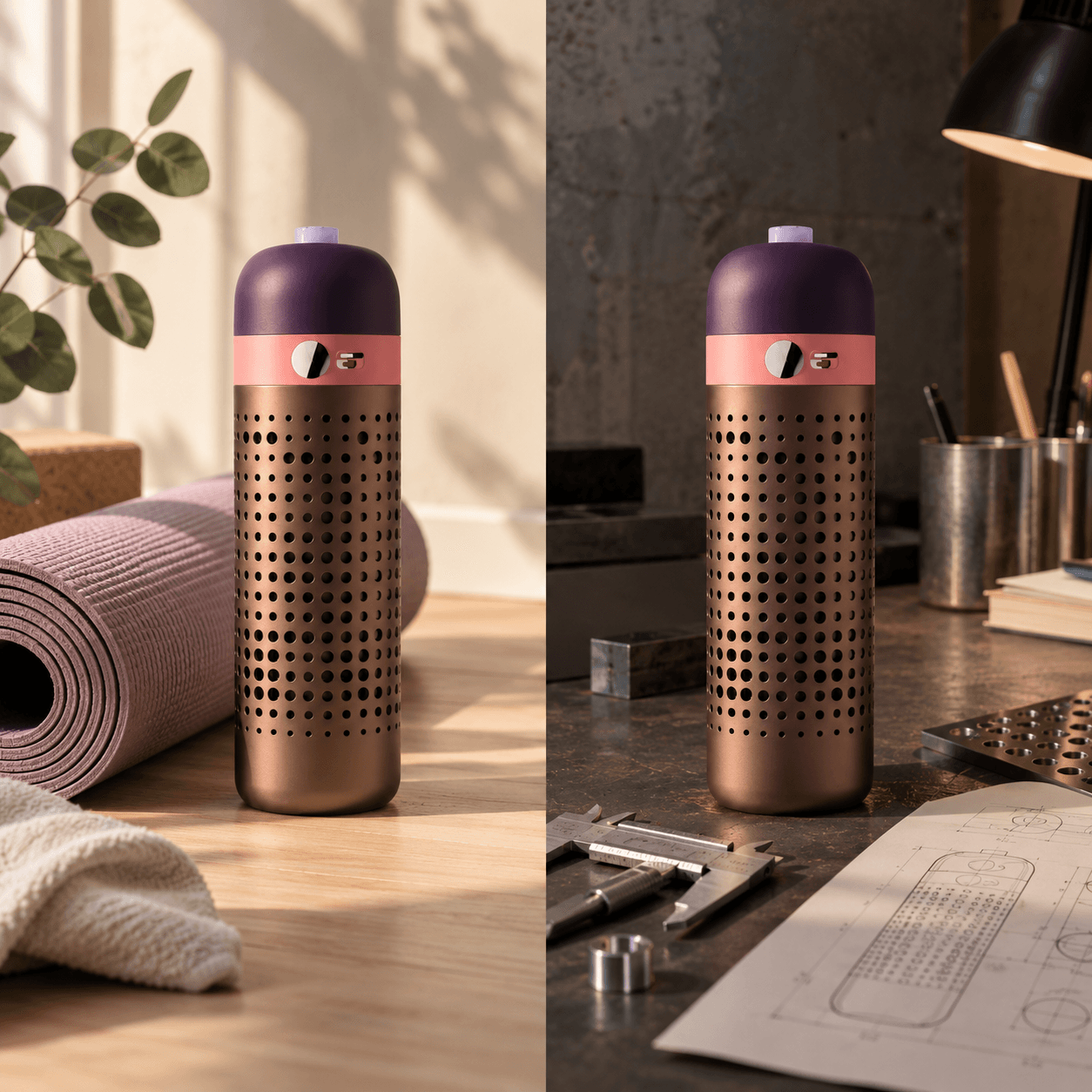
A product-teardown creator probably wouldn't be the first name on a hydration campaign shortlist. Yet the modeled engagement and conversion benchmarks for this audience were among the strongest in our analysis, despite the less obvious category fit.
I want my own team to see opportunities like this before we brief an agency, so we can have a more informed conversation about which creators deserve consideration.
Better-informed brands make better agency partners
I think greater access to audience intelligence could make brand-agency relationships more productive. In many cases, it could make the relationship more productive.
When a brand understands its audience and can articulate what it wants to accomplish, an agency has a stronger foundation for developing creative ideas and identifying partners.
The conversations can become more substantive, too. Instead of debating whether a creator feels like the right fit, both sides can examine the evidence, discuss creative opportunities and weigh trade-offs.
There will still be disagreement. An experienced agency partner may see something the internal team has overlooked, just as a brand may have customer knowledge that changes the recommendation. I wouldn't want either side to lose that perspective.
As CMO, I want partners who bring expertise I don't have. I also want my team to understand the reasoning behind our investments.
Brands don't need to bring creator marketing entirely in-house to play a more active role in shaping their strategies. When brands and agencies bring their knowledge and expertise to the same conversation, they're better equipped to identify creators worth considering and build partnerships around the audiences they want to reach.