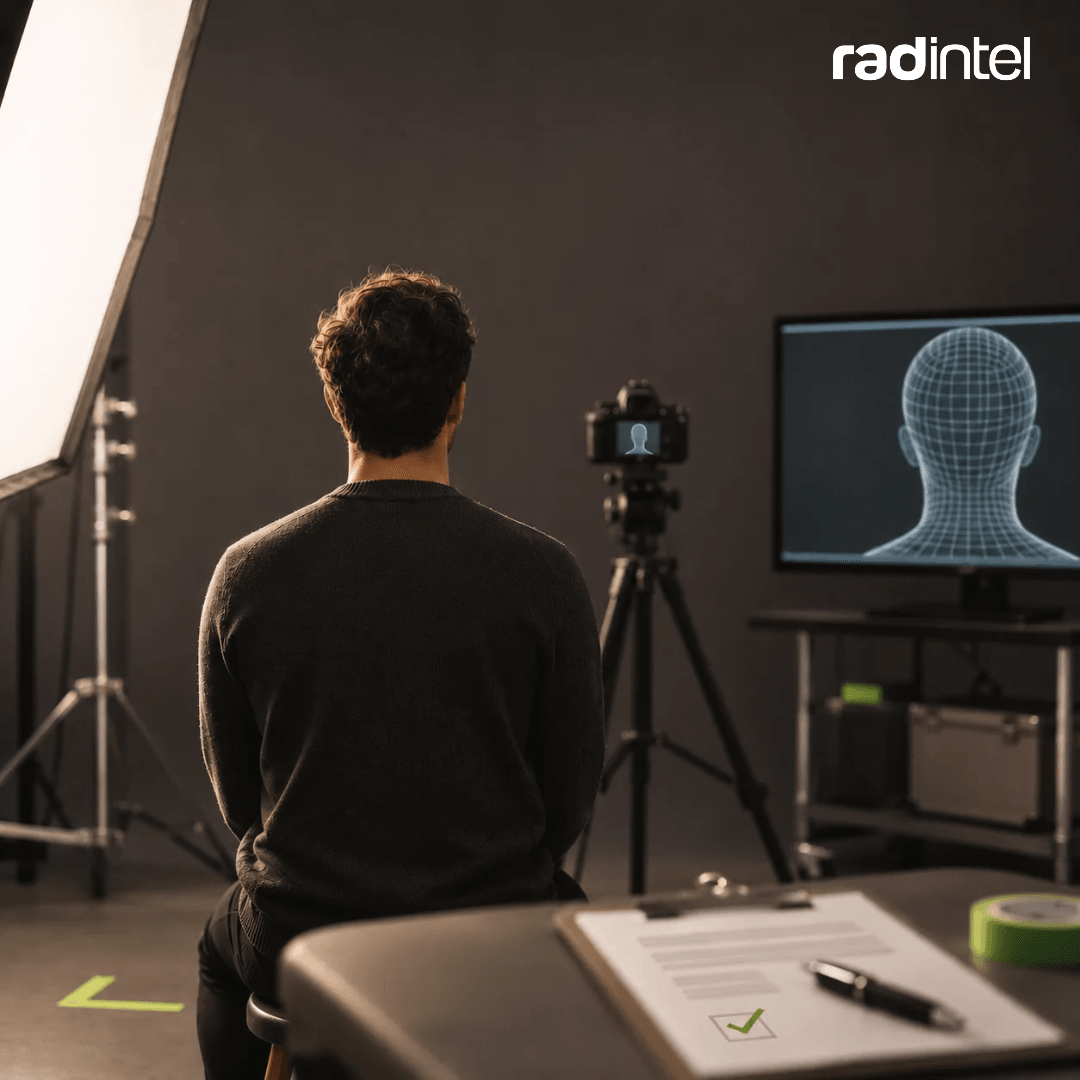

Ogilvy introduced ECHO this month, a system built with Creative Artists Agency (CAA) that lets brands create new advertising from approved digital replicas of celebrities, athletes, and other talent. The system connects Ogilvy with verified scans stored in the CAA Vault, then checks generated assets against talent usage terms and brand safety rules before anything can be released.
Every asset still requires talent approval, and approved creative carries a visible notice stating that the person authorized the AI recreation. Ogilvy says a traditional shoot that produces eight to ten assets could potentially become 30 to 50 pieces of creative through the system.
As a person's face, voice, and likeness become easier to reproduce, brand safety starts covering more than whether a partnership or placement is appropriate.
How AI-Generated Advertising Changes Brand Safety
Brand safety has traditionally focused on the environment surrounding an advertisement. Brands evaluate the creator, the content, the audience, and the places where their name might appear.
AI-generated advertising introduces new brand safety risks before an ad ever reaches an audience, particularly when a real person's face, voice, or likeness is recreated. A piece of creative can look completely appropriate while still using someone's identity in a way they didn't approve.
ECHO is designed to address both sides of that risk, combining traditional brand safety checks with controls over how a person's identity can be used. Its approach reflects the additional oversight required when a single approved shoot can generate creative across multiple markets, platforms, and products.
Why Digital Likeness Rights Matter
Consent is built directly into ECHO's production process. Usage terms can be checked as new creative is generated, rather than relying entirely on a review after production.
A general agreement to work with a brand is different from unlimited permission to recreate someone. Once AI can place the same person into new scenes, languages, and formats without another physical shoot, the boundaries of the original agreement become much more important.
The International Chamber of Commerce made a similar point in its responsible AI guidance this year. It says marketers using AI to create or materially alter the likeness of a real person should ordinarily obtain permission and respect the scope of that permission.
Even when the proper permissions are in place, brands still have to think about how audiences will interpret seeing someone recreated by AI.
Approval Becomes Part of Creative
There is also a consumer trust problem here. Someone seeing a celebrity in an AI-generated advertisement may have no obvious way to know whether that person actually agreed to appear in it.
In its own research involving more than 1,200 respondents across the United States, United Kingdom, and India, Ogilvy found that more than 80 percent recognized talent-approved messaging as a signal of authorized AI use. Explicit talent approval also increased trust and reassurance, although the effect varied by market, from 43 percent of respondents in the United States to 62 percent in India.
Beyond meeting disclosure requirements, telling audiences when AI-generated content has been authorized can help them assess its credibility.
New rules are beginning to address AI transparency in advertising. New York's synthetic performer law, signed in December 2025 and in effect since June 2026, requires disclosure when certain AI-generated performers appear in advertisements. The law specifically defines synthetic performers as those who aren't recognizable as identifiable real performers, distinguishing its disclosure requirements from the consent and usage rights involved in recreating actual celebrities.
Brand Safety Starts Before Activation
Waiting until the final creative is ready leaves important questions about rights, suitability, and approval much too late. Brands need to understand those boundaries when choosing the people they want associated with a campaign, especially when a single partnership can now produce far more content than one commercial or a handful of social posts.
This is particularly relevant in creator marketing, where brands are already borrowing trust from another person. If a creator's identity can be extended into synthetic creative, understanding their audience, content history, and the boundaries of the relationship becomes part of the same risk decision.
At RAD Intel, that earlier-stage thinking already shapes how one of our portfolio companies, Lickly, approaches creator decisions. Lickly evaluates creator content, history, audience context, and brand-specific risk before a partnership moves forward, putting safety alongside audience fit and campaign opportunity before budget is committed.
Digital likeness adds another dimension to that evaluation. Knowing a creator is appropriate for the brand is only one part of the decision when their identity can continue generating creative after the original shoot. Brands also need to know who approved each use, where the content can run, and how long those rights remain valid.
WPP, Ogilvy’s parent company, and CAA are showing one possible model for handling those questions by making permission, usage terms, and approval part of the system itself.
AI can produce dozens of new ads from a single approved shoot. The ability to create more content doesn't automatically grant the right to publish it.