
I spend a lot of time on the internet (definitely more than I should), and one of my favorite things about it is stumbling into communities I know absolutely nothing about. I’ll find myself Googling an acronym or trying to work out why everyone is making the same joke.
And I love how normal it all seems to the people involved. Nobody stops to explain the acronyms or memes. Why would they? Everyone they're talking to already gets it.
I find the relationship between language and belonging so interesting. We develop incredibly specific ways of communicating around the things we love, the experiences we share, and even the things we collectively find annoying. And it's pretty obvious when someone else gets it. Which is also why you can usually tell when a brand is speaking a language it hasn't spent much time learning.
Fluent in Something
I see this all over the internet. Runners talk about negative splits, zone 2, and PRs. There are entire memes dedicated to the things runners say and do that probably aren't all that funny if you're not a runner.
Pregnancy and parenting forums have so many acronyms that I initially had to Google half of what I was reading. DPO (days past ovulation), DH (dear husband), FTM (first-time mom), and STM (second-time mom) are just a few.
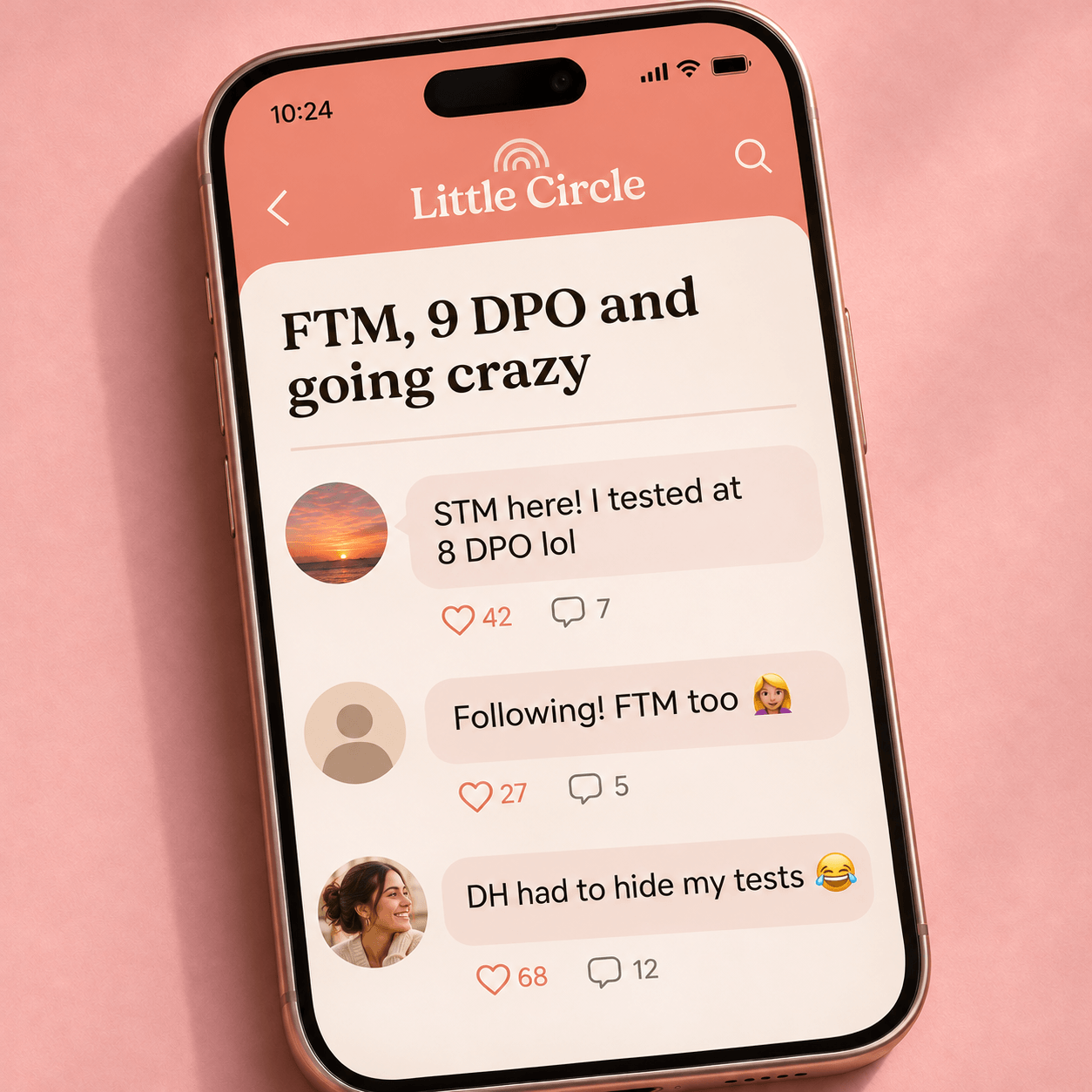
All the acronyms can be a little overwhelming at first, but the shorthand serves a purpose. People are discussing experiences that can be personal, complicated, repetitive, or difficult to explain. A few letters help them get straight to the conversation they came to have.
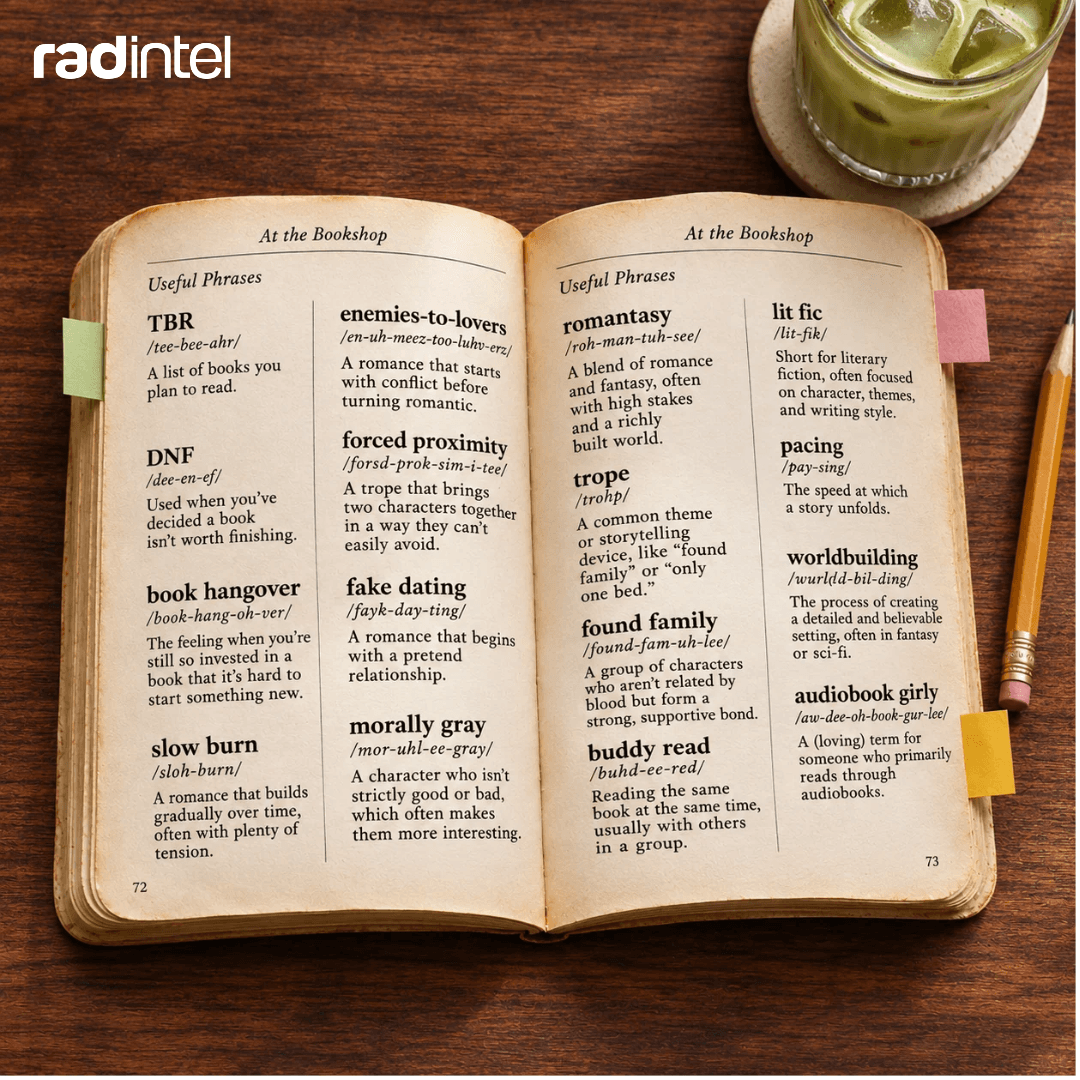
BookTok, the reading community on TikTok, is probably one of my favorite examples of this. Readers have developed a vocabulary for almost every stage of their relationship with a book. There's the TBR (to be read) pile, which readers regularly share and compare online. DNF (did not finish) is used when you've decided a book isn't worth finishing. And a book hangover is when you're still so invested in the book you've just finished that you're struggling to get into another one.
The language gets even more specific when readers start discussing tropes. Enemies-to-lovers, forced proximity, fake dating, and morally gray characters can tell someone a lot about a book before they've read the first page.
Very efficient, no? Someone can say they're looking for a slow-burn romance with found family and a morally gray love interest, and another reader will know exactly what shelf to point them toward.
These expressions also give people a reason to talk. A TBR pile becomes a shared joke about buying books faster than you can read them. A DNF starts a debate about whether life is too short to finish a boring novel. The vocabulary gives readers a way to recognize one another. And once you learn it, you're better equipped to join the conversation.
The Behaviors Behind Community Language
Using Goodreads as a starting point, I ran an exploratory audience analysis through RAD Intel's AI-driven intelligence platform, RADzilla, and identified an audience segment called Romantasy Trendsetters. These readers are drawn to romantasy (a blend of romance and fantasy), particularly the tropes, characters, and emotional reactions that keep book discussions going long after someone turns the final page.
RADzilla's behavioral signals measure how much more likely an audience is to engage in a particular behavior than a random comparison group. Our Romantasy Trendsetters are 180x more likely to maintain a public TBR list featuring romantasy releases, 165x more likely to post detailed reviews about romance tropes and favorite couples, and 132x more likely to join buddy reads or group discussions centered on fantasy romance.
Put the vocabulary next to those behaviors, and they line up almost one to one. Readers share their TBR lists, use tropes as shorthand when asking for recommendations, and organize buddy reads so they can experience a book together. The language reflects what readers do together, which is why it can shift when their behavior does.
The RADzilla analysis also identified other reading audiences that participate in different ways. Fantasy Lorekeepers gravitate toward theories, fictional worlds, and character analysis. Reading Goalkeepers organize their enthusiasm around challenges, progress updates, and reading routines. Same hobby, different habits, and different words to match.
When Brands Try to Join the Group Chat
I've seen enough brands call their customers “bestie” that it's started to feel like a marketing cliché.
It’s just so awkward when a company adopts the language of a community without understanding the relationships behind it. A friend can tease you about your unread book collection. A bookstore can probably get away with the same joke, provided it has earned a little familiarity. A company you've never interacted with suddenly calling you “book bestie” is…icky.
Timing is part of the language, too. Community shorthand moves fast, and a joke that was everywhere in the group chat can feel stale by the time it shows up in a sponsored post three weeks later.
Community language can look deceptively easy to reproduce. The words are right there. A brand can collect them, put them in a caption, and technically use them correctly. But knowing what DNF stands for doesn't tell you why someone stopped reading a book. Maybe they want to know if anyone else felt the same way, or maybe they just need to vent.
Now, if I were running a bookstore, I'd pay attention to the kinds of recommendations people are asking for. If readers are constantly looking for slow-burn romances, I'd give those books their own shelf or put together a reading list. I'd appreciate that a lot more than being called “book bestie” in an email. After all, understanding the interests, habits, and shared experiences behind a community's language is one way audience intelligence can inform marketing decisions.
You Had to Be There
People develop shared language because they keep showing up for the same conversations. They swap book recommendations, talk about their latest runs, share little victories, and get into lengthy debates about their favorite characters.
Over time, people develop their own shorthand for the things they talk about most. Brands can learn those words. They can even use them well. But there's a reason the funniest person in a group chat isn't usually the stranger who just joined and immediately started repeating everyone else's jokes. You have to get to know people first.