
Unilever says it now works with more than 500,000 creators across its markets. That's up from 75,000 in 2024, and the company says creator content delivers about 1.5 times the return of its brand content.
Half a million creators makes for a good headline, but very few brands could copy that scale even if they wanted to. Behind Unilever's strategy is a system for selecting, briefing, and measuring creators, then applying what the company learns about its audiences.
More Creators Mean More Decisions
Unilever is using AI to help manage its growing creator network, supported by systems for content production, performance measurement, and optimization. The company also emphasizes the importance of human relationships, giving local teams and creators room to shape how brands show up in individual markets.
Managing that many partnerships requires a clear process. Access to more creators creates more choices, and those choices still need some logic behind them.
A smaller brand might work with 20 creators instead of 500,000, but it faces the same basic problem. Someone still has to decide which creators make sense for the audience, which message fits the moment, and which partnerships deserve more budget after the first campaign runs. Even with a smaller roster, brands need a clear way to evaluate creators and decide where to invest.
Audience Fit Comes Before Follower Count
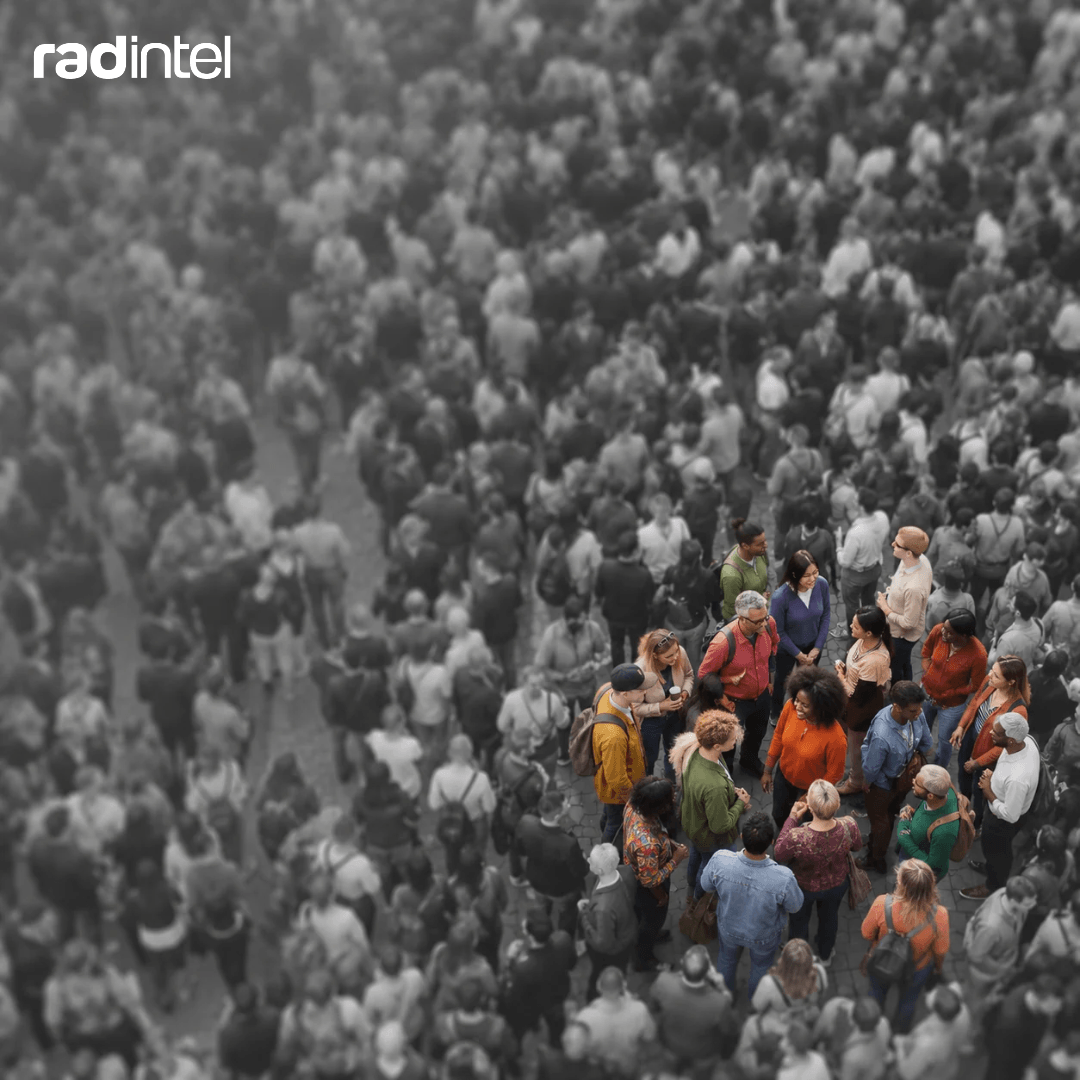
Unilever's examples also show that its creator strategy isn't built around finding the largest possible accounts. The company describes creators as local voices that help its brands participate in communities and cultural moments across different markets.
The audience has to come before the creator decision. A creator who works for Dove in one market may make little sense for another product, community, or cultural moment, even if the creator has a much larger following.
Unilever used a similar approach in its Dove and Crumbl collaboration. The company said it prioritized creators who already had an authentic connection to the two brands and their communities rather than choosing partners primarily by follower count.
Smaller brands can follow the same sequence. The budget may be different, but brands can still start by understanding the people they need to reach and choosing creators who are most likely to connect with them.
Give Creators a System
Working with creators at scale also requires clearer boundaries around what stays consistent and what creators can interpret themselves. Unilever says it codifies the distinctive elements and core propositions of its brands while producing different content for different audiences, platforms, and markets.
Creators need something between a completely open brief and a script they're expected to repeat word for word. The brand can protect what makes it recognizable while still allowing someone who understands the local audience to communicate it naturally.
During the 2026 FIFA World Cup, more than 50,000 creators supported Unilever's Personal Care brands in an activation spanning 120 markets. Each brand still had its own role and identity even while the overall campaign operated at enormous scale.
A smaller program needs the same clarity. The fewer creators a brand can afford to activate, the more important it becomes to know why each one is there and what each partnership is supposed to accomplish.
Every Campaign Should Inform the Next
Unilever's model also puts considerable emphasis on what happens after content goes live. The company describes scale as a learning advantage, where interactions across creators, content, and markets provide information that can improve the next decision.
Campaigns shouldn't operate as isolated activations. Performance from one campaign can tell the team something about the audience, message, creator, or cultural connection that should affect what happens next.
Unilever has enough volume to create that feedback quickly. Smaller brands have less room for wasted experiments, which arguably makes carrying those lessons forward even more important.
If five creators outperform the rest of a campaign, looking at their engagement rates is only the beginning. The team should understand what those creators had in common, which audience responded, what they talked about, and whether those patterns should influence the next round of spending.
Better Decisions Can Scale
At RAD Intel, we see creator marketing as a decision problem before it's a scale problem. Across our portfolio, we start with the audience and use decision intelligence to guide creator selection, brand alignment, and performance expectations before budget is committed. Measuring results against those expectations helps teams understand what worked and make better decisions for the next campaign.
A company doesn't need Unilever's budget to benefit from that discipline. A smaller budget makes it even more important to understand the reasoning behind each creator decision because there are fewer dollars available to absorb a bad one.
Working with 500,000 creators might be impossible to copy. A process for choosing the right 20, measuring their impact, and knowing where to invest next is well within reach.