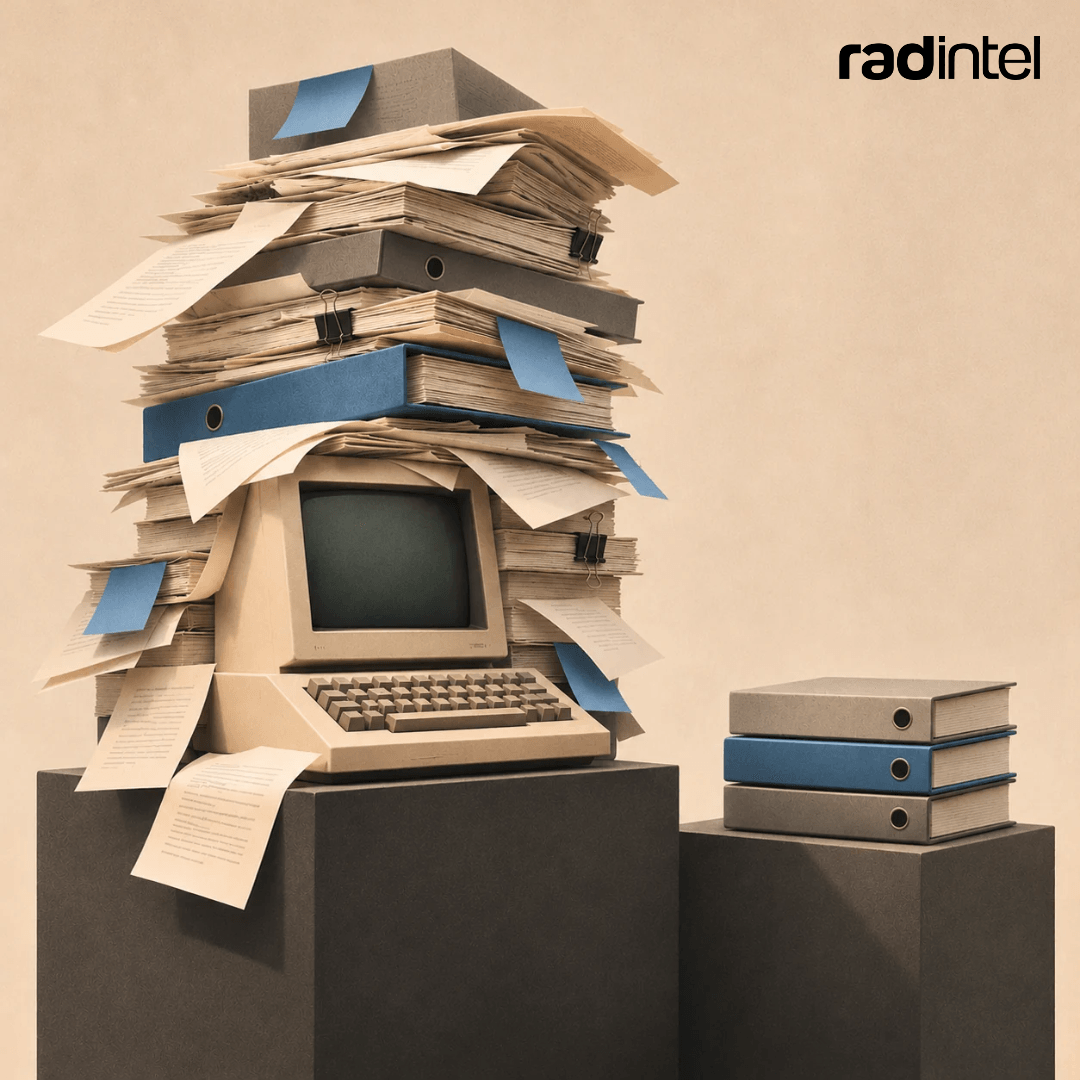

Buyers can spend months explaining why a company is worth acquiring, then spend the first 90 days changing the things that made it attractive.
I’ve seen both instincts in M&A. Buyers sometimes arrive with a playbook and start making changes before understanding the business. I've also seen companies hold on to familiar processes long after they've stopped serving them. Both can get in the way of a successful integration.
RAD Intel has already acquired a majority stake in AV Communications (AVC), an established multicultural agency. It makes the question especially relevant to us. An acquisition brings expertise, client relationships, and ways of working into a new portfolio. Before deciding what to change, a buyer has to understand how those strengths were built and what they depend on.
The question is simple to ask and hard to answer well: What created the value we bought, and what will help the business grow from here?
What to Preserve After an Acquisition
Post-acquisition integration often focuses on systems, teams, operations, and financial reporting. Those are necessary steps, but you also need to understand why the company operates the way it does before deciding what to change.
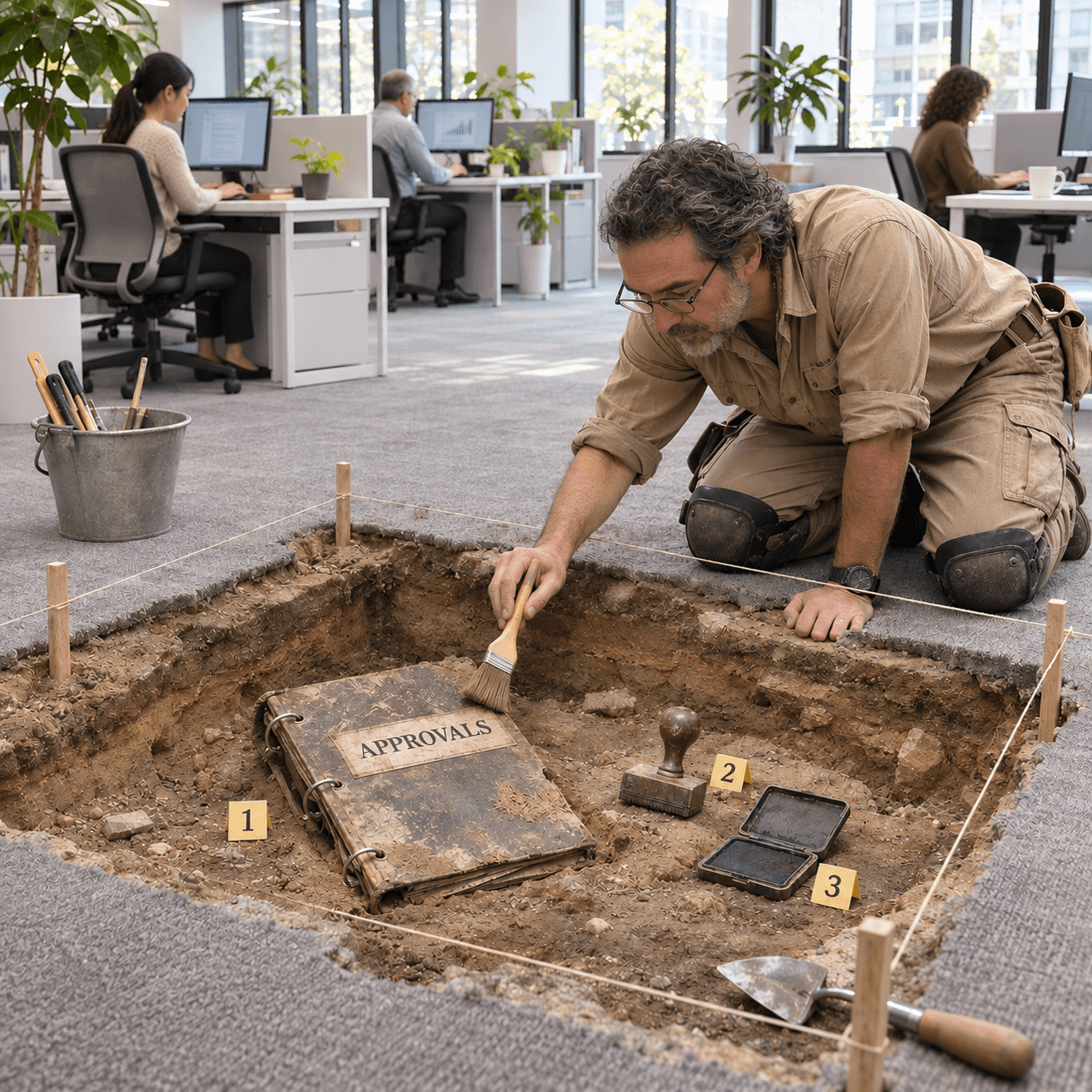
A process that works for a small team can become a bottleneck as the business grows. A founder may still approve every major proposal because that helped protect quality and customer relationships in the early years. At a larger scale, that founder’s judgment might create more value in partnerships or new markets than in reviewing every proposal.
The founder’s judgment remains valuable, even if the approval process needs to evolve.
The same question applies to products and services. A company may have built its reputation around one offering. As customer needs change, it may have room to expand that offering, add complementary capabilities, or put more resources behind stronger demand.
Those earlier decisions weren’t necessarily mistakes. They may have helped the company get to the point where an acquisition made sense. The job now is to understand what should carry forward and what could limit the next stage.
Protect the Culture. Challenge the Routine.
I think buyers sometimes mistake long-standing routines for essential parts of a company’s culture.
A culture built on customer commitment, strong employee relationships, or fast problem-solving can be difficult to recreate. Those qualities may be worth more than any individual process.
A routine, on the other hand, may simply be a workaround. A team might have built a complicated reporting process because it lacked better tools. A responsibility might still sit with the founder because no one ever had the time or resources to hand it off.
With additional capabilities, the company may be able to simplify that work and give people more time to serve customers and pursue growth.
The people closest to the business usually know where the friction is. Ask them what works, where they lose time, and what they would improve. Ask before the decisions are already made.
Give the Leadership Team More Room
Founder dependence is one risk I pay close attention to when evaluating a business. But every company has its own leadership structure, and the integration plan should reflect the actual business.
Some successful companies depend heavily on a founder’s instincts, customer relationships, and ability to solve problems quickly. Others have expertise and responsibility distributed across an experienced leadership team. In either case, the buyer needs to understand where knowledge sits and whether the business can keep moving as it grows.
At AVC, the expertise and client relationships of an established agency are part of what came into the RAD Intel portfolio. The question for us is where shared technology, capital, and support could add to those strengths over time. Each acquisition needs an integration approach that reflects the business and its existing leadership structure.
Growth might involve entering new markets, investing in technology, or giving leaders more room to take on new responsibilities. The right approach depends on the business, its existing strengths and where additional support could make the greatest difference.
Know What You Don’t Know
An acquisition doesn’t automatically make the buyer an expert in the business.
A product with modest margins might introduce customers to more profitable offerings. An unusual reporting structure might help a specialized team respond quickly. A founder’s involvement in a few key accounts might be why those customers have stayed.
What looks inefficient from the outside may serve a purpose. Buyers need to test their assumptions with the people who understand the business best.
Before making a change, ask what problem it solves, what evidence supports it, and what could break if the decision is wrong. Then be willing to adjust. There’s no prize for changing the most things in the first 90 days. I’d rather see a company make a handful of well-informed improvements than spend a year undoing changes that never needed to happen.
Build for What Comes Next
Founders make difficult decisions with limited information and resources. They take risks, adapt when something doesn’t work, and build ways of operating that help their companies grow. Those decisions deserve respect, even as new opportunities create reasons to revisit them.
For founders considering a sale, it's worth thinking about what the business could become with more resources, expertise, and support. That includes identifying the strengths worth protecting, the capabilities that could help the team grow, and the opportunities that have remained out of reach.
For buyers, the responsibility is to recognize what makes the business valuable and build on it thoughtfully.
Some things should survive an acquisition, including the relationships, expertise, and standards that made the company valuable. Workarounds, bottlenecks, and assumptions built for an earlier stage may need to evolve as the business grows.
Making that distinction before changing anything is one of the most important judgments a buyer can make.
What I’m Paying Attention To
Marketing decision intelligence. Publicis completed its acquisition of LiveRamp this month and is combining its data collaboration technology with Epsilon’s identity capabilities. I’m interested in how businesses bring previously separate sources of intelligence together to inform marketing decisions and demonstrate commercial value. Read Publicis’ announcement.
Customer continuity after an acquisition. Bloomreach’s acquisition of AthenaHQ brings AI search optimization into an established customer engagement business. AthenaHQ’s founders have confirmed that existing customer contracts, support, and teams will remain in place. I’ll be following how the companies introduce new capabilities while maintaining those customer relationships. Read AthenaHQ’s announcement.
Acquisitions built on existing partnerships. Oliver Wyman announced an agreement to acquire Synpulse, a technology and AI consultancy serving financial services companies. The two businesses have already worked together on client engagements, giving them firsthand knowledge of how their capabilities complement each other ahead of integration. Read Oliver Wyman’s announcement.
Middle-market M&A. EY’s latest U.S. M&A report found that middle-market deal value rose 9% year over year, with deal volume up 7%. I’m paying attention to where strategic buyers are directing capital, particularly toward established businesses with opportunities to grow through additional capabilities. Read EY’s October M&A activity report.