
Every October, the leaves change and candy corn returns to store shelves. Thus ignites the annual debate over whether anyone actually enjoys eating it.
People have strong opinions about those little orange, yellow, and white triangles (me included). Some defend them as a seasonal classic. Others would rather find a toothbrush in their trick-or-treat bag.
And yet, year after year, candy corn survives. For a candy with such a questionable public reputation, it seems to have an impressive ability to remain part of Halloween.
So, in the spirit of October's Think Again issue, I decided to put some of those assumptions to the test. Who's actually buying candy corn, and what keeps them coming back for a candy so many people love to hate?
Putting Candy Corn Through The Platform
I used RAD Intel's AI-driven audience intelligence platform to explore who might be buying candy corn and what motivates them. Using Candy Warehouse as the retail reference, I asked it to identify potential audiences based on their interests, shopping behaviors, and purchasing motivations.
The platform identified four modeled audience segments. I thought it’d find people who genuinely enjoy candy corn, maybe alongside a few seasonal candy enthusiasts.
But the results went beyond people who like eating it. The analysis suggested that candy corn's appeal could also come from Halloween decorating, nostalgic fall traditions, and seasonal gifting.
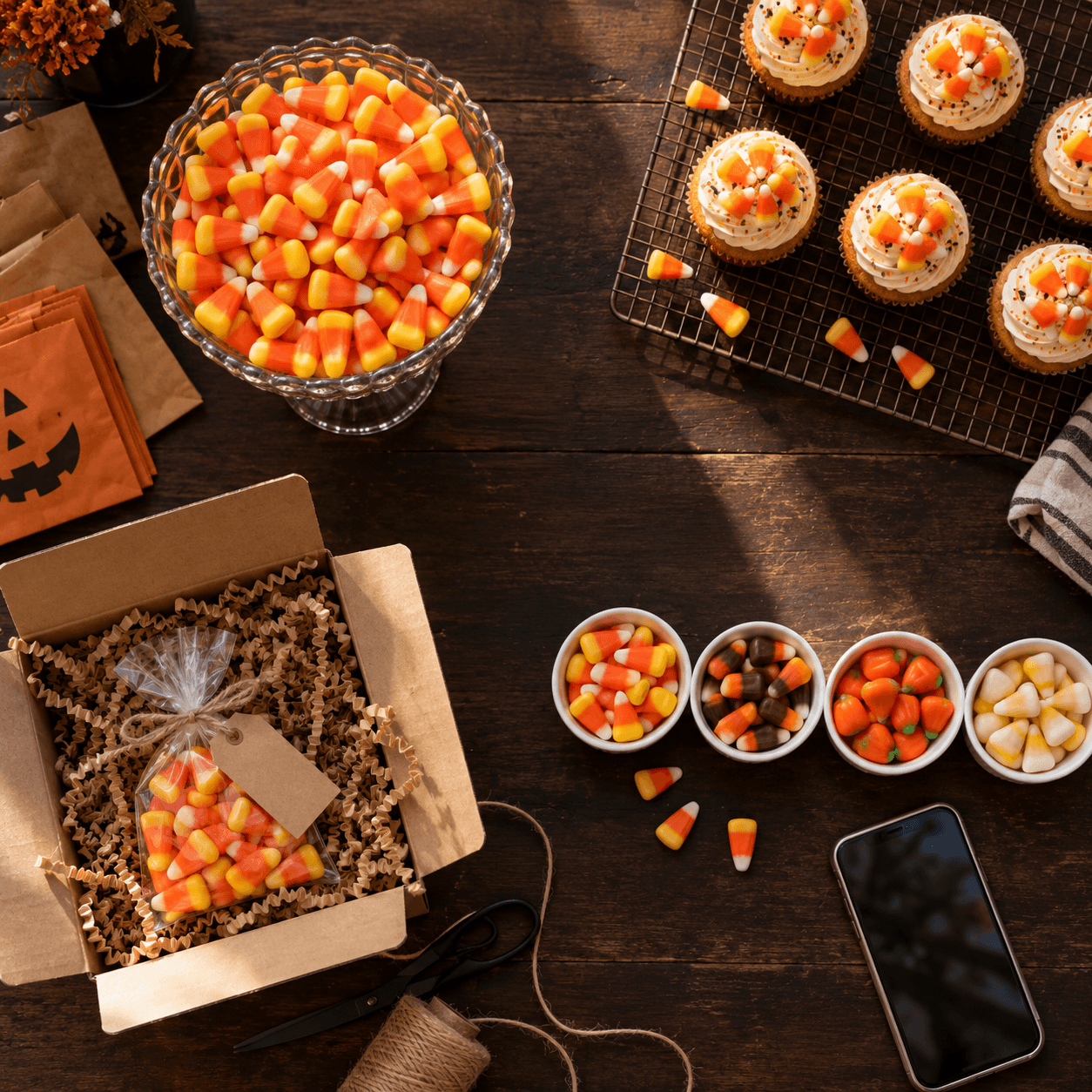
First up were the Haunted Hosts, who apparently take their Halloween candy displays very seriously. These are adults organizing Halloween parties, school celebrations, and neighborhood gatherings. They're buying candy for dessert tables, trick-or-treat bowls, and decorative displays. The platform scored this modeled audience as 126 times more likely to save or share Halloween candy buffet and dessert table ideas than a random comparison group.
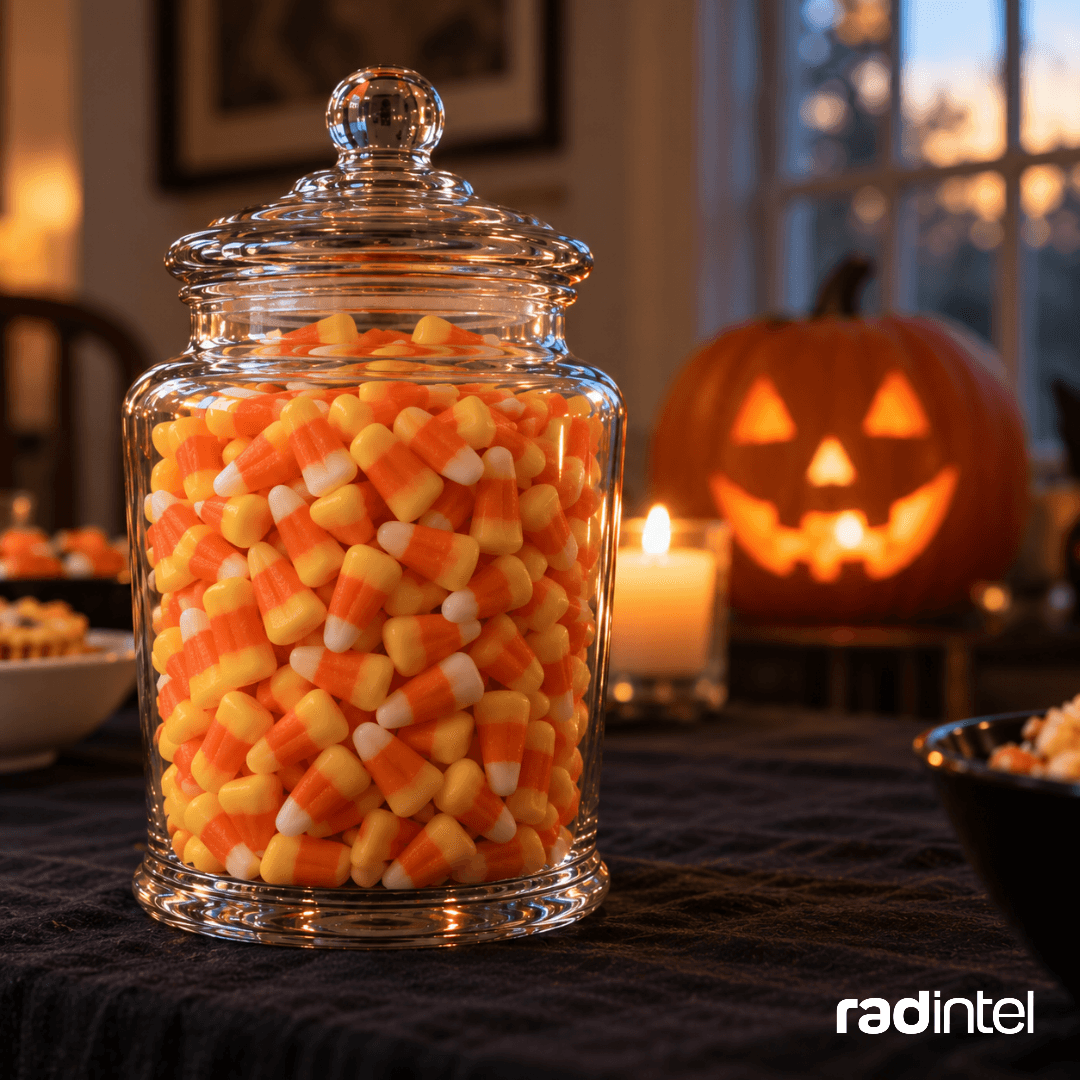
For this group, presentation was a big part of the appeal. Candy corn's familiar colors and shape made it a natural addition to the whole Halloween production. Which raises a fair question. If you're buying candy corn to fill a decorative glass jar, does it really matter whether you want to eat an entire handful?
Why Candy Corn Keeps Finding Its Way Into Halloween
The next audience was Fall Nostalgists, adults drawn to childhood traditions, cozy movie nights, autumn baking, and familiar seasonal rituals.
The platform scored this group as 128 times more likely to search for candy corn recipes and nostalgic dessert ideas. They also showed a strong affinity for retro candy brands and autumn decorating.
For these shoppers, candy corn appears to be part of recreating a particular feeling. It belongs alongside pumpkins, fall desserts, and the annual rewatch of whatever Halloween movie they've loved since childhood.
For some shoppers, those fall traditions also extend to the people around them. The Thoughtful Treat Givers assemble seasonal care packages, workplace gifts, classroom treats, and small Halloween surprises. This audience scored 148 times more likely to purchase candy gift boxes for seasonal care packages.
Candy corn makes complete sense because it's instantly recognizable. A handful tucked into a Halloween gift box communicates the season without requiring much explanation.
The fourth audience was the one I expected — people buying candy corn for the flavor. Or, well, sort of. Novelty Snack Explorers are younger adults chasing limited-edition flavors, comparing traditional candy corn to pumpkin spice and caramel versions, and buying sampler packs for taste tests and reaction videos. They care about taste, but partly so they can rank it, react to it, and post about it. In other words, the debate over whether candy corn is any good might be one of the reasons people keep buying it.
Across all the groups, the pattern was interesting. The platform identified reasons to buy candy corn that weren't exclusively about enjoying its flavor.
And yes, these findings don't prove that the people decorating with candy corn or including it in gifts dislike eating it. The platform modeled audience behaviors and potential marketing opportunities, rather than measuring actual consumption. Still, the results made me reconsider what I thought was the obvious question.
The Problem With Judging by Taste Alone
If I were marketing candy corn based purely on my own judgment, I'd probably focus on finding the people who love the taste. Our platform made me wonder how many other potential customers I'd overlook. A candy brand could explore creative built around Halloween decorating, nostalgic fall traditions, or seasonal gifting. The product stays the same, but the reason someone might want it changes.
We often evaluate products through the most obvious lens. Candy should taste good. A household product should work well. A piece of technology should make something easier.
Those things matter, obviously. But people also buy products because of what they represent, the occasions they belong to, and the experiences they help create.
When we rely too heavily on our initial assumptions, we can overlook those motivations. Audience intelligence gives us another perspective to consider, even when the product in question is a tiny piece of candy shaped vaguely like a traffic cone.
I'm not suggesting candy corn is secretly everyone's favorite Halloween treat, or that people care more about decorating with it than eating it. But I started this experiment wondering how a candy so many people complain about keeps finding its way into Halloween.
Turns out, candy corn has managed to make itself useful in ways I hadn't considered.
People can argue about the taste all they want. Some of them are buying a bag just to do it. And I have to admit, that’s a pretty good marketing position.