
Creator marketing has a pretty appealing new shortcut: find the organic creator post that’s already selling and put more money behind it.
ShopMy launched Spotlights last week around essentially that idea. The platform identifies organic creator content already driving affiliate sales and lets brands turn it into Meta Partnership Ads, with TikTok Spark Ads also announced. Rather than negotiating an upfront usage fee, creators earn commission on the sales those ads generate.
For a marketer looking at hundreds of creator posts and deciding which ones deserve more budget, I get the appeal. You already have evidence that the content can sell something. No need to guess which post will work when you can start with one that already has.
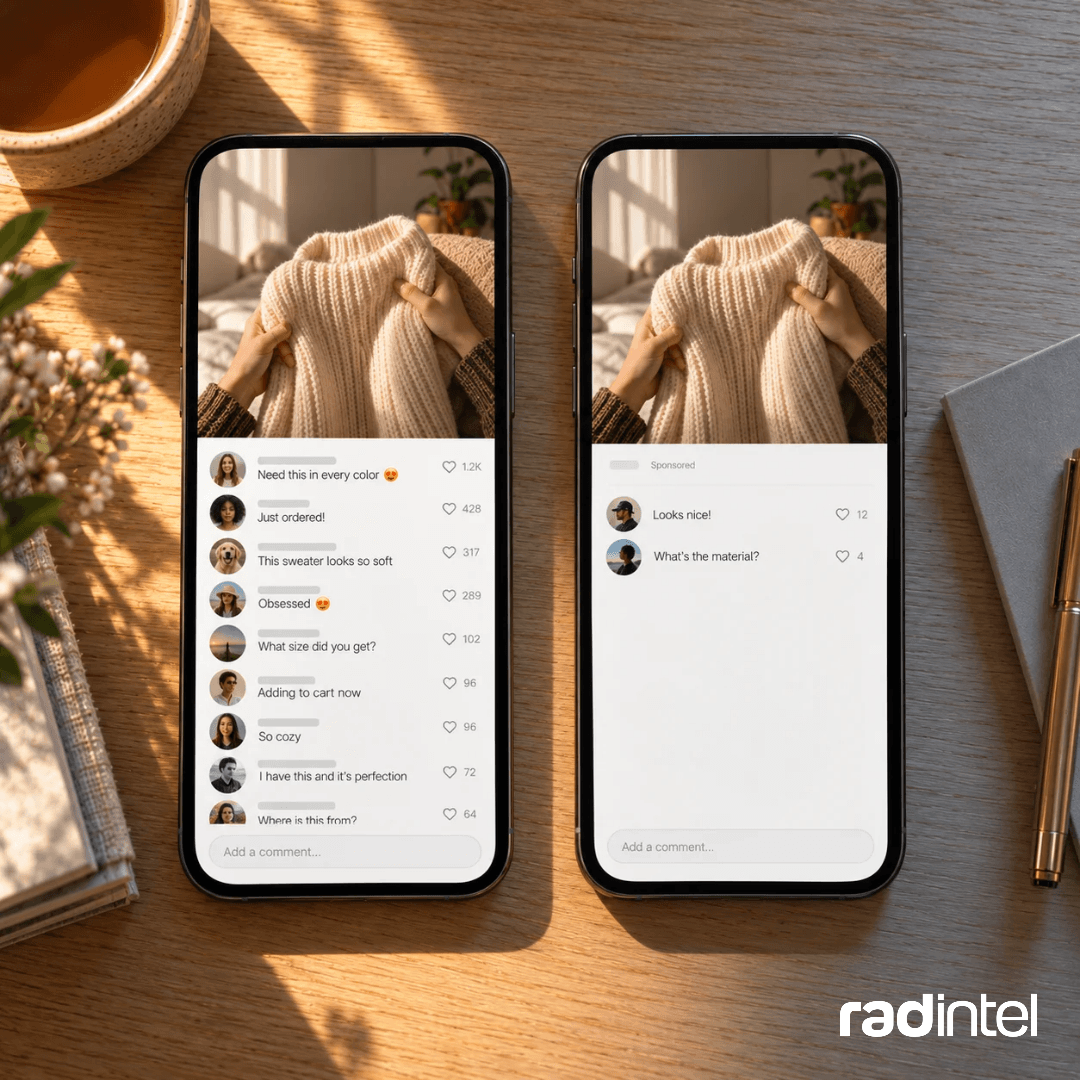
Here’s the catch — the post proved it could sell to the creator’s audience. But that’s not necessarily the audience the brand is about to pay to reach.
What Affiliate Sales Tell You About Creator Content
There’s a reason sales data is appealing here. Someone saw the content, clicked and bought, which gives a marketer more to work with than simply choosing the post they personally liked best.
But we all know that sale didn’t happen in a vacuum. The content appeared to people who followed the creator or encountered them organically. Those people came with some combination of familiarity, interest and trust. The creator may have spent years building that relationship before the product ever showed up in a post.
Paid amplification changes some of those conditions. ShopMy makes that distinction in explaining Spotlights. The company says the ads use audience targeting to put creator content in front of new audiences beyond the creator’s existing following. That’s part of what makes the product useful. But once the audience changes, the original sales tell you less.
A post can have excellent sales data without telling you how much of that performance came from the audience.
A BookTok creator sells out a special-edition fantasy novel with sprayed edges. Her followers may know her taste well enough to buy on recommendation alone. A stranger getting the same video as a paid ad is starting from a very different place.
Creator ads as a category do tend to outperform standard ads. ShopMy cites Meta data showing 13% higher click-through rates and 19% lower cost per acquisition. But that compares creator ads to standard ads. What it doesn’t tell you is whether the post keeps working once it leaves the creator’s audience.
Turning Creator Content Into Paid Ads Is Getting Easier
ShopMy isn’t the only company shortening the distance between creator post and paid ad.
Meta launched its Creator Marketing Hub globally in September, bringing creator discovery, permissions, messaging and Partnership Ad creation into the same workflow. Advertisers can find relevant creator content and start creating an ad from a creator listing in one click. On September 29, Meta also opened Instagram Live videos to amplification as Partnership Ads.
Spotlights takes another piece of that process and uses sales performance to help decide what gets amplified. The platform surfaces creator content using affiliate data, handles the permission request and can get an approved post running as paid media within minutes. Creators can also enable Instant Spotlights, automatically approving requests from brands they’ve already mentioned.
There’s an AI layer coming into this workflow, too. Meta says Partnership Ads will be supported through its Ads MCP connector, allowing advertisers and agencies to manage them through an AI agent of their choice.
Put all of that together and there’s a lot less friction between seeing that a creator post performed and deciding to spend more money on it. There’s plenty of upside to making that process faster. Speed isn’t a reason to skip the audience question.
Creator Content Is Becoming Media
As more creator content makes its way into paid media, there’s more money riding on those decisions.
CreatorIQ research from earlier this year found that 92% of paid media professionals use creator content in their paid creative. It also found that boosting creator posts is the single highest-ROI creator marketing activity brands report. CreatorIQ’s latest State of Creator Marketing report found that among brands with growing creator budgets, 38% said the growth came from net-new funding. Meanwhile, the share pulling that growth from paid media fell from 64% last year to 52% this year.
Creator marketing is becoming its own budget line while creator content becomes a bigger part of paid media. As that happens, marketers are going to need to evaluate it more like paid media. Organic sales can show that creator content worked with one audience, but they don’t guarantee the same content will perform with a new paid audience.
That means looking beyond whether a post converted. At RAD, we approach marketing decisions through audience intelligence, and this is exactly where it comes into play. Scaling what’s already working makes sense, provided you understand who it worked for. If the people buying organically resemble the audience you're about to pay to reach, those sales give you a pretty good starting point. If they don't, you're effectively testing an unproven ad on a new audience, regardless of how well the original post sold.
Marketers have gotten good at asking whether a creator makes sense for a brand. The next layer is whether a particular piece of their content makes sense for the audience a brand plans to buy.
The tools can increasingly find what worked, secure the permission and put money behind it within minutes. That’s a useful shortcut. It just helps to know exactly what you’re taking a shortcut around.