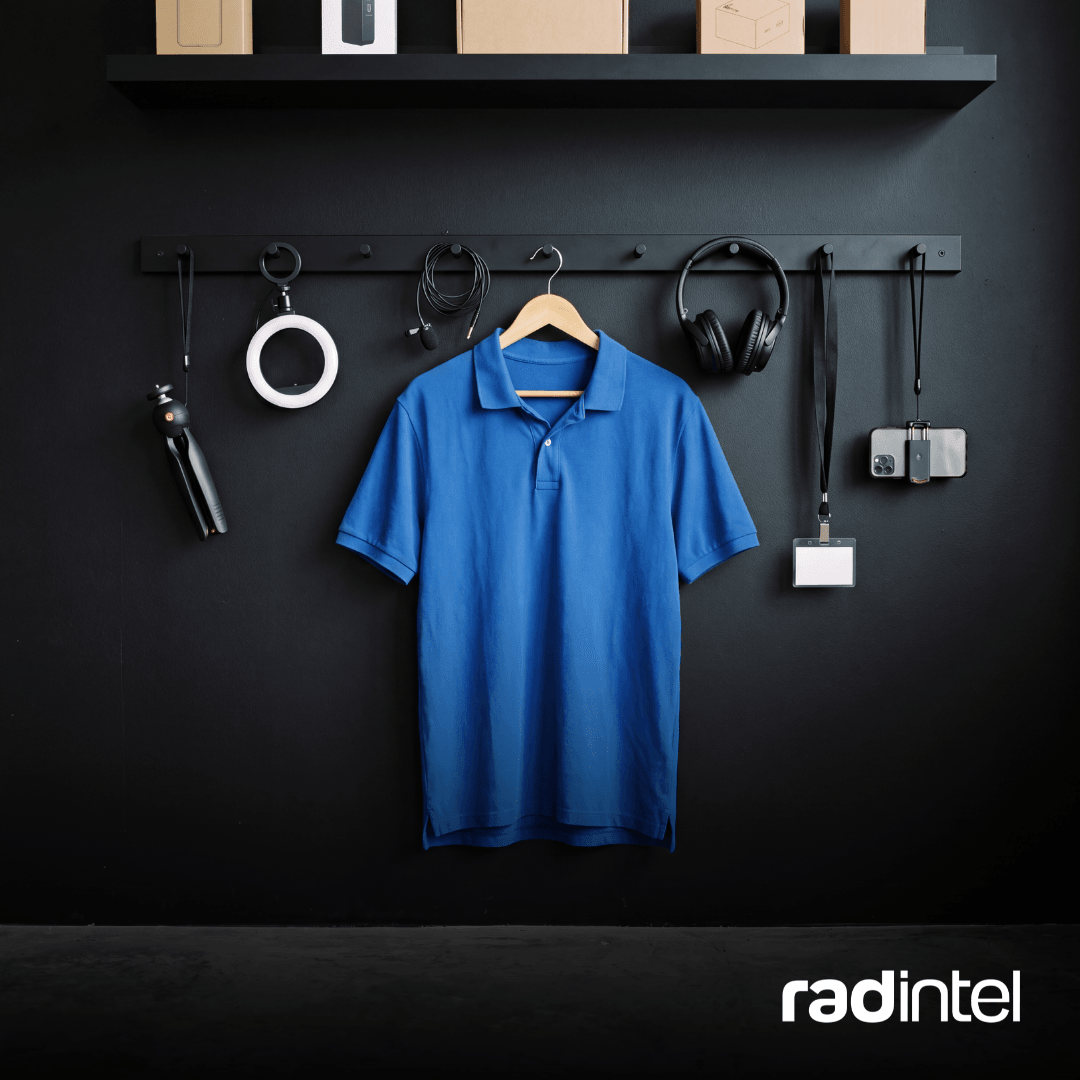

At The Drop, its annual showcase for advertisers last month, Best Buy expanded Best Buy Creators into something brands can buy. Alongside established creators and product reviewers, a select group of the retailer's Blue Shirt employees will now make content for advertisers across social, streaming and commerce channels, including TikTok Shop and connected TV.
Best Buy has worked with creators before. It launched creator storefronts last year with names including Linus Tech Tips, UrAvgConsumer and Jenna Ezarik, mostly as an affiliate play where creators curated products and earned commission. The new version sits inside Best Buy Ads, the company's retail media business, and Best Buy is pitching it on measurement: brands can connect creator content to what actually sold.
The company already had product experts in stores. Now it's putting them in front of the camera. A Blue Shirt explaining which laptop makes sense for a college student has something many brands spend heavily trying to manufacture: real knowledge of a category and plenty of practice answering the questions customers actually ask.
Employee Creators Take Expertise Beyond the Store
Retail employees have always influenced purchases, but that influence usually ended once the customer walked out the door.
A good salesperson might walk a customer through why one television fits a bright room better than another, or why a certain laptop upgrade isn't worth the money. Hundreds of customers could hear versions of that advice each month, and each one stayed inside a single conversation.
Employee creators can bring those explanations to people outside the store. One employee answering a common question on camera can reach people who won't visit a store until they're ready to buy.
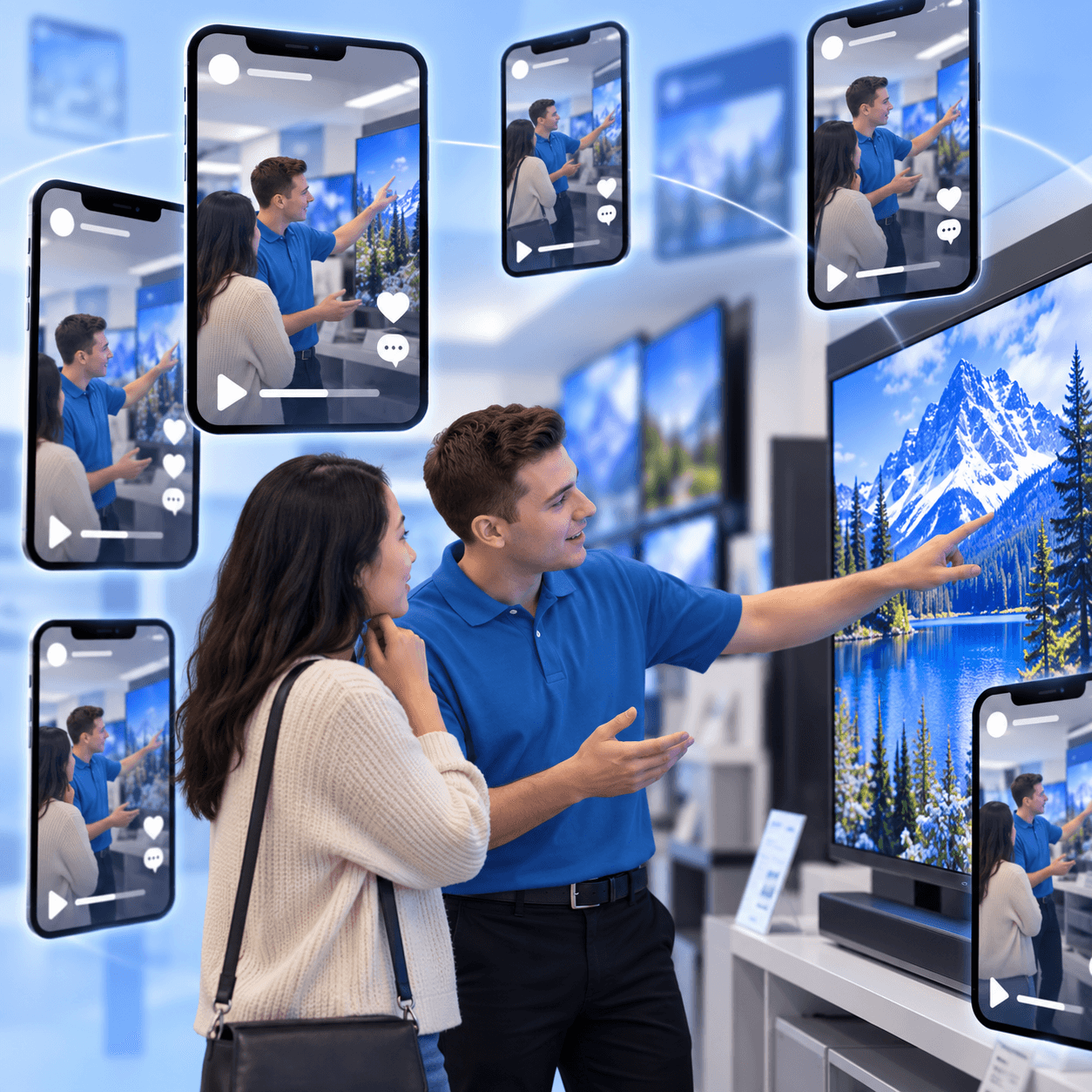
Best Buy is well suited to this because so many of its products raise questions. In June, the retailer said it had trained and certified more than 15,000 Blue Shirts on new RGB LED television technology. That's a large group of people practiced at translating technical differences into something a customer can use.
Product Expertise Builds Trust Differently
A tech creator may have spent years building an audience that trusts their reviews. An employee may have far less reach but spends every shift hearing what confuses customers, which comparisons keep coming up and what matters when someone finally has to choose.
The content itself doesn't have to be complicated. A short video on the three questions customers ask most about a new television might help more than another polished product announcement.
It also widens what authenticity can mean for brands. The most credible voice on a product may belong to someone who has answered the same questions about it rather than someone with a large following.
Employee creators come with real caveats. Audiences know who signs the paycheck, and an employee's content involves a material connection that should be disclosed as clearly as any paid partnership. Knowing the product doesn't automatically make someone good on video, either. Some employees will be better suited to creator work than others.
Other Brands Have the Same Bench
Best Buy's move gives other companies a reason to look at who on their own teams already sells the product better than the marketing does.
A beauty retailer has employees helping people compare products every day. A software company has implementation specialists who know where customers get stuck. A financial company has people fielding questions about the same difficult concepts over and over.
Marketing has traditionally interviewed those people and turned what they know into content. Putting the employee on camera removes a layer between the expertise and the audience.
Credibility Still Has to Be Proven
For marketers, that makes creator selection more complicated. Best Buy's measurement can show what sold once a campaign has run, but the choice of who to put on camera happens earlier. A large following is easy to see. Whether someone is credible with the audience a brand needs to reach is much harder to judge in advance.
That's where audience intelligence can help. Lickly, RAD Intel's AI-driven decision intelligence platform for marketing, starts with the audience a brand needs to reach and weighs evidence like audience alignment, relevance and engagement quality before recommending which voices are most likely to connect. That could be a well-known reviewer or someone with a much smaller following who knows exactly what customers need explained.
As more brands experiment with employees, specialists, founders and other internal voices, marketers may need to look beyond the usual creator roster and be ready to make the case that the person they chose was the right one.
Outside creators are staying in the mix. Best Buy’s new model puts established creators, product reviewers and Blue Shirts side by side, each with a different job in helping people find and understand products.
Best Buy is widening its idea of who can be a creator beyond people who built an audience online. Some of the best people to explain a product may already be selling it every day.