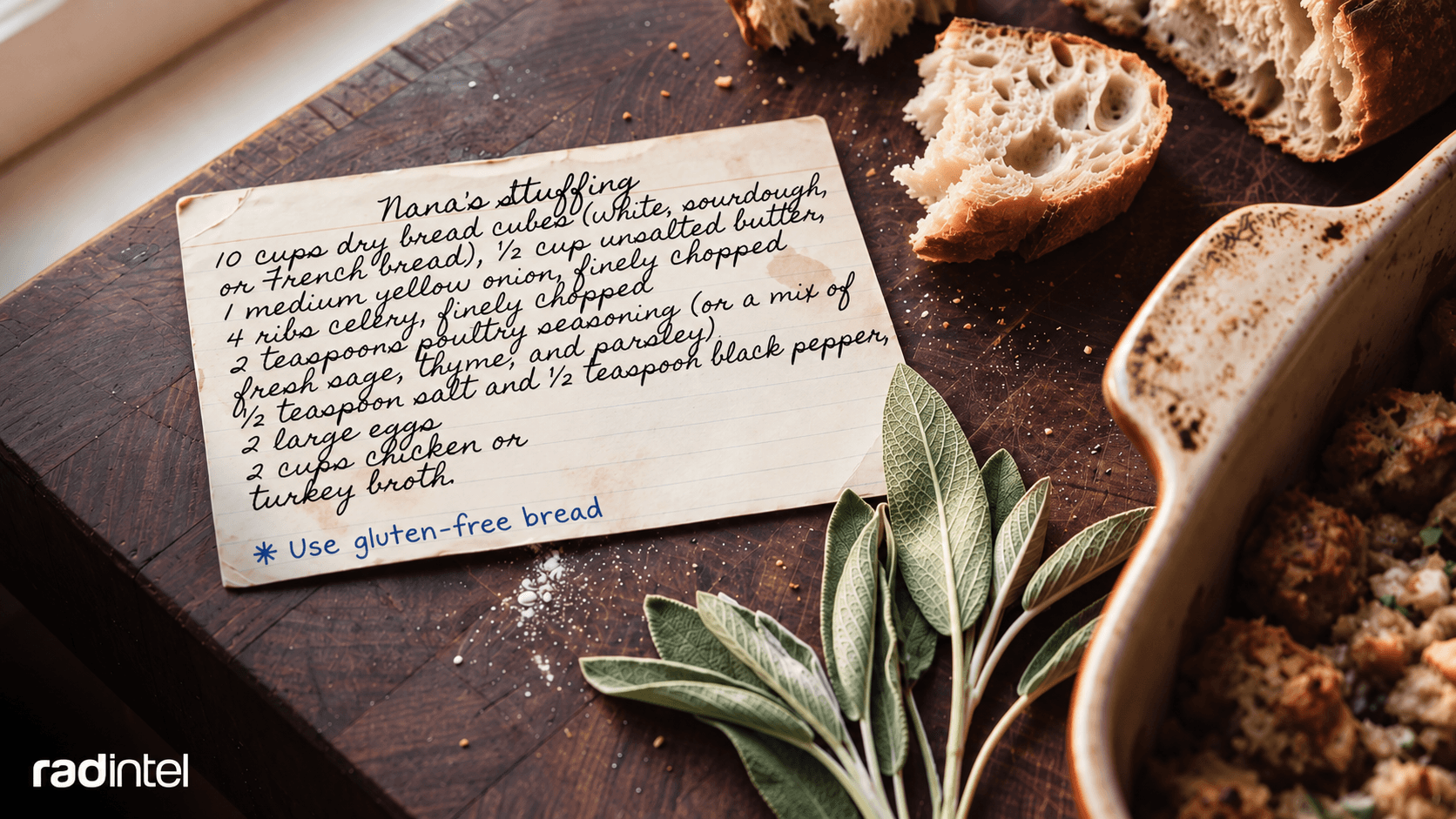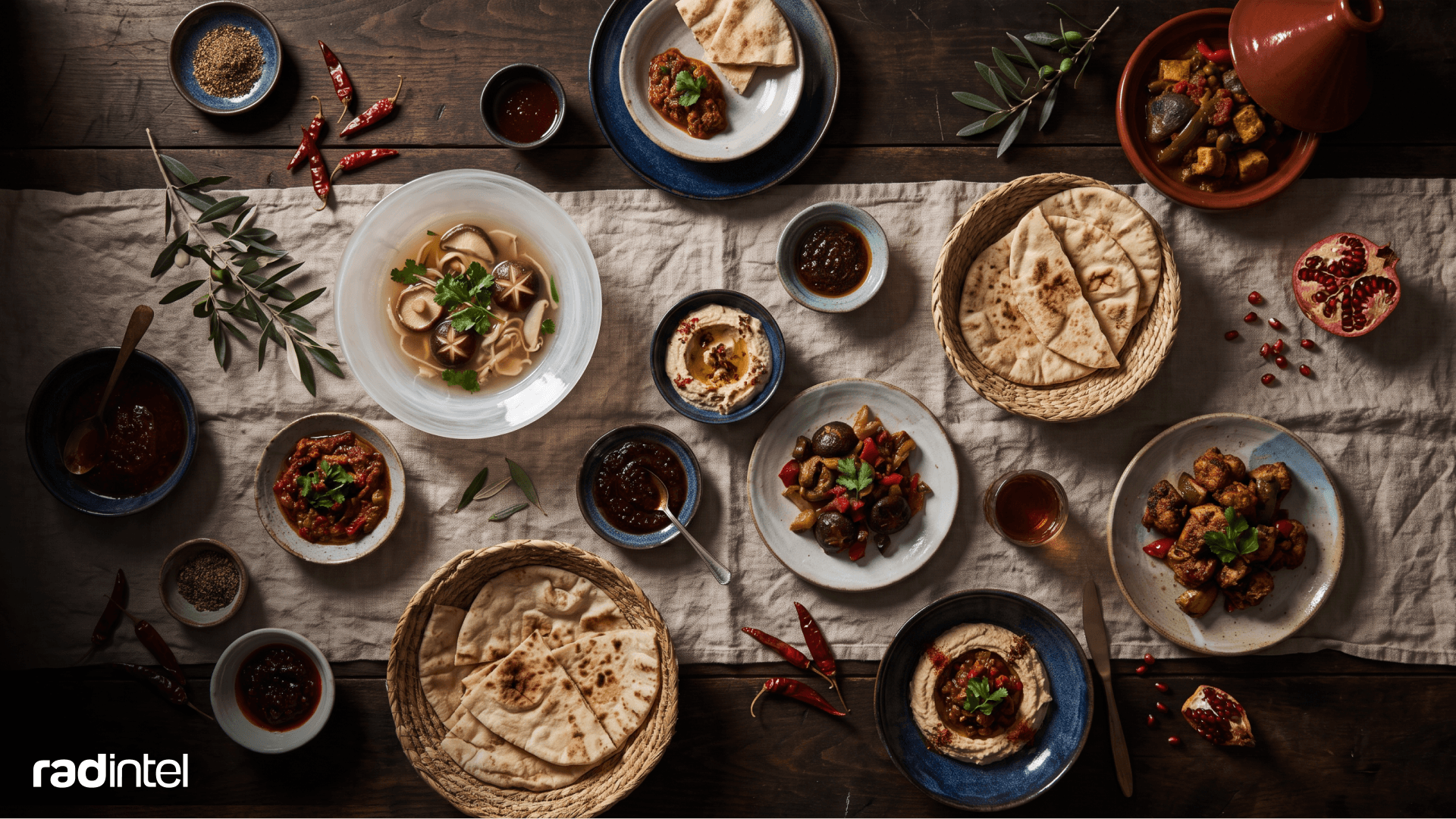

The soup wasn't turning out quite right.
A reader on The Chinese Soup Lady's website had tried making apple and corn chicken soup twice, but both attempts had left a bitter taste. Lisa Tong, who co-founded the site with her sister Tracy, stepped in with a few suggestions, including using less tangerine peel and removing the apple cores and seeds.
Elsewhere in the comments on that same recipe, another reader had a different experience to share. Her daughters, ages three and one, loved the soup so much they asked for seconds.
It's easy to overlook moments like these when talking about creator influence. There's no viral milestone or impressive follower count attached. Just people taking something they learned online and bringing it into their own homes.
The Chinese Soup Lady shares traditional Chinese wellness knowledge through recipes, food, and cultural storytelling. In March 2026, the project received the Creator's Choice Award at the inaugural Confluence Awards in Canada, a recognition decided by fellow creators.
Now, the awards program is expanding into the United States for 2027. Hosted by AV Communications, part of the RAD Intel portfolio, Confluence will bring creators from across North America into the program.
As the awards expand, there's an opportunity to recognize more multicultural creators whose work has found a place in people's everyday lives.
What Counts as Creator Influence?
Multicultural creators bring perspectives shaped by different cultural identities, communities, and lived experiences to digital content. Cultural identity might be at the heart of what a creator shares, or it might simply shape how they see the world and the stories they choose to tell.
Follower counts, engagement rates, and views can tell marketers plenty about how content performs. They can show how far something traveled, how many people engaged, and whether an audience responded. But there's a lot those numbers can't tell us about the people on the other side of the screen.
The Chinese Soup Lady's recipe comments offer two examples. One person found cooking advice. Another found a meal her family enjoyed. They're small interactions, but they show how something a creator shares can find its way into someone's everyday life.
Of course, that influence can take plenty of forms beyond recipes or things people can point to. A creator might help preserve a tradition, introduce an unfamiliar perspective, or make someone feel understood. The connection might be personal, cultural, practical, or some combination of all three.

Even audiences engaging with similar content may have very different reasons for being there. Those differences can tell us a lot about the communities that form around creators and what keeps people coming back.
How Cultural Connections Shape Audiences
To explore those differences, RAD Intel's AI-driven audience intelligence platform was used to model audiences interested in multicultural food content and culinary storytelling.
The analysis surfaced five audience profiles with different interests and potential relationships to food creators. Among them were Heritage Tablekeepers, associated with preserving family recipes and passing culinary traditions between generations, and Community Feast Connectors, whose interests included cultural gatherings, neighborhood events, and shared meals. A third group, Visual Recipe Storytellers, showed affinities for bilingual cooking videos, visual tutorials, and creative expression.
These were modeled audience segments rather than observed records of individual behavior. They weren't an analysis of The Chinese Soup Lady's followers, either. Instead, the exercise offered a way to examine how audiences within the same broad content category can have different interests and motivations.
Someone watching a cooking video might be trying to recreate a dish they grew up with. Another viewer could be discovering a new cuisine, while someone else might be drawn to the creator's storytelling or the community around their content.
The modeled profiles suggest several possible motivations, from cultural preservation to community participation and creative expression. They don't establish why any individual viewer engages, but they help illustrate why audiences with similar interests shouldn't automatically be treated as one group.
For brands, this kind of audience intelligence can help inform creator selection and creative strategy. It provides a starting point for understanding the communities surrounding content rather than evaluating creators through reach alone.
Cultural influence also reaches beyond the decisions brands make. The knowledge creators share can become part of how people cook, celebrate, connect, and carry traditions forward.
A Bigger Stage for Cultural Recognition
When The Chinese Soup Lady received the Creator's Choice Award in 2026, the recognition came from fellow creators who saw value in the work.
There's something meaningful about being recognized by people who understand what goes into creating, sharing knowledge, and building a community. They may notice contributions that aren't immediately obvious through conventional performance measures.
The Confluence Awards celebrate multicultural creators across different communities and creative disciplines. With the program expanding into the United States, eligible creators in both Canada and the U.S. will have the opportunity to participate in 2027.
For Joycelyn David, CEO of AV Communications, the expansion offers an opportunity to bring more of those voices into view.
“The Confluence Awards were created to help shine a light on the diverse creators and stories from their communities,” David said. “Forward-thinking brands recognize creators as essential architects of modern culture, consumer trust, and community connection.”
The awards can introduce creators to people who might never have encountered their work, from fellow creators and potential collaborators to audiences looking for new perspectives. They can also give existing communities a chance to celebrate someone whose work has already made an impression.
Who Taught You Something You Still Do?
Think about someone whose work has stayed with you. Maybe it's a creator whose recipe you make every winter, someone whose advice you've passed along to a friend, or a voice that made you feel a little more understood.
Sometimes the things people share online become part of our lives in ways they may never know about. A new tradition finds its way into a family's celebrations. A story helps someone feel connected to a culture, a community, or a part of themselves. And the person who shared it might never realize how far it traveled.
If someone came to mind while reading this, there's a chance their work deserves a little recognition.
Nominations for the 2027 Confluence Awards are open to eligible creators in Canada and the United States, including self-nominations and nominations submitted by others.
Nominate Your Favorite Creator
Brands and creators can also explore the Brand Partnership of the Year category, recognizing collaborations that bring creative work and brand partnerships together.