
Look: there's a difference between joining a conversation and crashing one. For a long time, marketing didn't have to think very hard about that distinction. Distribution was mostly a numbers game. Publish more, comment more, and show up in more places.
Artificial intelligence made that strategy incredibly efficient. Reddit's latest announcement suggests it may not work for much longer.
Last week, the platform announced it's deploying large language models to identify and remove what it considers spammy posts and comments before users ever see them. Don’t be fooled: this isn’t just another moderation update. It's actually a glimpse into where digital distribution is heading.
Why Reddit Is Pushing Back
For a long time, publishing content carried a cost. Writing took time. Designing creative required people. Managing communities meant...well...actually managing communities.
Then along came AI, and those barriers dropped dramatically. Content that once took hours can now be generated in seconds. For marketers, that means faster campaigns and more content. For everyone else, it means communities filling up with posts, comments, and recommendations that are increasingly difficult to tell apart from genuine participation.
But that's not even the most interesting part of Reddit's announcement.
Reddit is now more than just a social platform. It's become one of the primary places AI assistants look when people ask for recommendations, product comparisons, and honest opinions. If someone asks ChatGPT what laptop to buy, which project management software is worth paying for, or where to eat in Denver, there's a good chance Reddit discussions help shape that answer.
And, well, marketers noticed. As AI assistants increasingly pull information from community platforms like Reddit, an entire category has emerged around improving how brands appear in AI-generated answers. Maybe you’ve heard of it: it’s called generative engine optimization, or GEO.
Every major change in search creates a scramble to figure out the new rules. The challenge is that some approaches focus on understanding the communities AI learns from, while others focus on manufacturing participation inside them.
Communities Can Tell the Difference
This is where I think marketers have gotten distribution wrong. For years, success meant finding more places to put your message. More channels, more content, more visibility. That approach made sense when showing up was half the battle.
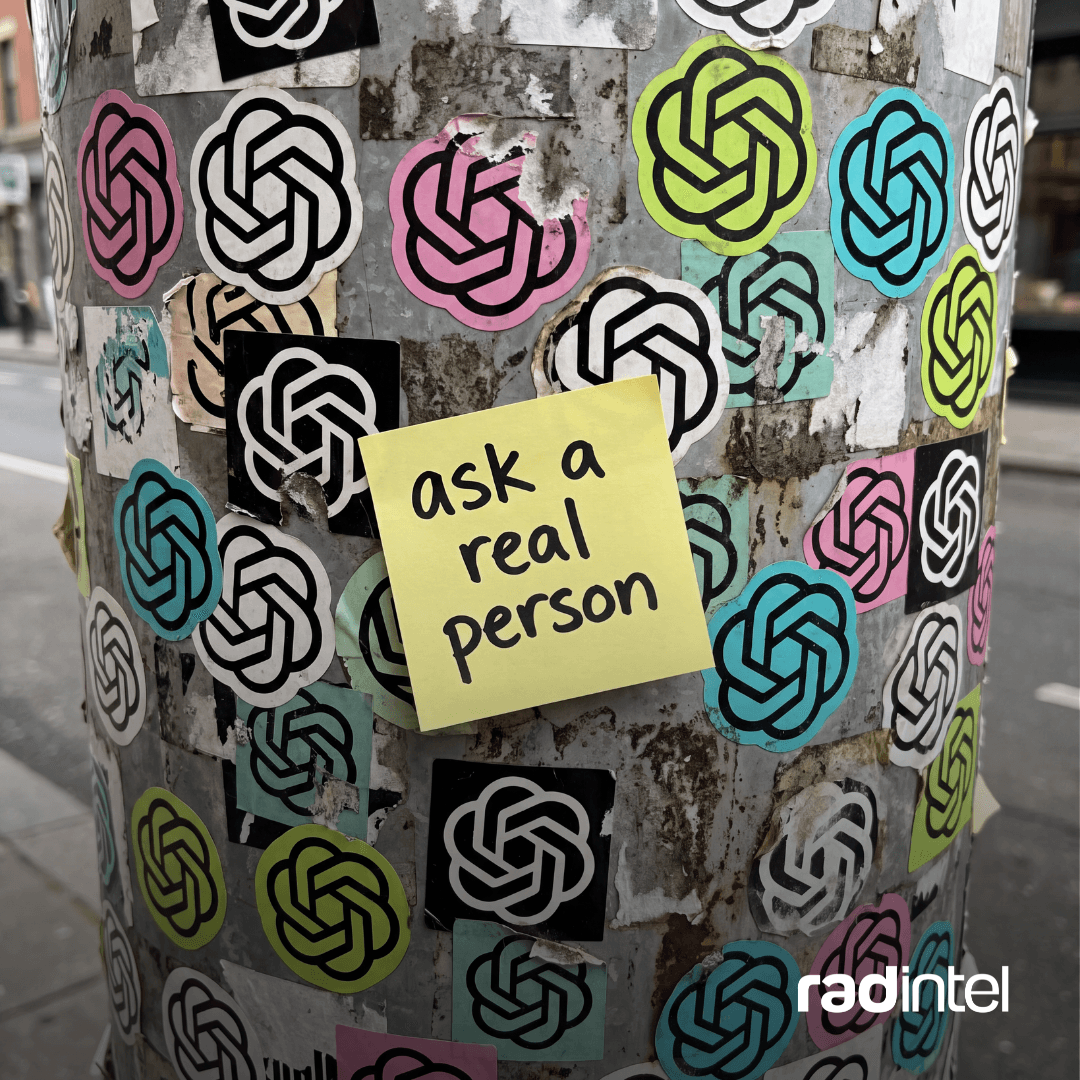
But let’s face it...communities don't work that way. Anyone who has spent time on Reddit knows the difference between someone contributing because they understand the community and someone dropping into a thread because the marketing team told them to. Sometimes it's obvious. Sometimes it's a little harder to spot. Either way, people usually figure it out.

Now platforms are figuring it out, too. When communities become part of the infrastructure feeding AI-generated answers, the incentive to manipulate those communities increases dramatically. Protecting authentic conversation stops being a moderation issue and becomes a business imperative.
Knowing Beats Guessing
It’s a little funny — the same technology that made it easier than ever to participate everywhere is making it more important to participate in the right places.
For marketers, this changes the strategy. Showing up everywhere isn't nearly as valuable as showing up where your brand actually belongs.
That's where audience intelligence earns its keep. If you already understand which communities genuinely overlap with your brand, what they care about, how they talk, and who they trust, there's far less incentive to manufacture relevance later. You don't need AI to flood a subreddit with comments because you've already identified the places where your brand has a legitimate reason to participate.
Distribution Looks Different Now
Platforms are becoming better at identifying coordinated behavior. Communities are becoming more protective of authenticity. AI search is making trusted conversations more valuable than ever.
None of that means brands should stop using AI. It means AI works best when it's helping execute a strategy that's already grounded in real audience understanding.
At RAD Intel, we've always believed audience intelligence starts long before a campaign goes live. Understanding who you're trying to reach, how communities behave, and where your brand has earned the right to participate protects your credibility every bit as much as it improves your marketing.
Yes — platforms will change, AI will change, and distribution will keep evolving. But the best distribution strategies still begin with understanding the audience.