
Ask ten people what the World Cup is about and you'll get the same answer ten times: football. Ask the people actually walking through host cities right now, and the answer gets less tidy.
It's flags hung in windows that weren't there last month. Strangers greeting each other like old friends because they're wearing the same colors. Entire neighborhoods, for a few weeks, becoming home to communities that have traveled thousands of miles to find each other.
Most people watching from the outside see a sporting event. Cities see tourism dollars. Brands see a marketing window. Sure, that’s all true, but that's also only part of the story. Underneath it all, people are organizing around shared identity and belonging.
An Audience With a Story to Tell
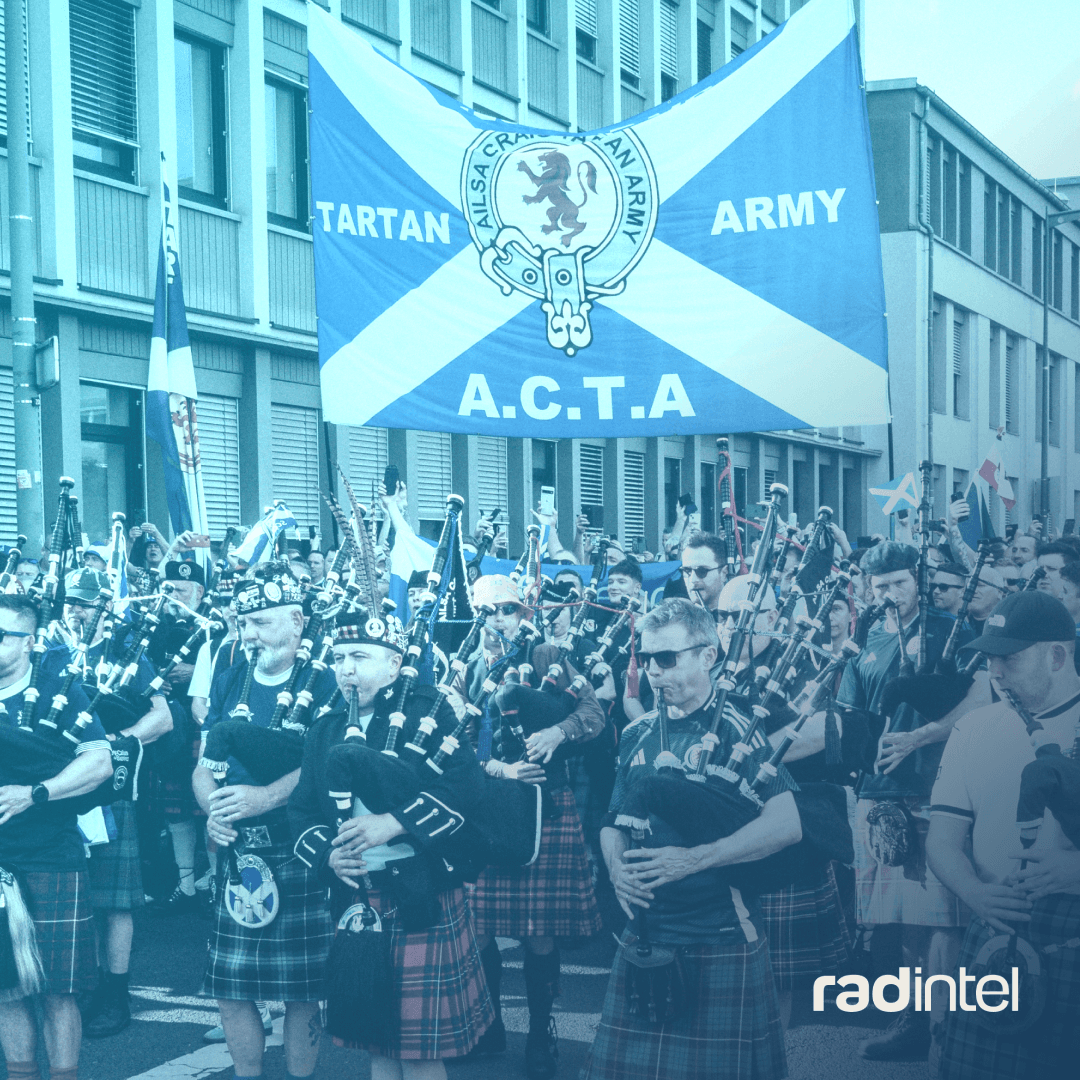
Scotland alone has sent somewhere between 20,000 and 40,000 supporters to this tournament. Within that wave, one audience segment we've identified through RAD Intel's platform is a smaller, especially high-signal group we lovingly call the Tartan Travelers: socially active Scotland supporters who build trips around major tournaments, and whose behavior online makes their motivations unusually visible.
They care about Scotland's performance (obviously). But the tournament experience extends well past ninety minutes on a pitch. They're researching local attractions, looking for music, food, and cultural experiences, documenting the trip in real time, and looking for places where fellow Scotland supporters are already gathering.
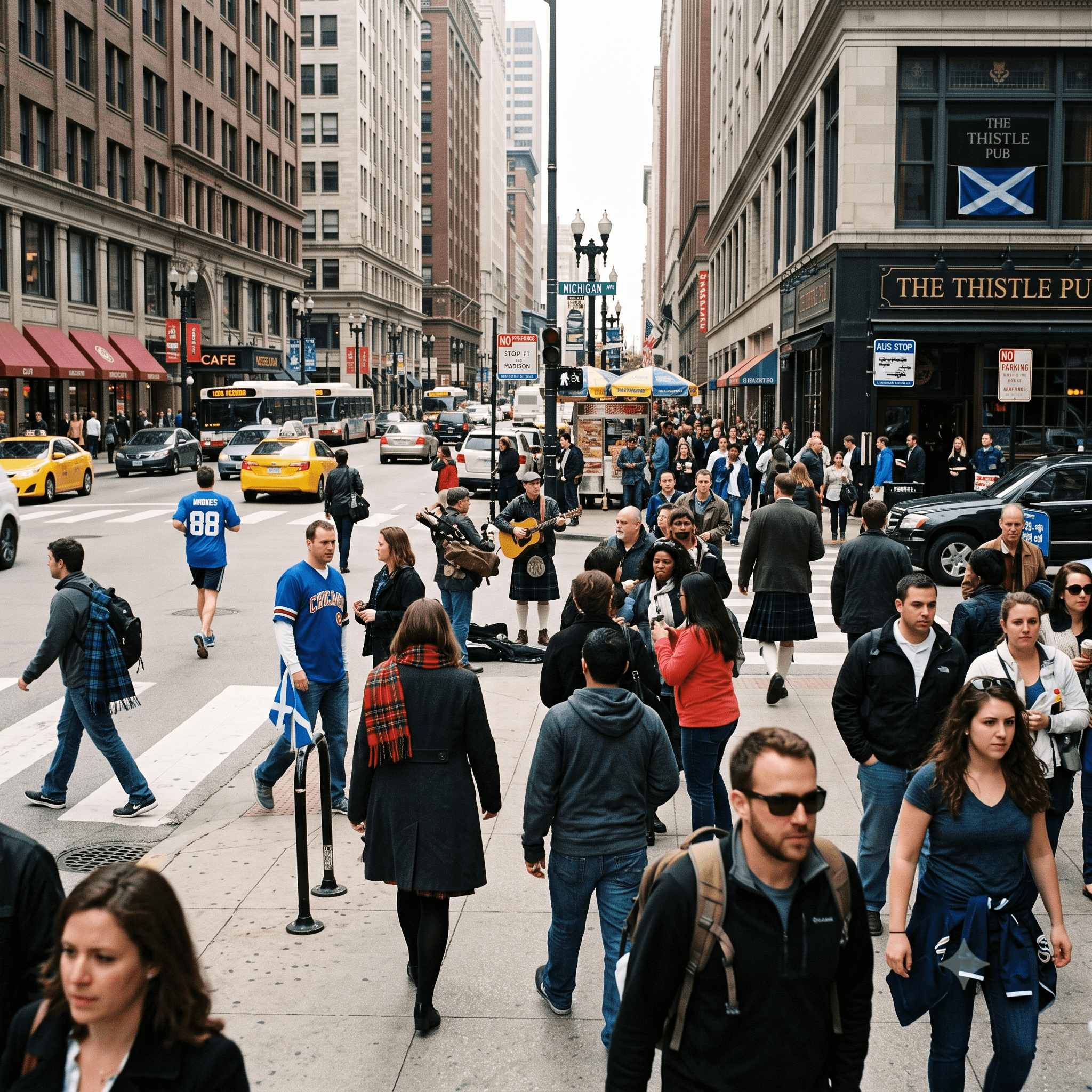
In fact, some of the clearest behavioral signals involve searching for Scottish pubs hosting watch parties, following Tartan Army gatherings, and engaging with content of Scotland supporters featuring American cities. The pattern is remarkably consistent. They're actively seeking spaces where being surrounded by fellow supporters is part of the experience.
Most brands treat tournament audiences as though football is the only thing they care about. The Tartan Travelers reveal a different way to think about tournament audiences. They show up for the match and stay for the food, the city, the people, and the version of the trip they'll tell stories about long after the tournament ends.
Looking Closer Pays Off
The Tartan Travelers are a small slice even within Scotland's own World Cup turnout — likely a few thousand people inside a wave of 20,000 to 40,000. By mass-marketing standards, a segment that size is easy to write off in favor of the bigger number.
And that would be a big mistake. Niche audiences often reveal motivation more clearly than larger ones, because their participation is driven by passion rather than convenience. The performance data backs this up: compared to baseline audiences, this segment shows higher engagement, stronger click-through performance, lower acquisition costs, and greater lifetime value potential.
When a community is this connected, engagement travels through the group faster because people are reacting to something they already care about.
That's part of what makes communities like this disproportionately valuable despite their size.
The Difference Is in the Details
Now this is where it gets useful for anyone trying to actually reach this audience, rather than just understand it.
The instinct is usually to go bigger — more signage, more ads, more reminders that the World Cup is happening. But the Tartan Travelers don't need a louder reminder. They've already been planning for months around this event. What they're looking for is recognition, and the data points toward specifics, not vague "cultural moments."
Tartan — the literal pattern, the actual colors — shows up constantly in how this audience signals belonging, so a venue draping a few yards of it over a bar does more than a generic "welcome World Cup fans" banner ever will. Bagpipe and fan-chant content over-indexes heavily, making the soundtrack another cue that supporters are in the right place. Even small, specific details — a whisky pour, a nod to Scottish slang on a chalkboard menu, a flag in the window facing the street instead of tucked behind the bar — read as “we see you” rather than “your game is on sometime today.”
None of this requires a brand to manufacture culture from scratch. The supporters already bring it. The opportunity is building a space that meets it halfway instead of assuming a flatscreen and a drink special covers the job. And the same logic extends well past Scotland. Swap the tartan for a different flag, the bagpipes for a different anthem, and the same principle holds for every supporter base passing through.
Why RAD Intel Is Watching This
The World Cup creates a rare moment where millions of people openly show what matters to them through where they gather, what they share, and how they spend their time. Those behaviors are usually much harder to observe at this scale.
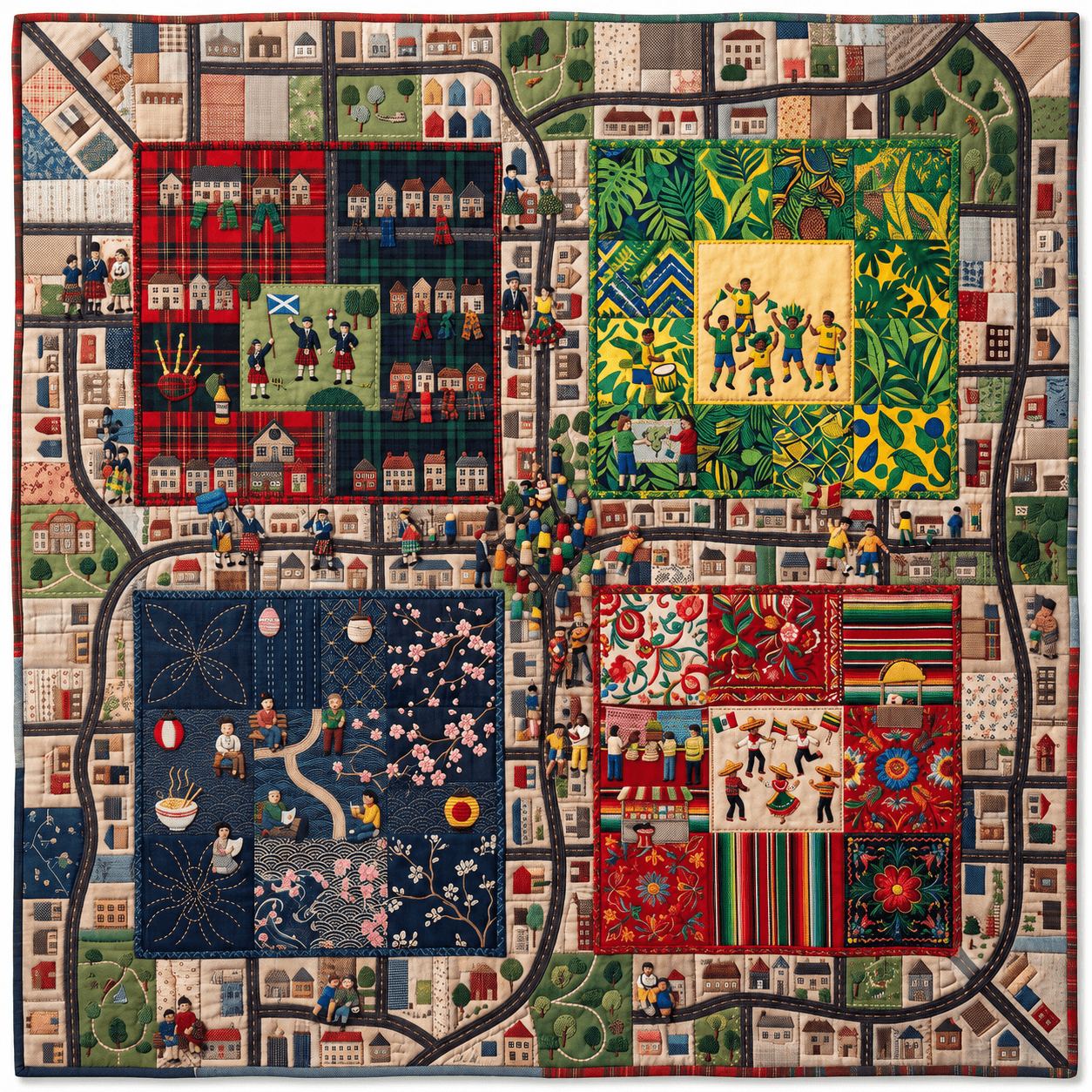
The Tartan Travelers are one slice of Scotland’s supporters. Every country in this tournament brings its own version — its own community nested inside the larger one, its own signals, its own reasons for showing up beyond the scoreline. Together, the tournament starts looking like a collection of overlapping communities, each experiencing the same cities in its own way.
At RAD Intel, we spend a lot of time looking for moments like this, where people stop telling us who they are and start showing us. Thanks to the World Cup, those moments are becoming especially visible.