
Levi’s launched its holiday campaign this month with a 60-second claymation film that took four hours of filming for every second of finished animation. The characters, sets, and miniature versions of the clothing were made by hand, and the brand says no AI was used in the filming process.
Levi’s is not the only major brand embracing handmade advertising this holiday season. E.l.f. says it created its first holiday campaign entirely through handmade stop-motion animation, while Prada paired photography with hand-drawn illustration and animation for its holiday campaign.
At RAD Intel, we build AI for marketers, so a holiday season full of brands advertising what they didn’t use AI for is something we pay close attention to. It would be easy to read this as people being tired of AI. But when several major brands make the same creative choice at once, handmade production could become a recognizable style of its own, and stop being what makes the work stand out.
Handmade Is Becoming a Message
Levi’s is making the production process part of the story. Its campaign calls back to “Clayman,” a 1995 commercial that Levi’s says was its first global ad and the first full-length commercial filmed entirely in claymation.
E.l.f. is using the process differently, but it’s still drawing attention to the fact that people made it. The brand describes individually sculpted characters, miniature sets, and a production team creating each frame through traditional stop-motion animation.
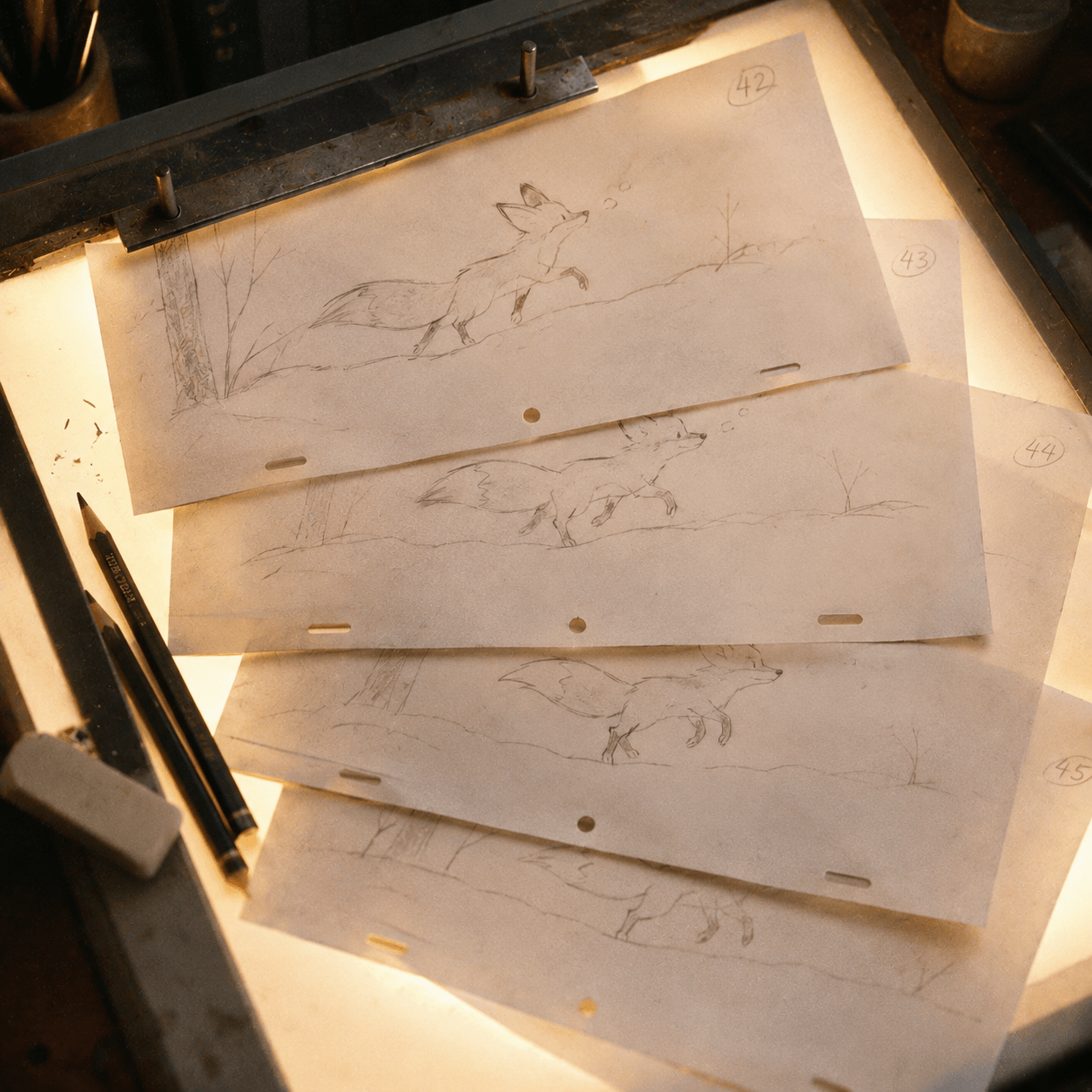
Prada takes a similar approach, using hand-drawn illustration as the central creative device and connecting it to human feeling, storytelling, and the brand’s history of craftsmanship.
Three different brands arrived at a similar creative cue. The handmade process is becoming part of the appeal, not just how the campaign gets made.
When Difference Becomes Convention
Marketing tends to absorb whatever earns attention. Once one creative choice feels fresh, other brands experiment with their own version until the thing that looked unusual starts to look familiar. As handmade creative becomes more common, marketers may need to reconsider what the technique can communicate on its own.
A stop-motion campaign might initially stand apart from a feed full of polished, AI-generated content. If several brands begin using stop motion, hand-drawn animation, and visible craft for the same reason, audiences eventually learn to recognize the pattern.
At that point, “made by people” starts behaving more like a positioning claim. Brands need something more specific behind it than the fact that a human touched the work.
Levi’s has an advantage here because claymation belongs to its own advertising history. The 2026 campaign doesn’t simply use an old production technique because analog creative happens to feel timely. It reconnects that technique to a campaign the brand ran more than 30 years ago.
E.l.f. connects its handmade production to individuality, using characters that are intentionally different from one another and positioning the imperfections of physical craft alongside its message about self-expression. Prada connects the same broad creative movement to fashion craftsmanship and traditional illustration.
Once several brands are using similar production methods, what the method means for that particular brand becomes more important.
Does Handmade Advertising Resonate With Your Audience?
Marketers can see that handmade advertising is becoming more common, but that doesn’t tell them whether their audience notices the difference or cares about it.
One community may respond strongly to nostalgia and traditional craft. Another may care more about experimentation with new technology, while another might barely notice how the campaign was produced if the story itself doesn’t interest them.
Looking at the behaviors, interests, and cultural patterns of specific audiences can help marketers understand whether handmade production carries meaning for the people they want to reach, or whether another approach would resonate more strongly.
The same attention can also show when a supposedly distinctive idea is becoming common inside a category. If several competitors begin using the same visual language, marketers have a reason to look somewhere else before producing another version of it.
Levi’s, e.l.f., and Prada are each using handmade production in ways that make sense for their own campaigns. Their timing also shows how quickly a creative reaction can become a recognizable pattern across brands.
As AI-generated content becomes more common, telling people something was made by hand may continue to carry value. That value will depend on whether the audience cares about the distinction and whether the brand has a credible reason for making it part of the story.
Clay, pencils, and paint offer plenty of creative possibilities. Whether they make a campaign distinctive depends on what the brand does with them.