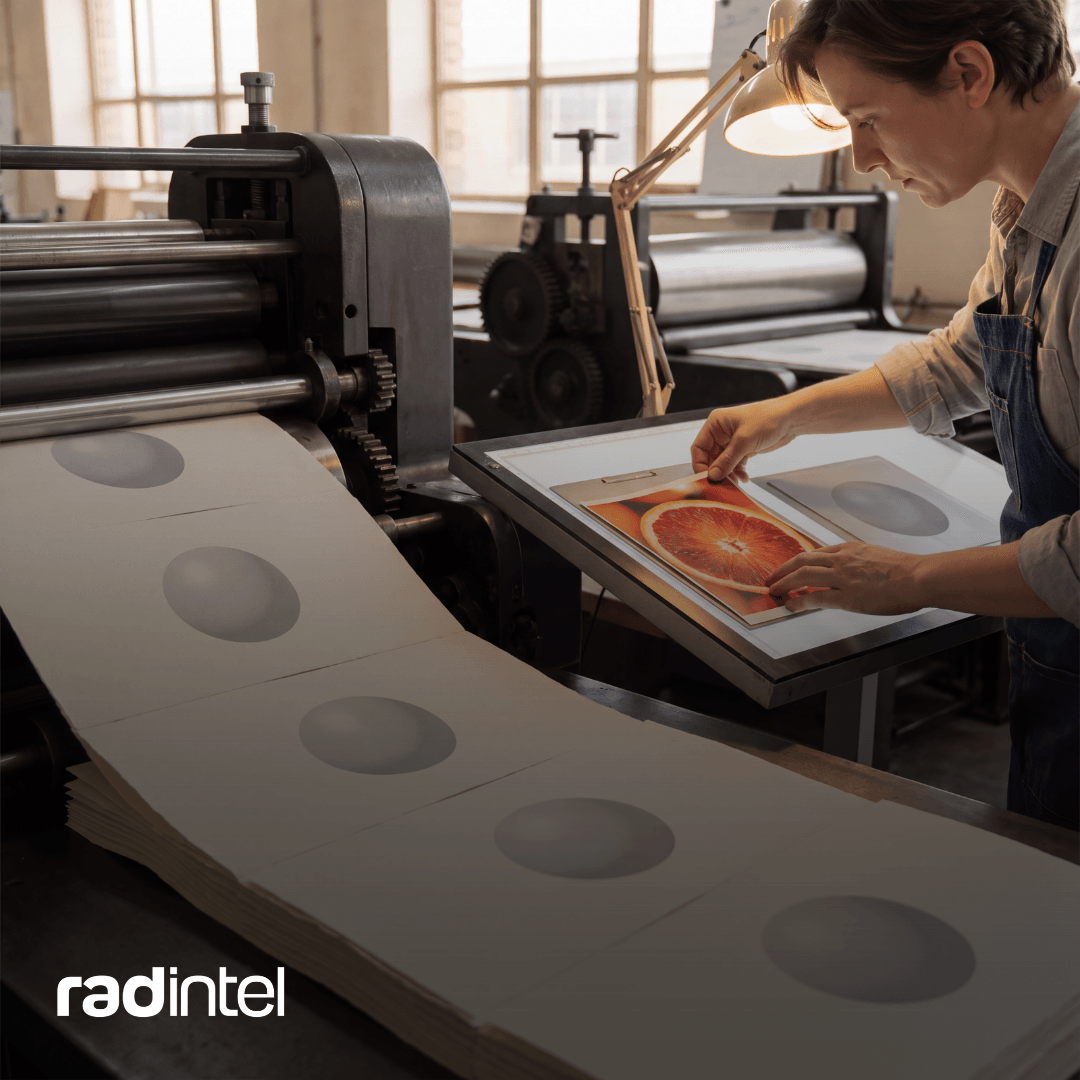

As AI makes polished content easier to produce, brands have a new reason to show the people behind their work.
Behind-the-scenes marketing gives audiences a look at how a campaign comes together, from the people involved to the decisions made along the way. It can reveal the skill behind the finished work and give people another way to connect with the brand.
AI gives creative teams more ways to experiment, produce, and bring ambitious ideas to life. Showing the people and decisions behind that work gives audiences another reason to engage with the finished result.
Apple Made the Process Part of the Campaign
Apple’s 2025 holiday film, A Critter Carol, featured handmade woodland puppets using an iPhone 17 Pro they found in the forest to film a performance.
Apple also released behind-the-scenes footage showing the puppeteers, physical sets, and production techniques used to create the film. The advertisement demonstrated the iPhone’s camera capabilities. The additional footage gave audiences another reason to care by showing the people who brought the idea to life.
Apple took a similar approach with its updated Apple TV intro. The five-second sequence could easily be mistaken for digital animation. Instead, the team created large glass versions of the logo and used physical movement, changing light, and in-camera effects to produce its colorful reflections.
Once again, the production process became part of the story. A few seconds of finished footage produced an entirely separate piece of content about the precision required to make it. By documenting the process, Apple extended the life of each campaign and gave people another way to experience the work.
Why Behind-the-Scenes Content Connects With Audiences
At RAD Intel, we often create behind-the-scenes videos from the events our teams attend. Instead of publishing only polished photos of everyone smiling at the camera, we show our teams in action. People see the conversations, personalities, and candid moments that make the organization feel human. Behind-the-scenes content has become a regular part of our event marketing strategy. It gives us another way to share what happens at these events while introducing audiences to the people doing the work.
The videos are also collaborative. Project managers, videographers, editors, content writers, creators, and team members all contribute to the finished piece. The video may focus on an event, but it reflects the work of many people helping tell the story.
Most recently, we took this approach at ANA Masters of Marketing 2026. The setting changes from event to event, but the reason the content works stays the same. It shows how our team operates and gives audiences a clearer sense of the people behind RAD Intel.
The Business Value of Showing the Work
Showing how work gets made can also pay off commercially. Behind-the-scenes content gives brands more value from the same production investment.
One campaign or event can generate short videos, team profiles, interviews, and stories about the process. When those assets earn organic engagement, they extend the campaign’s reach without requiring an entirely new campaign investment.
Aerie offers a different example of making creative choices part of the marketing. In October 2025, the brand extended its long-running “Aerie Real” positioning, which has banned retouching since 2014, by pledging not to use AI-generated people or bodies in its advertising. Aerie still uses AI for media buying and analytics, but its decision to keep people real became a message worth sharing. The announcement became its most popular Instagram post in a year, and the brand later built a larger campaign featuring Pamela Anderson around that commitment. Aerie CMO Stacey McCormick told Marketing Brew the message was resonating with customers.
Aerie’s approach is specific to its brand positioning. The point is that the choices behind a campaign can be just as interesting as the finished work. Apple and Aerie made their choices visible. Teams that use AI have process stories too, whether that’s testing dozens of concepts with AI before building one by hand or deciding which parts of the work stay human.
Use AI, but Keep People at the Center
Highlighting human craft doesn’t require brands to avoid AI. AI can help teams explore concepts, organize production, accelerate editing, and create visual elements that would otherwise exceed the budget. It can take repetitive work off a team’s plate.
The opportunity for brands is to show how their teams use those capabilities, including the creative decisions, experimentation, and problem-solving involved in bringing an idea to life.
As more companies gain access to the same AI tools, those tools will become less differentiating. Competitors can use the same models and produce something similarly polished. They can’t reproduce the exact people, experience, and judgment behind another company’s work.
AI is changing what creative teams can produce, and there’s more worth showing along the way. The experiments, decisions, and people behind the work can all become part of the campaign itself. Competitors might use the same tools, but they can't tell the same story of how the work got made.