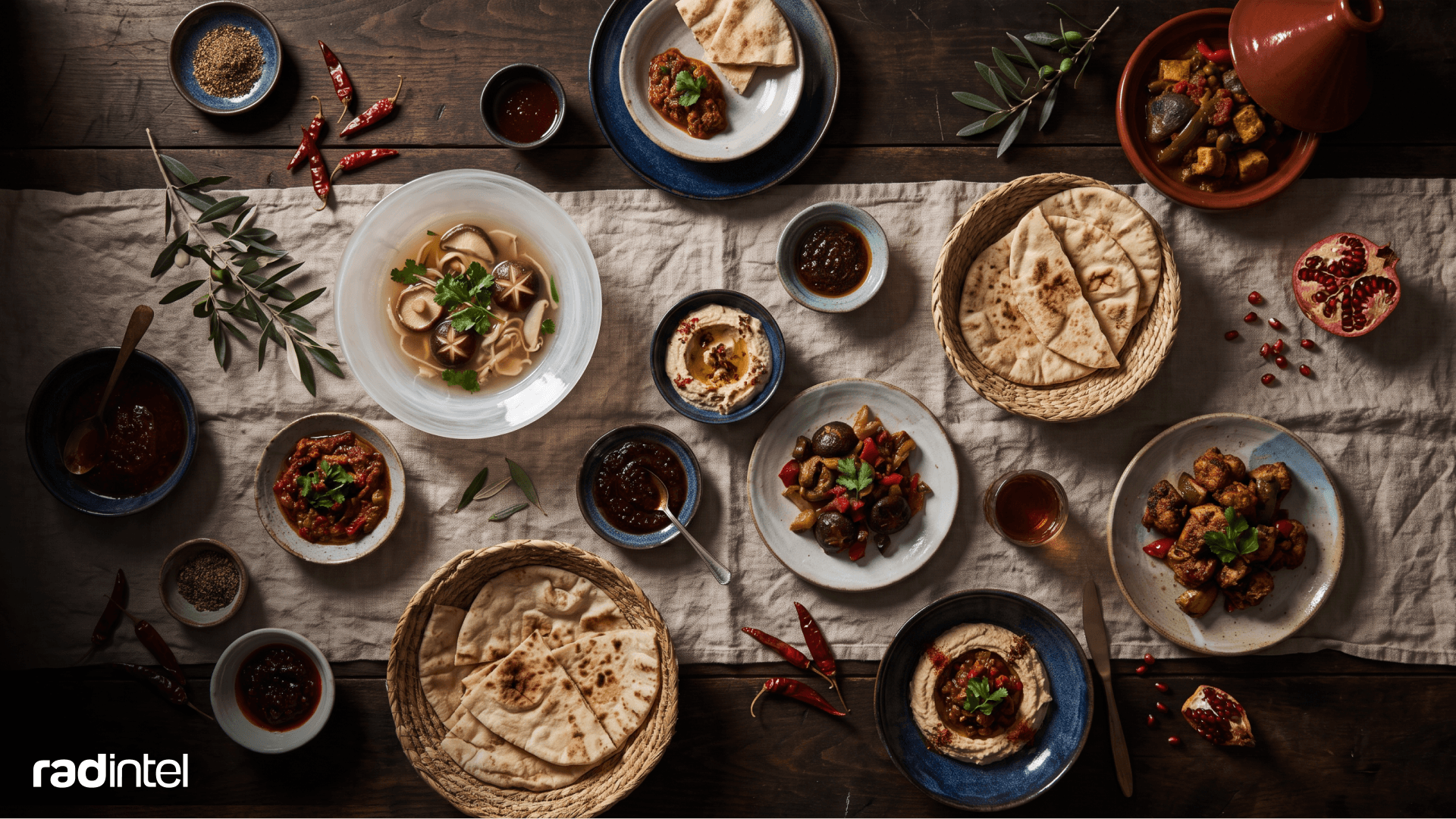

Thanksgiving advertising has apparently decided there's only one way to celebrate the holiday: a golden turkey, a beautifully set table, and a family that's thrilled to spend the afternoon together. Which is impressive, considering how many different ways people actually celebrate it.
Of course, there’s a reason brands keep setting the table. Publix’s 2024 Thanksgiving commercial, Grown Up Table, follows a young boy determined to graduate from the kids’ table, only to discover the promotion isn’t quite what he imagined. It’s warm, funny, and built around a family ritual plenty of people recognize.
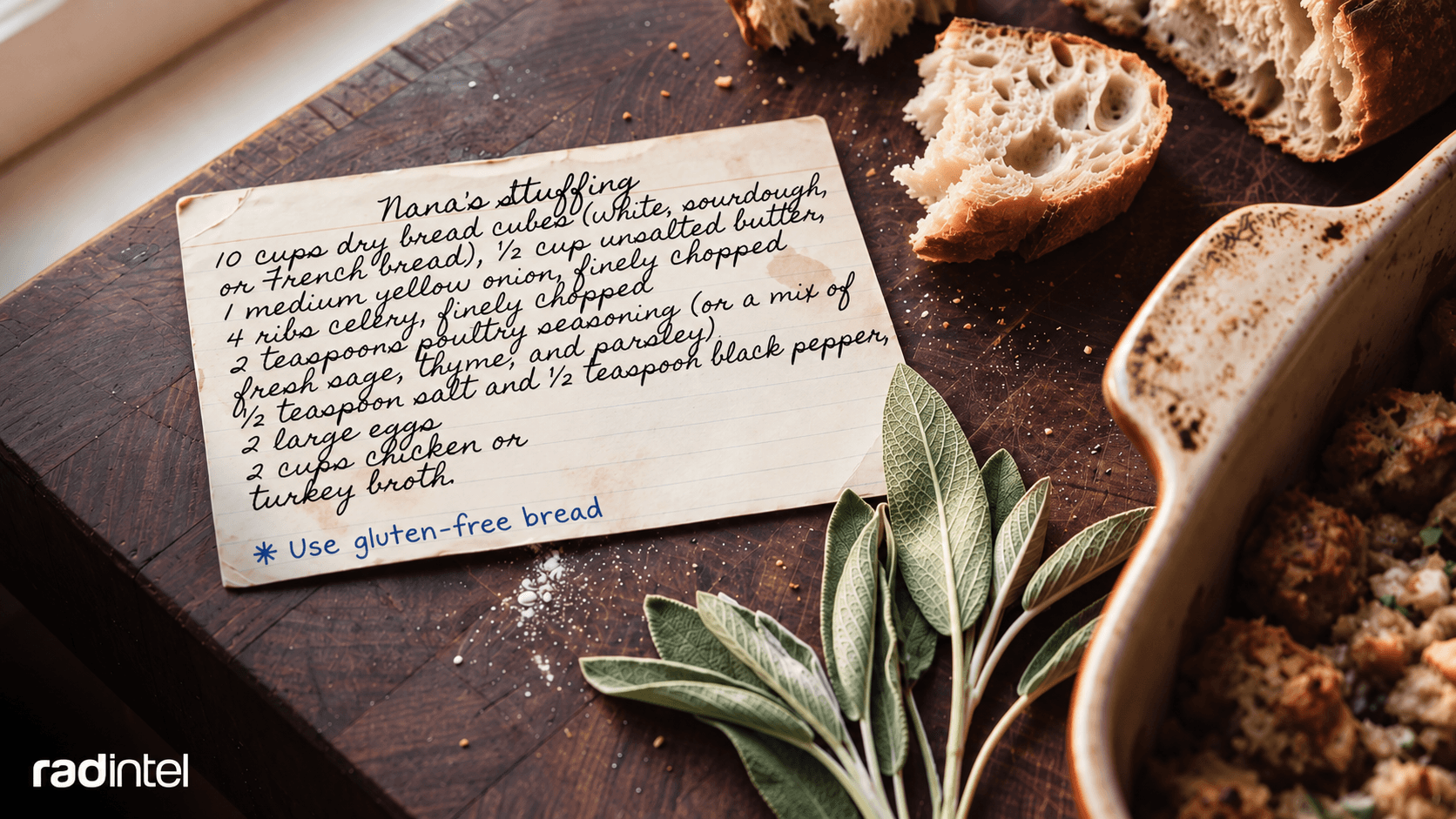
But Thanksgiving begins long before anyone sits down. There’s a group chat negotiating who’s bringing what. Someone is searching for a gluten-free version of a family recipe. Someone else is trying to recreate Grandma’s stuffing with about a third of Grandma’s counter space.
That’s where tradition gets personal. Keeping a holiday familiar often means changing how you celebrate it, whether you’re accommodating a dietary need, hosting for the first time, or making an old recipe work in a new home. Those small decisions reveal what people want to hold on to and what they're willing to change so everyone can take part. There's a whole Thanksgiving story in the effort it takes to get dinner on the table.
For November’s In Good Company issue of RADAR, we used audience intelligence to explore that story. How are people making Thanksgiving their own, and how can brands reflect more of the holiday their audiences actually live?
What We Found Beyond the Turkey
We used Food Network's Thanksgiving entertaining content as a starting point for exploring holiday cooking and hosting audiences in our AI-driven audience intelligence platform. From there, we focused on people interested in preserving familiar traditions while adapting them to different households, preferences, and lifestyles.
Our platform identified several modeled audience segments with distinct behavioral affinities. These segments were generated through an exploratory analysis focused on tradition and adaptation, so they shouldn't be interpreted as a representative breakdown of Thanksgiving audiences.
The figures below indicate how much more likely each modeled audience is to engage in a specific behavior compared with a random comparison group. They describe relative behavioral likelihood, rather than the percentage of Americans participating in an activity.
Recipe Remixers: This audience combines an interest in preserving family recipes with modern cooking techniques. They were 137x more likely to save or share heirloom Thanksgiving recipes and handwritten adaptations, and 148x more likely to search for sous vide Thanksgiving recipes that preserve traditional flavors. Apparently, Grandma's recipe can survive a little experimentation.
Table For Everyone: These planners want to keep familiar dishes on the menu while accommodating different dietary needs. They were 148x more likely to search for gluten-free Thanksgiving stuffing and bread recipes, and 136x more likely to compare dairy-free and vegan alternatives for holiday sides. The goal is familiar food that everyone can enjoy.
Networked Family Kitchens: This audience coordinates Thanksgiving across households and generations. They were 139x more likely to use group chats to assign dishes and share updates, and 148x more likely to create shared Thanksgiving meal spreadsheets. Yes, Thanksgiving spreadsheets.
What struck me was how much of this behavior revolved around keeping Thanksgiving familiar while making it work for the people actually celebrating. The recipes, the gathering, even the menu were recognizable. The work happening around them was where things got interesting.
A family recipe being adapted for a new generation can say just as much about tradition as a perfectly arranged Thanksgiving table. And for marketers, those details offer creative possibilities that holiday advertising doesn't always capture.
Some Brands Are Already Paying Attention
In 2025, Knorr took a decidedly less polished approach to Thanksgiving advertising.
Its Friendsgiving Dinner Do-Over campaign, featuring creator Chloe Shih, celebrated cooking mishaps and the pressure inexperienced hosts feel when preparing a meal for friends. Rather than presenting a flawless holiday spread, Knorr leaned into the possibility that dinner might go wrong.
The campaign built on research Knorr had conducted the previous year for its #EffortIsEverything campaign. In a 2024 survey of 1,000 U.S. Zillennials who cooked at least weekly, 87% reported having more than one cooking fail during a special occasion, while 40% said Friendsgiving was the only time of year they cooked for friends.
Knorr carried those insights into its 2025 campaign, offering recipes, cooking advice, and limited-edition kits designed to help inexperienced hosts recover from kitchen disasters.
A Thanksgiving campaign willing to show dinner going wrong feels pretty relatable. Knorr found humor in the cooking mishaps and hosting challenges its audience could recognize, building on the familiar idea of people connecting over food.
Knorr used a commissioned survey to understand young hosts' cooking experiences. Our platform surfaced related interests through modeled behavioral affinities, including a Friendsgiving Producers segment 128X more likely to search for potluck recipes and appetizer platters. Different methods, similar territory worth exploring. No single data point predicts how an audience will respond to an ad. When two kinds of evidence point toward related experiences, though, there's a creative direction worth testing.
Cultural Intelligence Starts With Understanding Participation
Cultural intelligence in marketing is the ability to understand how people's cultural experiences, values, and practices shape their behavior, then apply that understanding to marketing decisions.
For a holiday like Thanksgiving, it's tempting to start with the symbols everyone recognizes. Turkey, family, gratitude, and a crowded dinner table provide a ready-made creative vocabulary. They're familiar for a reason, although there's plenty about how people celebrate that those images leave out.
A Thanksgiving ad can get every detail right, from the turkey to the crowded table, and still miss something about the people it's trying to reach. There's more room for creativity when marketers pay attention to the parts of the holiday their audience actually recognizes, including the details that rarely make it into advertising.
For Table For Everyone, imagine a Thanksgiving spot centered on the host quietly making sure their gluten-free cousin has stuffing on their plate. The emotional payoff comes from the effort to include someone in a familiar tradition.
For Networked Family Kitchens, the entire campaign could unfold through the family group chat. Dish assignments, last-minute substitutions, and the inevitable confusion over who's bringing dessert become the story of how the gathering comes together.
Both concepts start with behaviors surfaced in our exploration. A marketer could test them with relevant audiences, compare creative engagement and resonance, and learn which experiences are worth developing further.
Audience intelligence helps uncover the behaviors behind those ideas, while marketing decision intelligence helps teams evaluate which creative directions deserve investment.
AI can surface audience patterns that might otherwise go unnoticed, giving creative teams new ideas to explore. Whether those ideas resonate depends on how well marketers understand the cultural context and what they learn when they put the work in front of real people.
The Bigger Story Around the Table
I'll be the first to admit, there's something about a perfectly sentimental Thanksgiving commercial that still gets me. People recognize the gathering, the familiar dishes, and the feeling of being surrounded by people they care about. Those experiences haven't stopped mattering because someone started organizing dinner in a group chat.
And I think there's a boat load of storytelling potential in the details we tend to overlook. For marketers, cultural intelligence offers a way to look beyond the most recognizable version of an occasion and consider the many experiences within it.
The opportunity might be the host making sure everyone can eat. Or perhaps a group of friends attempting their first Thanksgiving dinner together, with decidedly mixed results.
Each offers a different way to tell a story about belonging. And as AI makes it easier to create increasingly specific advertising, understanding those experiences becomes even more important. Audience intelligence gives marketers a place to start looking, and cultural intelligence helps them understand why those experiences matter.
The familiar Thanksgiving table remains a powerful image, no doubt about that. But traditions stay meaningful because people keep finding ways to make them their own. There's a whole holiday happening beyond the perfectly set table. Brands just have to know where to look.