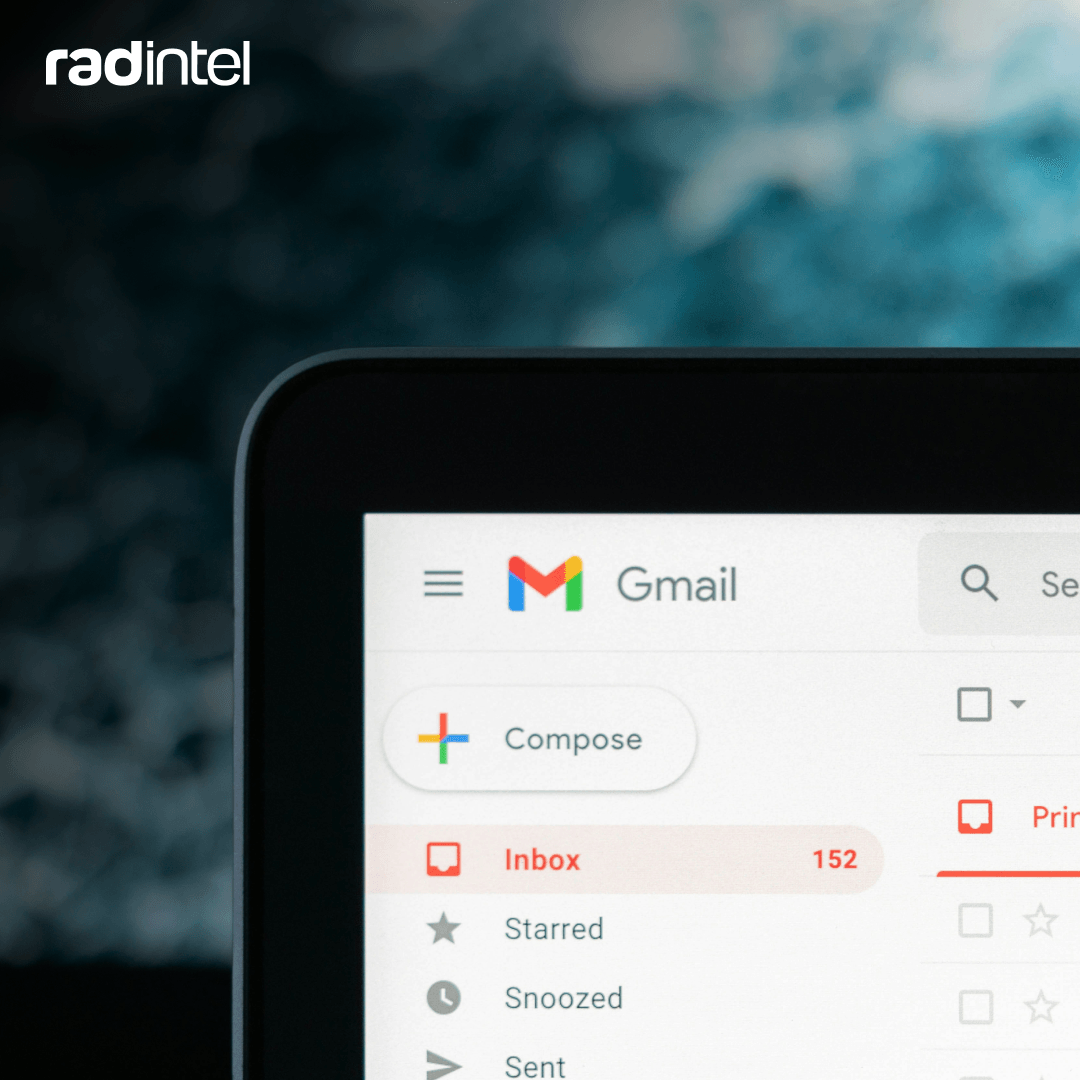

In January, Google announced that Gmail was "entering the Gemini era" and began rolling out an AI Inbox that analysts are calling the most significant shift in the inbox since Gmail introduced tabs in 2013. Instead of a chronological list, it reads a person's mail and rebuilds the inbox around what the AI decides matters: a short set of suggested to-dos and topics worth catching up on, each linked back to the original message.
What matters for marketers is where the AI looks. It only surfaces messages from the Primary tab, not Social or Promotions, and ignores anything a person has marked as spam, archived, or muted. Clearing the spam filter used to be the whole job. Now the real test is whether someone's behavior shows they want to hear from you at all. That already has a cost. As Gmail's AI began summarizing messages, average click-through rates slipped from roughly 4.35 percent to 3.93 percent, as people act on the summary without opening the email.
For marketers, the priority is to start building an audience now. Companies that wait two or three years may find that cold email is no longer a reliable way to reach new people. The ones whose emails are already requested, read, and trusted will be reaching those readers through an AI that has learned to treat them as important. That position only gets stronger the longer it holds.
Gmail’s AI Inbox Is Raising the Bar for Email Marketers
The AI Inbox is the latest change, but Gmail had already begun tightening its requirements for senders.
Companies sending around 5,000 messages a day to personal Gmail accounts must authenticate their email, provide one-click unsubscribe, and keep spam complaints below Google's limits. In November 2025, Gmail moved from warning non-compliant senders to acting on them, with messages that fail its requirements now facing temporary or permanent rejection at the server level rather than being filtered into spam. The grace period that began in early 2024 is over.
Gmail has also made it easier for people to cut senders loose. Its Manage Subscriptions view shows users their most frequent senders and lets them unsubscribe in a single click.
Google isn’t banning cold email. But it is making permission, reputation, and recipient behavior the things that decide whether a message lands. Its own guidance tells companies not to buy email addresses or contact people who never asked to hear from them, and notes that mail from addresses already in a recipient's contacts is less likely to be flagged as spam. As AI makes mass outreach trivial to produce, those signals only grow more decisive. The AI Inbox rewards senders a person already engages with. The advantage shifts to marketers with real audience intelligence: a clear read on who their readers are and what actually holds their attention.

A Newsletter Is a Long-Term Relationship
A newsletter gives people a reason to choose to hear from a company on a regular basis. When the content is useful, readers gradually learn what the company knows, how it thinks, and why it's worth their time.
That familiarity is something a cold email cannot manufacture in a single message. It also has value well beyond immediate clicks or sales. When the company launches a product, announces something important, or enters a new market, it’s speaking to people who already recognize the brand and, increasingly, to an AI that has already learned to route that brand into Primary.
The catch is that the relationship takes time. A company can’t wait until it needs an audience and expect one to materialize on demand.
The Newsletter Has to Be Worth Reading
Starting a newsletter and building an audience are two different projects.
Readers need something they would genuinely miss if it stopped arriving, whether that's original research, clear analysis, practical advice, or access to people with useful experience. And it can’t surface only when the company has something to sell. The value has to be consistent enough that people keep choosing to receive it, which is the same behavior the AI Inbox reads as a signal of importance.
In practice that means publishing at a sustainable pace, paying attention to what readers respond to, and letting go of people who have stopped engaging. A smaller group of active readers does more for you than a large list that ignores every send. Under the new inbox, it does more for how the AI treats you, too.
Build the Audience Before You Need It
In the coming years, nearly every company will be able to produce and send email at scale. Getting those emails seen is the part that gets harder, because an AI is now deciding who is worth surfacing by watching how people behave.
RAD Intel is built around understanding who an audience actually is and what it genuinely responds to. Gmail's inbox is making that understanding increasingly important for deliverability. The AI now surfaces senders an audience has shown, through its own behavior, that it wants. That signal can't be bought at the moment you need it. It accrues through real engagement over time, and it compounds. The more consistently a reader engages with you, the more evidence Gmail has that your messages are relevant to them. A rented list carries none of that history. An audience you've earned carries that with it as the inbox gets smarter.
So use the current window to build one. By the time stricter filters and an AI-mediated inbox make cold outreach far less effective, recreating that relationship from scratch may no longer be possible.