
AI voice dictation is one of the biggest productivity unlocks I’ve found. For the past few months, I’ve used Wispr Flow to write emails, Slack messages, meeting notes, drafts, and AI prompts. I hold Fn and speak through the whole idea, and Flow turns it into readable text in the app I’m using.
For the record, I'm not being paid by Wispr Flow, and this isn't a sponsored post.
Speed is part of it. In a controlled mobile study from Stanford researchers, English speech input was three times faster than a miniature smartphone keyboard. That result doesn’t measure all computer work, but it illustrates the potential.
Context matters just as much. I’ve found that speaking makes it easier to include background, constraints, examples, and caveats in one pass. Those details give AI more to work with and can save the back-and-forth of explaining what was missing.
Wispr Flow isn't the only tool doing this. Superwhisper, Willow Voice, and Aqua Voice offer their own combinations of dictation and AI cleanup, with different features and pricing.
Software Is Learning to Take Direction
Across software, more tasks start with a plain-language instruction. In Figma Make, a designer can describe an idea and turn it into an interactive prototype. Adobe Firefly can generate editable vector graphics from a prompt. Developers can tell OpenAI Codex what code to change. ChatGPT’s desktop Voice experience lets people speak to start tasks and check on work with agents.
These tools still rely heavily on typed prompts, but they reflect a broader change in how people interact with software. Instead of navigating every step manually, users can describe what they want and review the result. Voice dictation makes that process more conversational.
Why Marketers Should Care
A useful campaign brief needs to explain the audience, offer, message, constraints, and goal. It’s often faster to talk through that context than type it from scratch. I can dictate the thinking, ask AI to structure it, and get a brief or creative direction to react to.
A more complete first draft gives the team something useful to evaluate sooner. They can spend less time filling in missing details and more time deciding whether the idea is right for the audience, on brand, and worth testing. Just keep in mind that briefs often include confidential details, so check how your dictation tool handles data before using it for client or launch work.
Keyboards Are Changing
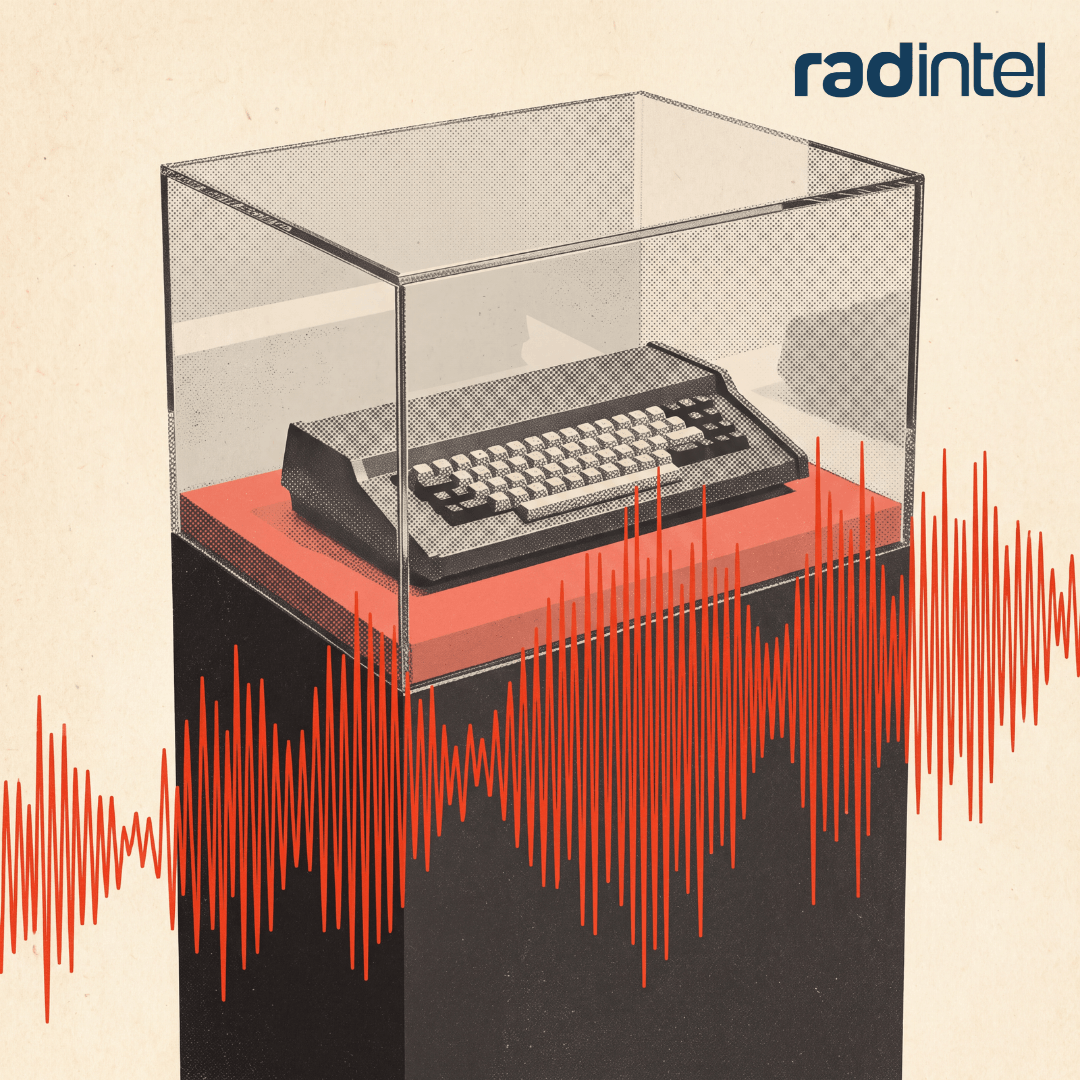
The hardware is adapting, too. OpenAI’s Codex Micro, built with Work Louder, looks like a small keyboard but has no familiar QWERTY letter layout, and it’s designed to sit beside a regular keyboard rather than replace it. Its keys show agent status or trigger common actions, while a joystick launches workflows and a dial adjusts Codex’s reasoning level. A push-to-talk key captures spoken instructions. It’s closer to a control panel for AI work than a device for typing paragraphs. That suggests keyboards could play a different role, with less time spent entering every word and more time spent starting, monitoring, and steering software.
I don't think keyboards are going extinct. I think they're losing their place as the default starting point.
Voice gives me a faster way to get a whole idea into a tool, while the keyboard remains useful for editing, precision, and control. As AI becomes part of everyday software, speaking may become just as natural as typing.