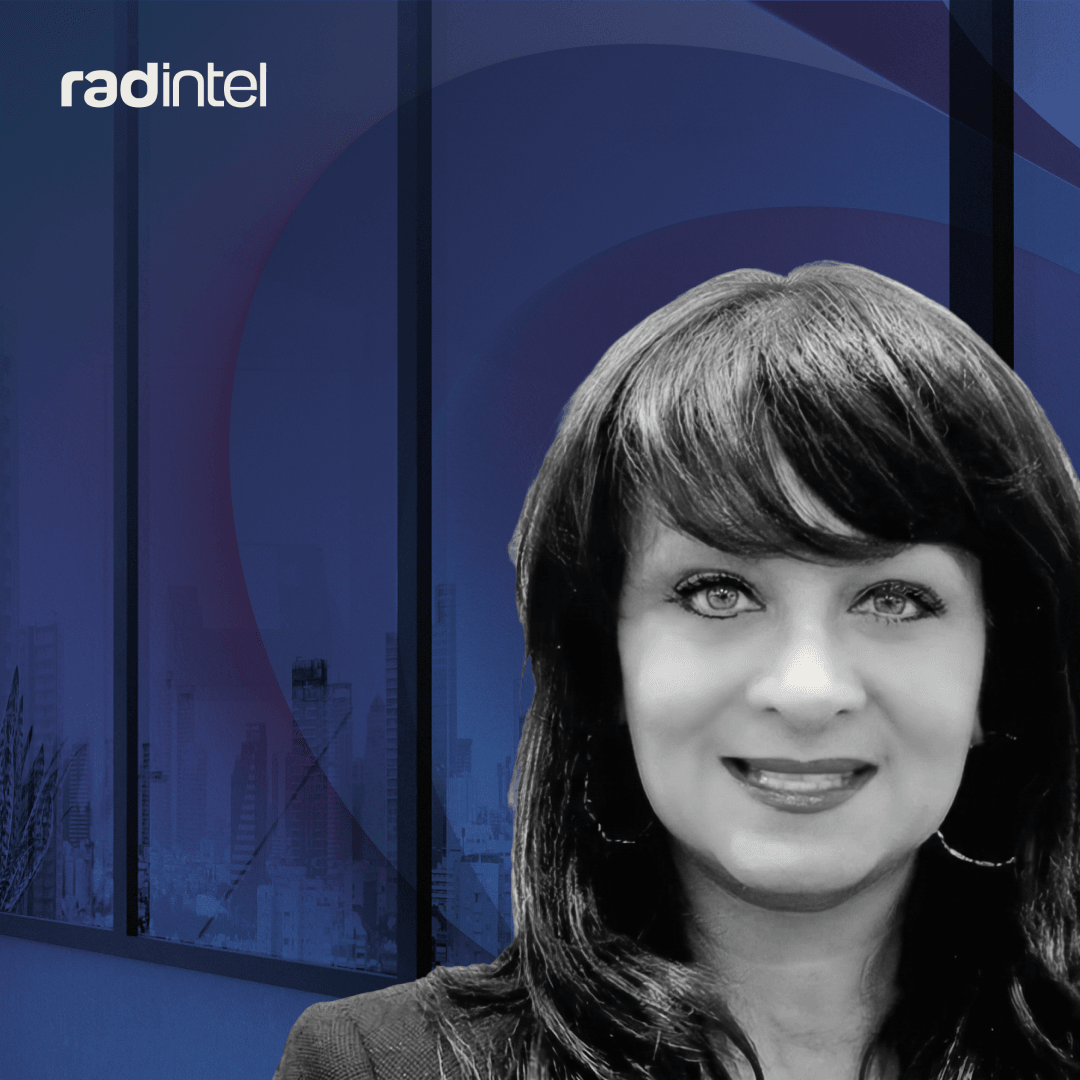

Today marks an exciting milestone for Lickly as Nita Patel officially joins the company as Chief Marketing Officer ahead of its public launch later this fall.
She joins the company at a time when creator marketing is changing quickly. As more investment moves into the category, marketing teams are under increasing pressure to make better decisions before campaigns ever launch.
To go beyond the announcement, I asked Nita why Lickly starts with the audience instead of the creator, what it means to "build Lickly with Lickly," and why she believes the biggest creator marketing decisions happen long before a campaign goes live.
Nita, congratulations on the new role. For people who don't know you yet, how would you describe what you're walking into?
Nita: Thank you. I'd describe it as walking into a category that's growing incredibly fast, but where many of the systems marketers rely on were built for an earlier version of the industry. They helped brands discover creators, but they weren't designed to help teams make consistently better decisions as creator programs scaled.
It's an exciting moment because creator marketing is evolving, and the tools brands rely on have to evolve with it.
What made you want to join Lickly?
Nita: I've spent much of my career bringing new technologies to market. What drew me to Lickly was the shift in thinking behind it, not just the technology.
Most platforms help brands find creators. Lickly starts by helping brands understand audiences. That changes the conversation from who's available to who can actually influence the people a brand needs to reach. I believe that's where creator marketing is headed, and I wanted to be part of building that future.
You’ve said you’re going to use Lickly to market Lickly. Why take that approach instead of just running a more traditional launch?
Nita: Because if audience-first intelligence is going to be our pitch to brands, it can't just be a slide in a deck. It has to be how we actually operate. As we build toward our public launch this fall, every decision we make about our own audience, creator selection and campaigns becomes a live test of the model.
If it doesn't hold up when we use it ourselves, it has no business being sold to anyone else.
You've said before that "a list of influencers is still just a list." What do you mean by that, and why does it matter so much right now?
Nita: Finding creators isn't the hard part anymore. Understanding which audiences are actually ready to move — and which creators have earned real credibility with them — is where the challenge begins.
Brands confuse access with intelligence. They can build a list of potential creators, but that doesn't tell them who they should work with or why a campaign is likely to perform. The real opportunity is understanding which communities matter, what motivates them and who genuinely influences their decisions. That's the question brands are starting to ask, and it's the one we built Lickly to answer.
You’ve talked a lot about starting with the audience instead of the creator. Can you unpack that distinction for people who are used to thinking creator-first?
Nita: Most platforms start with a database of creators and work backward. They look for someone with the right follower count or content niche, then hope that person's audience overlaps with the audience the brand wants to reach.
We flip that process. We start by understanding the audience a brand actually needs to influence: what they care about, where they're paying attention and what already resonates with them. Once you know that, creator selection becomes a much more precise decision instead of a guess.
That's especially important as more investment moves toward nano and micro creators, where the real value comes from trust inside highly specific communities. Relevance is the strategy.
You often say the most important campaign decisions happen before launch. Why is that becoming so important?
Nita: Because it's far cheaper to make the right decision upfront than to spend your way out of the wrong one.
We think about Lickly as a decision-making platform. Our goal isn't to help brands move through more creators faster. It's to help them make stronger decisions before budget gets committed, then learn from every campaign they run.
That's also how we think about self-serve. Self-serve only works if every campaign makes the next one smarter. Otherwise you're just giving people a faster way to repeat the same mistakes.
You've spent more than 20 years building marketing teams. What excites you about starting one from scratch at Lickly?
Nita: Building a team from the ground up is one of the most rewarding parts of the job because you get to create the culture alongside the company.
We're already starting to bring that team together, and one of the things I'm most excited about is welcoming Sydney as our marketing intern. Moments like that are exciting because they remind you you're creating something that's still taking shape, including the team that's going to bring it to life.
As we prepare for launch, we're bringing together people who are curious, collaborative and willing to challenge assumptions. That's just as important as building great technology.
Last question. As Lickly heads toward its public launch this fall, what do you want brands and agencies to understand before they even talk to you?
Nita: I want them to understand that creator marketing doesn't have to feel like a bet. Too many teams buy creator access first and hope the intelligence catches up later, usually through a report explaining what already happened. We want to flip that timeline by putting intelligence before the spend, not after it.
If we do our job right, brands and agencies will know more before they invest, learn more after every campaign and make stronger decisions every time they come back into the platform.
You can read the full press release announcing Nita Patel's appointment as Lickly's Chief Marketing Officer here.